Why choose EN ISO 11612 clothing for your teams?
What is the EN ISO 11612 standard?
The EN ISO 11612 standard defines the requirements that any protective garment against heat and flames used in a professional environment must meet. It applies to industries where workers are exposed to high temperatures, direct flames, radiant heat, or molten metal projections. Wearing EN ISO 11612 certified clothing means guaranteeing your teams measured, traceable protection that complies with European PPE regulations.
Let us recall an essential distinction: EN ISO 11612 certified garments are flame retardants in the sense of absolute protection against flames. Their role is to slow the spread of fire on the garment and limit burns during an evacuation. This clarification is important to properly calibrate expectations and protection levels according to workstations.
What types of performance does the EN ISO 11612 standard evaluate?
The EN ISO 11612 standard evaluates garments on several types of thermal exposure, each identified by a letter code followed by a level index. A certified garment displays on its label the codes corresponding to the tests it has successfully passed. These codes allow for objective comparison of two garments and selection of the one that matches the risks identified at the workstation.
- Code A: resistance to flame spread, mandatory for all EN ISO 11612 certification
- Code B: protection against convective heat, transmitted by a hot air flow
- Code C: protection against radiant heat, emitted by a distant source
- Code D: resistance to small molten metal projections, typical of welding
- Code E: resistance to large molten metal projections, in foundry work
- Code F: protection against contact heat from a hot surface
Thermal risks that justify wearing EN ISO 11612 clothing
How to identify heat sources in a professional environment?
The environments that justify wearing EN ISO 11612 clothing are numerous and varied. Welding and boilermaking expose operators to projections, sparks, and intense radiant heat. The metallurgy and foundry industries involve handling molten metal at extreme temperatures. The energy sectors (thermal power plants, nuclear) or the chemical industry can expose technicians to deflagration or thermal flash risks. In each of these contexts, appropriate EN ISO 11612 clothing is a regulatory requirement and a safety imperative.
What are the consequences of inadequate thermal protection?
A worker exposed to thermal risks without appropriate protective clothing faces serious and irreversible consequences. Second and third-degree burns are the most common accidents in these environments. They can require lengthy hospitalisations and skin grafts, and leave permanent after-effects. For employers, the absence of compliant PPE engages their civil and criminal liability. An EN ISO 11612 certified garment is therefore both a protection for the employee and a legal obligation for the company.
A complete range of EN ISO 11612 clothing by Cepovett Safety
Garments adapted to each use and each part of the body
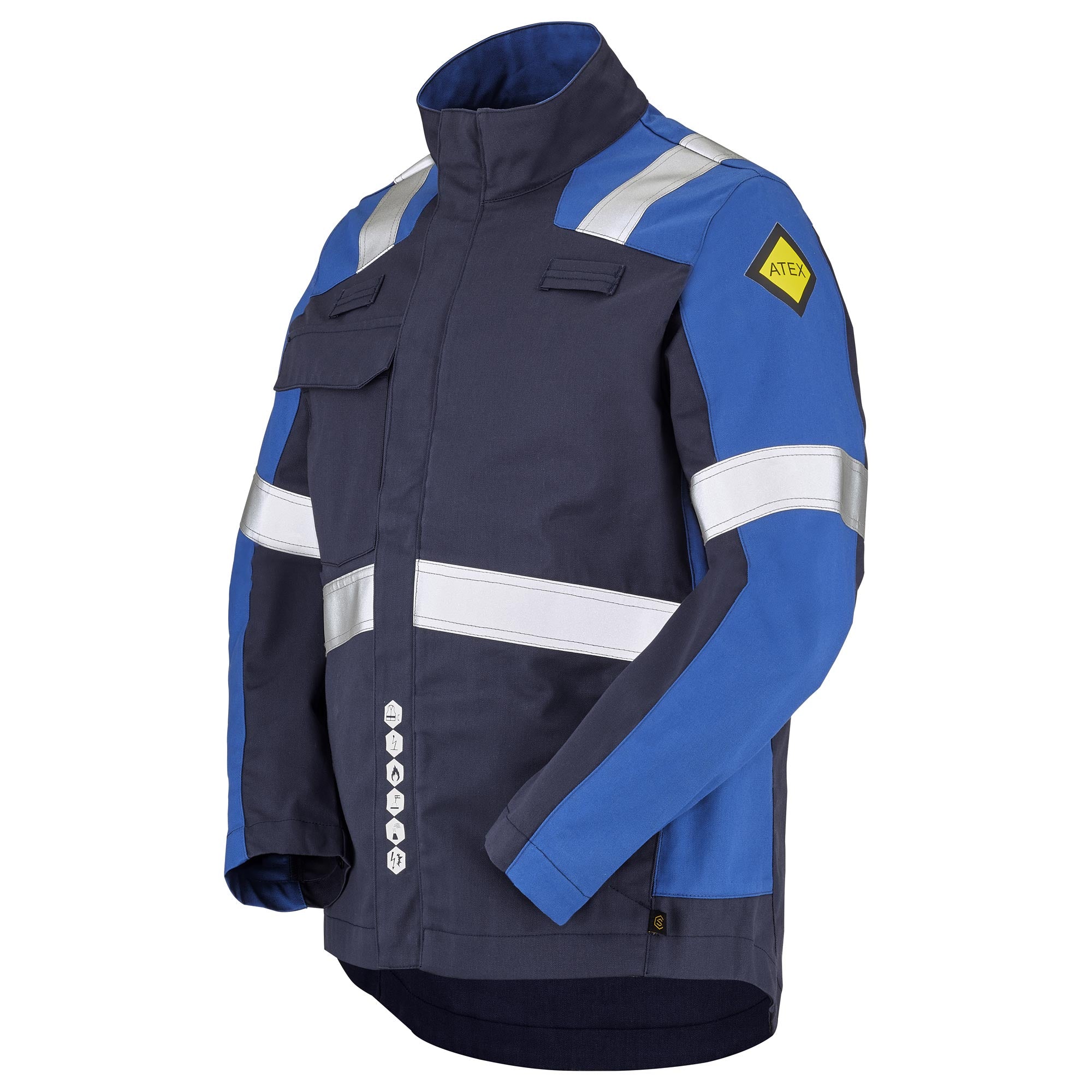
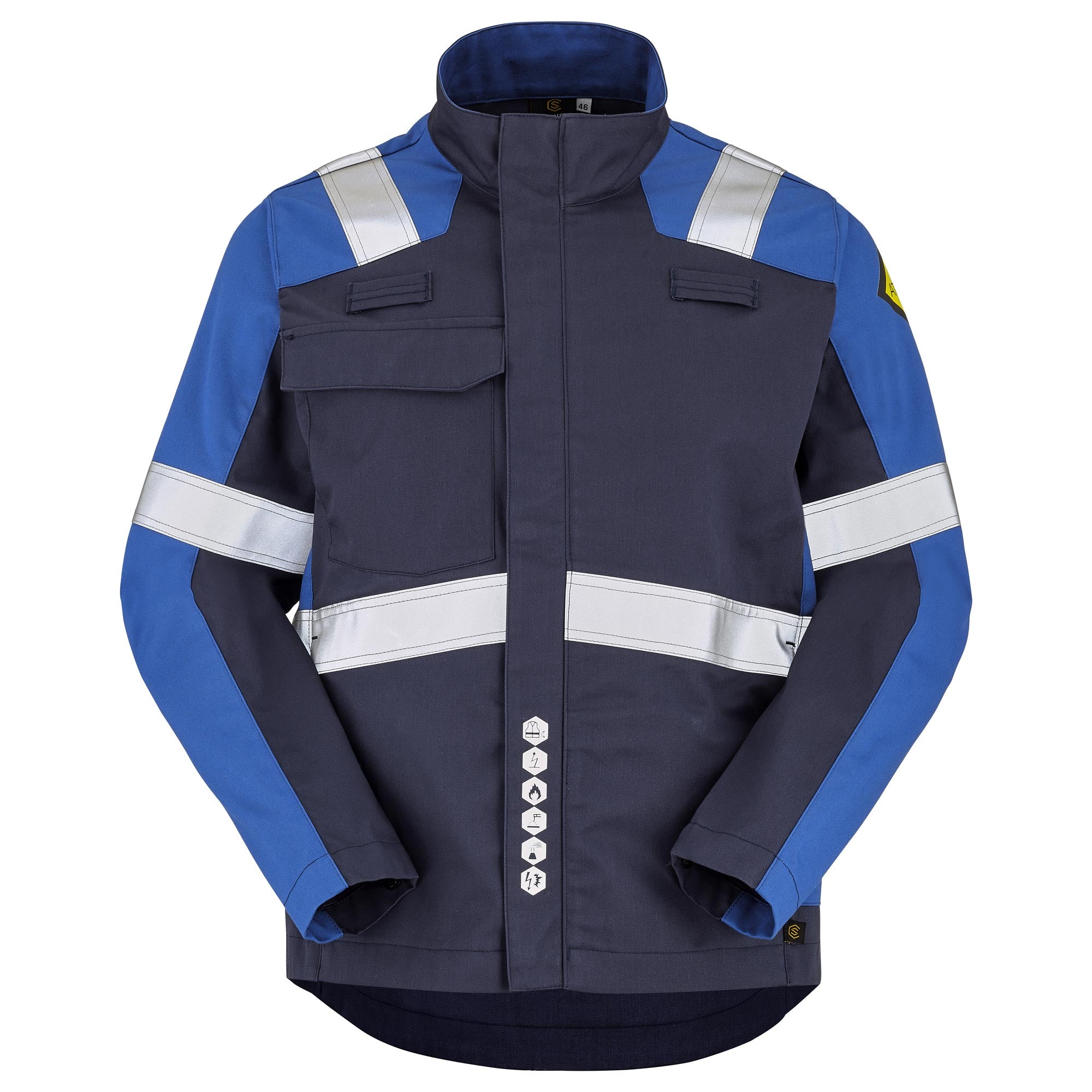
The Cepovett Safety range offers EN ISO 11612 garments for the entire body. The heat and flame jackets protect the torso, arms, and shoulders against projections and radiant heat.
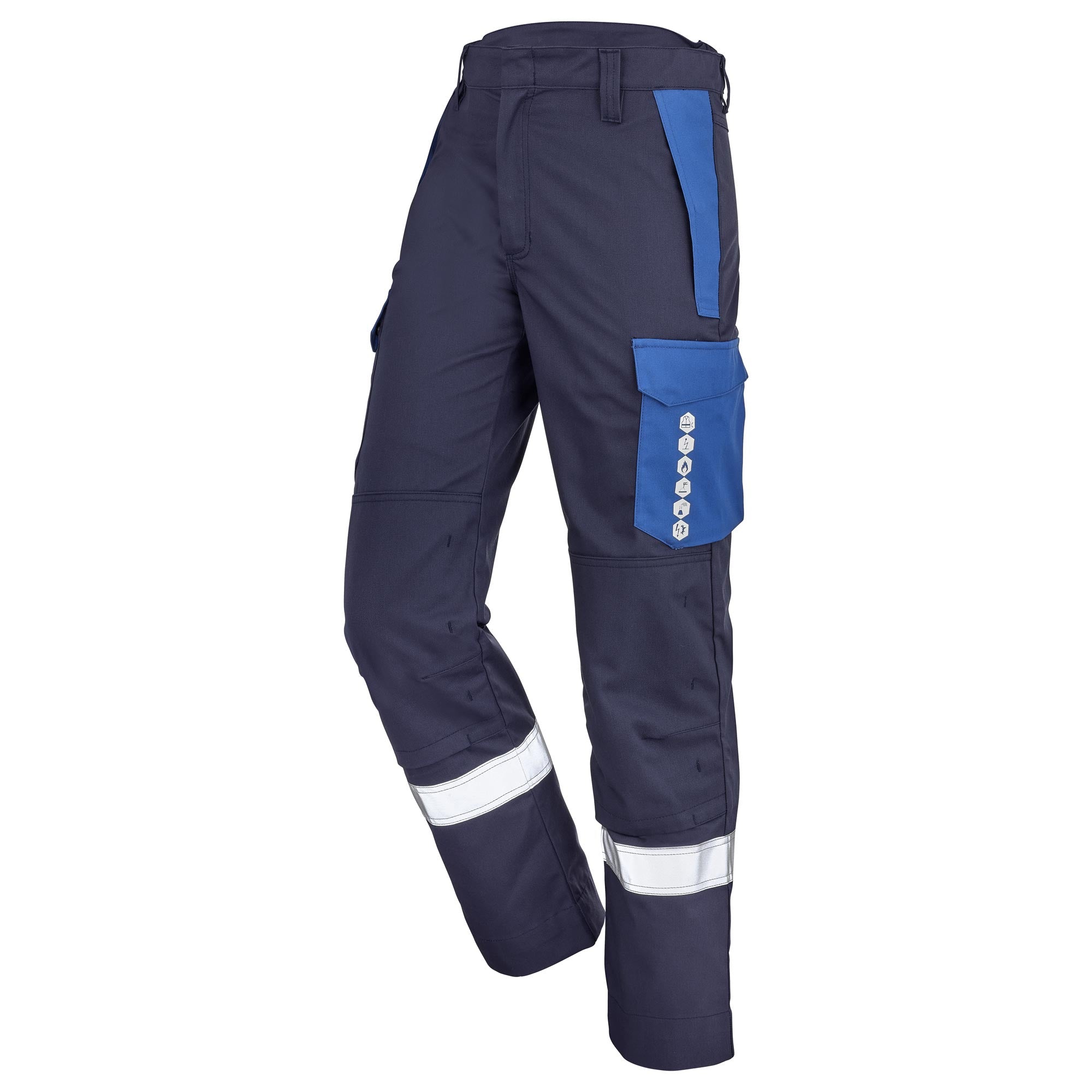
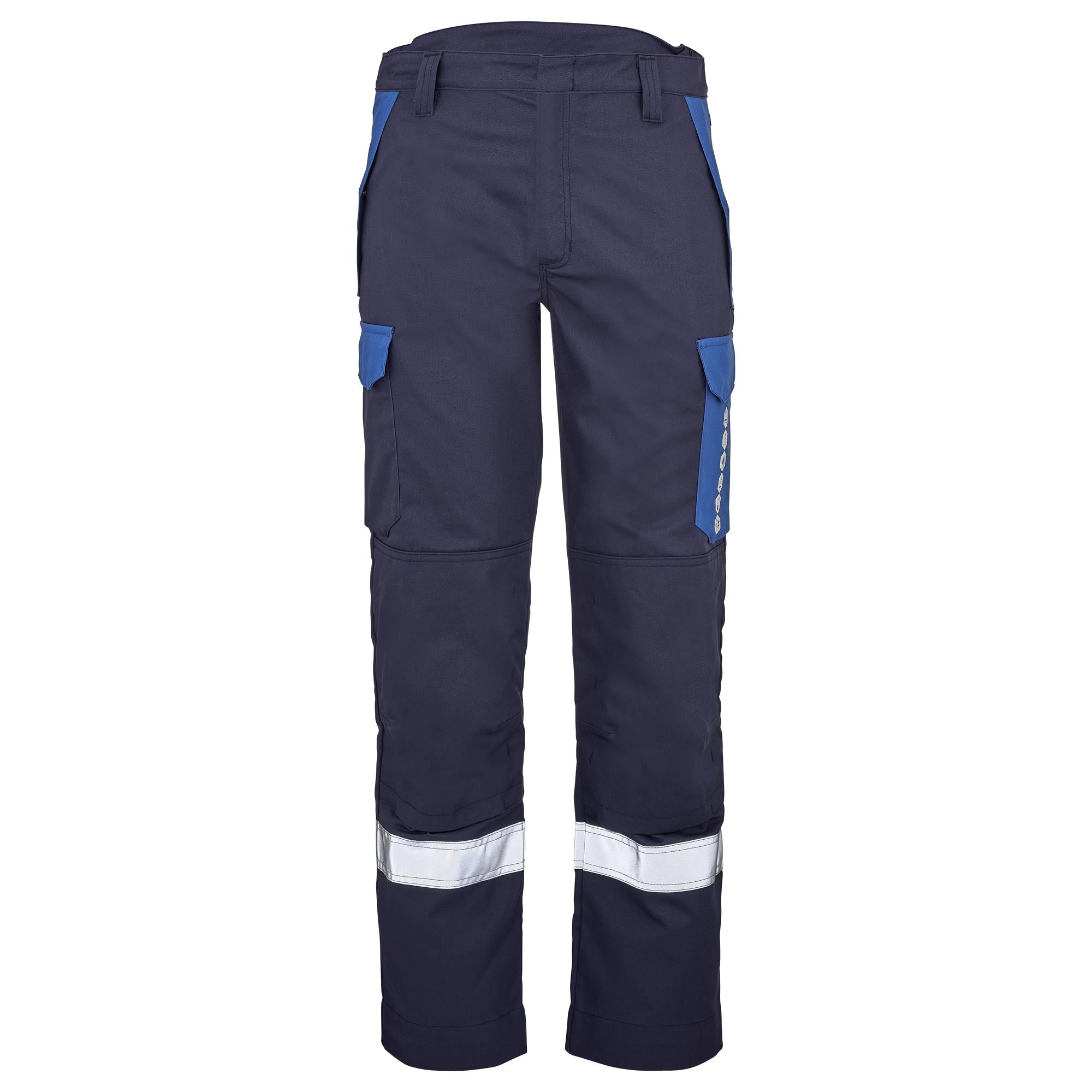
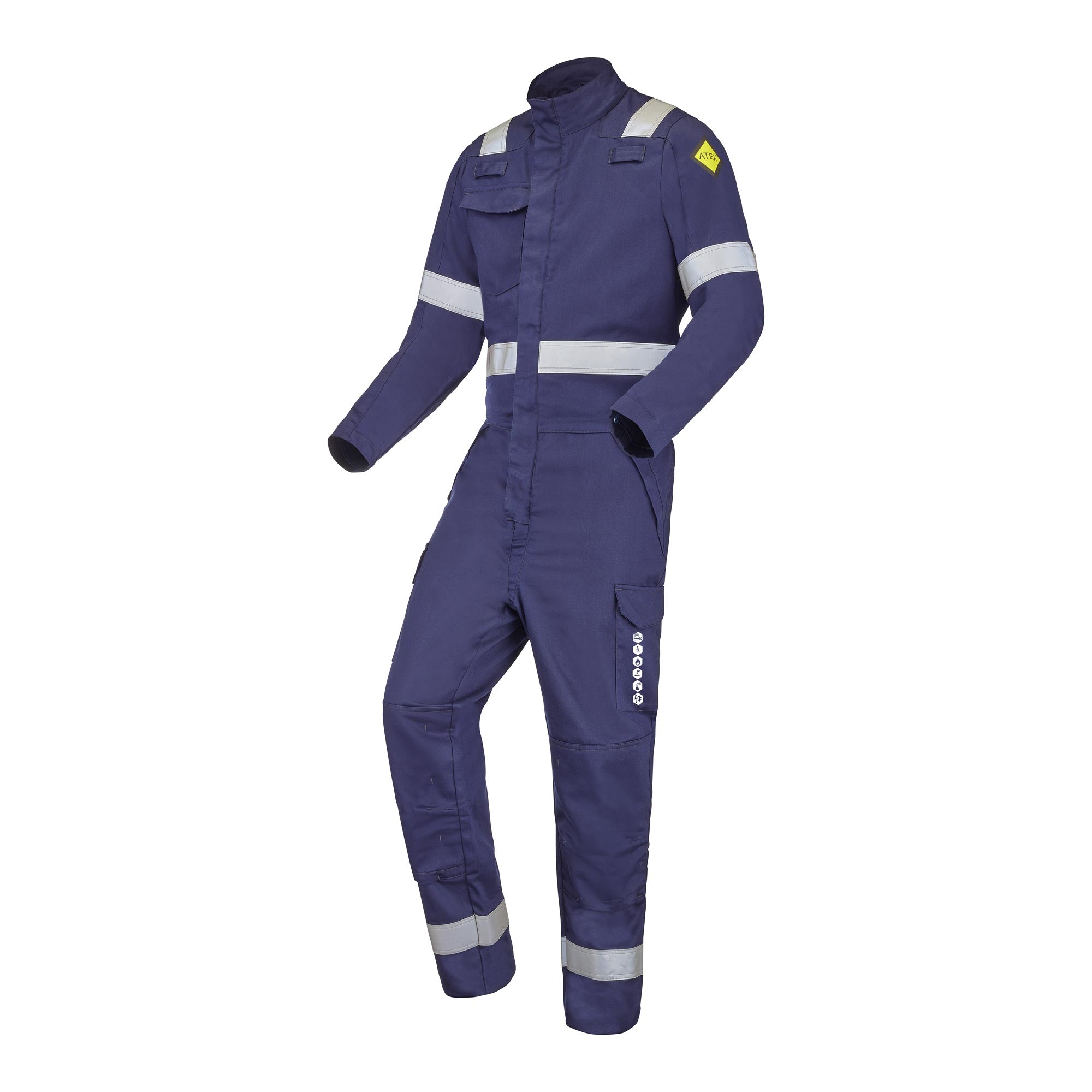
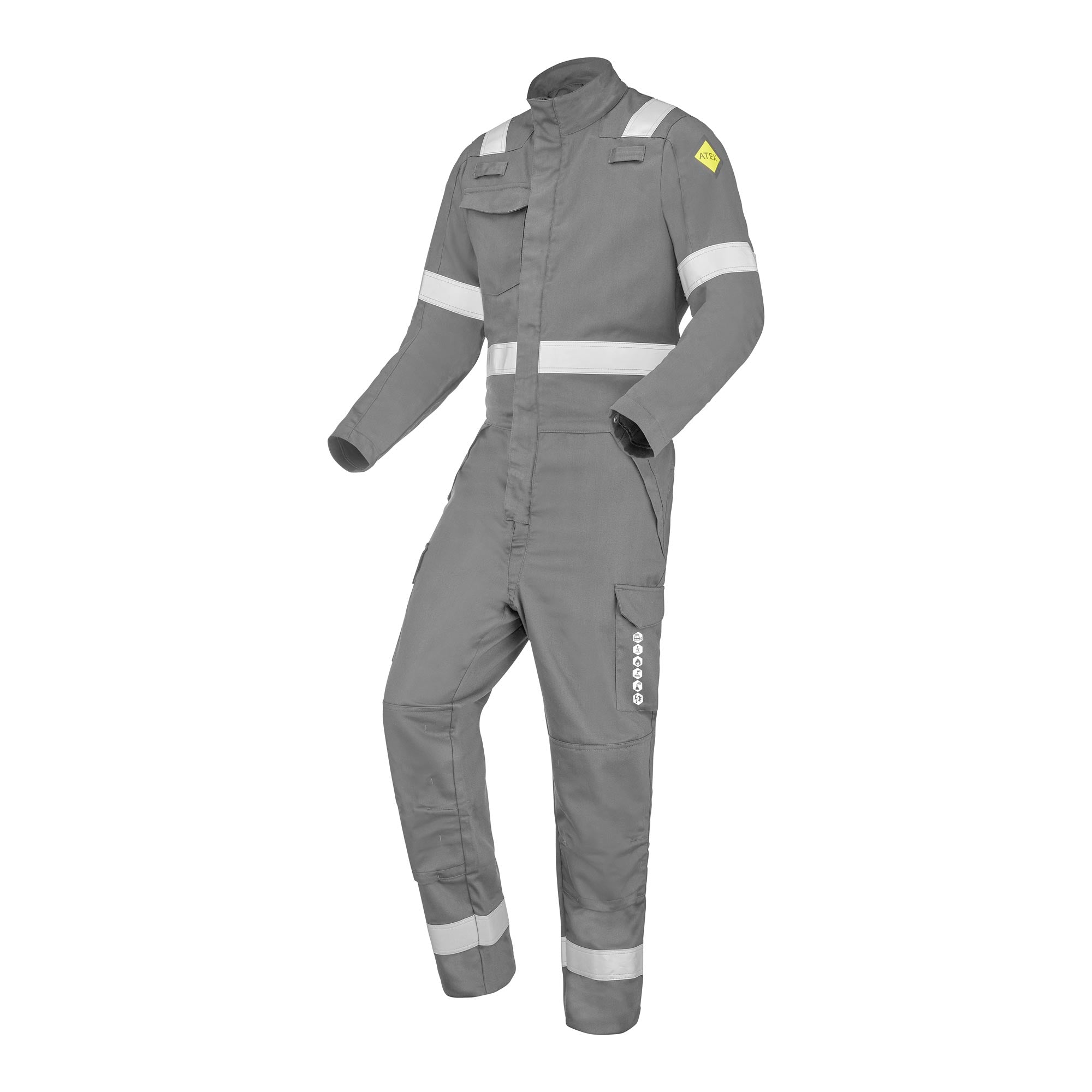
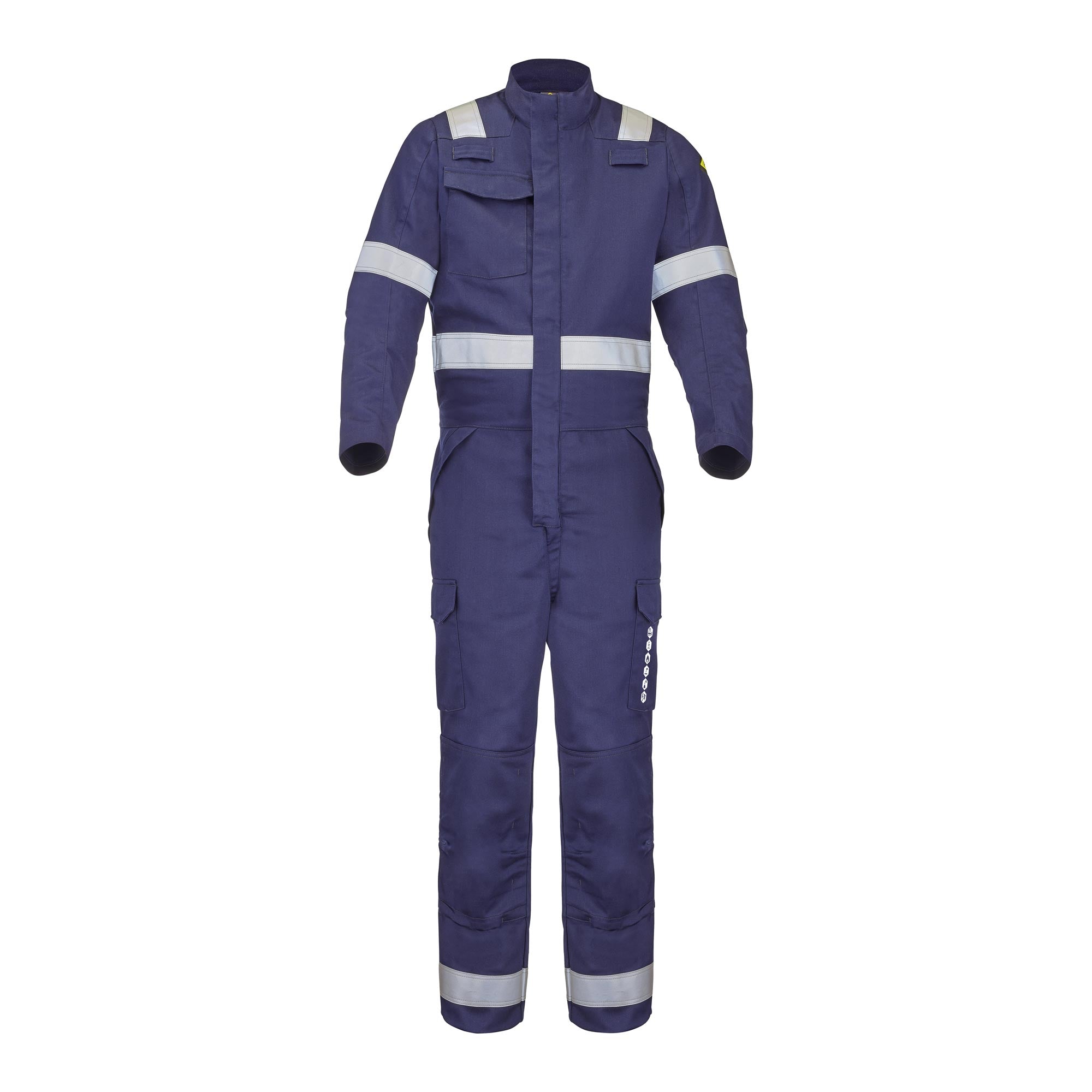
The heat and flame trousers cover the lower body with technical textiles resistant to projections and abrasion. Full coveralls offer maximum protection for the most exposed workstations, eliminating any coverage discontinuity between different parts of the body.
Equipment compatible with other PPE
Thermal protection only works well if it integrates into a coherent protection system. Cepovett Safety EN ISO 11612 garments are designed to be worn with other protective equipment: heat-resistant gloves, face shields, safety footwear, and flame-retardant hoods. They can also be combined with high-visibility clothing for workstations that combine multiple risks. This compatibility is validated from the design stage, which prevents uncovered exposure zones at junctions between equipment.
Essential criteria for choosing EN ISO 11612 clothing
How to adapt the protection level to actual risks?
EN ISO 11612 clothing is chosen based on the workstation risk assessment, not solely on a brand's reputation or the product's price. The risk assessment must identify the types of thermal exposure present (convective heat, radiant heat, projections), their intensity, and their duration. This data allows selecting the necessary performance codes and the minimum level required for each code. Over-equipping your teams in terms of thermal protection may seem prudent, but a garment that is too heavy or too hot will be poorly worn, which negates its function.
Comfort, ergonomics, and breathability
Thermal protection must not come at the expense of comfort and productivity. A well-designed EN ISO 11612 garment offers complete freedom of movement for technical tasks, sufficient breathability to limit body overheating, and a fit adapted to different body types. Cepovett Safety garments are developed with particular attention to these aspects, so that PPE does not itself become a source of constraint or risk.
Cepovett Safety expertise in thermal protection clothing
Cepovett Safety designs EN ISO 11612 certified garments for professionals in thermally hazardous industries. The brand combines in-depth mastery of European normative requirements, rigorous selection of technical textiles, and product development rooted in field realities. Each thermal protection garment is designed to offer the best balance between protection performance, durability, and wearing comfort.
The range also includes heat and flame coveralls for workstations requiring continuous protection without any junction between the upper and lower body. This solution is particularly suited to high thermal risk environments such as foundry or metallurgy.
How to maintain your EN ISO 11612 clothing to preserve their compliance?
The maintenance of a flame-retardant garment is a serious matter. Inappropriate practices can degrade flame-retardant properties without being visible to the naked eye, rendering the garment non-compliant while appearing intact. The basic rules: no fabric softener, strict adherence to indicated washing and drying temperatures, no repairs with non-certified pieces. An EN ISO 11612 garment must be inspected regularly and replaced as soon as signs of wear compromise its integrity.