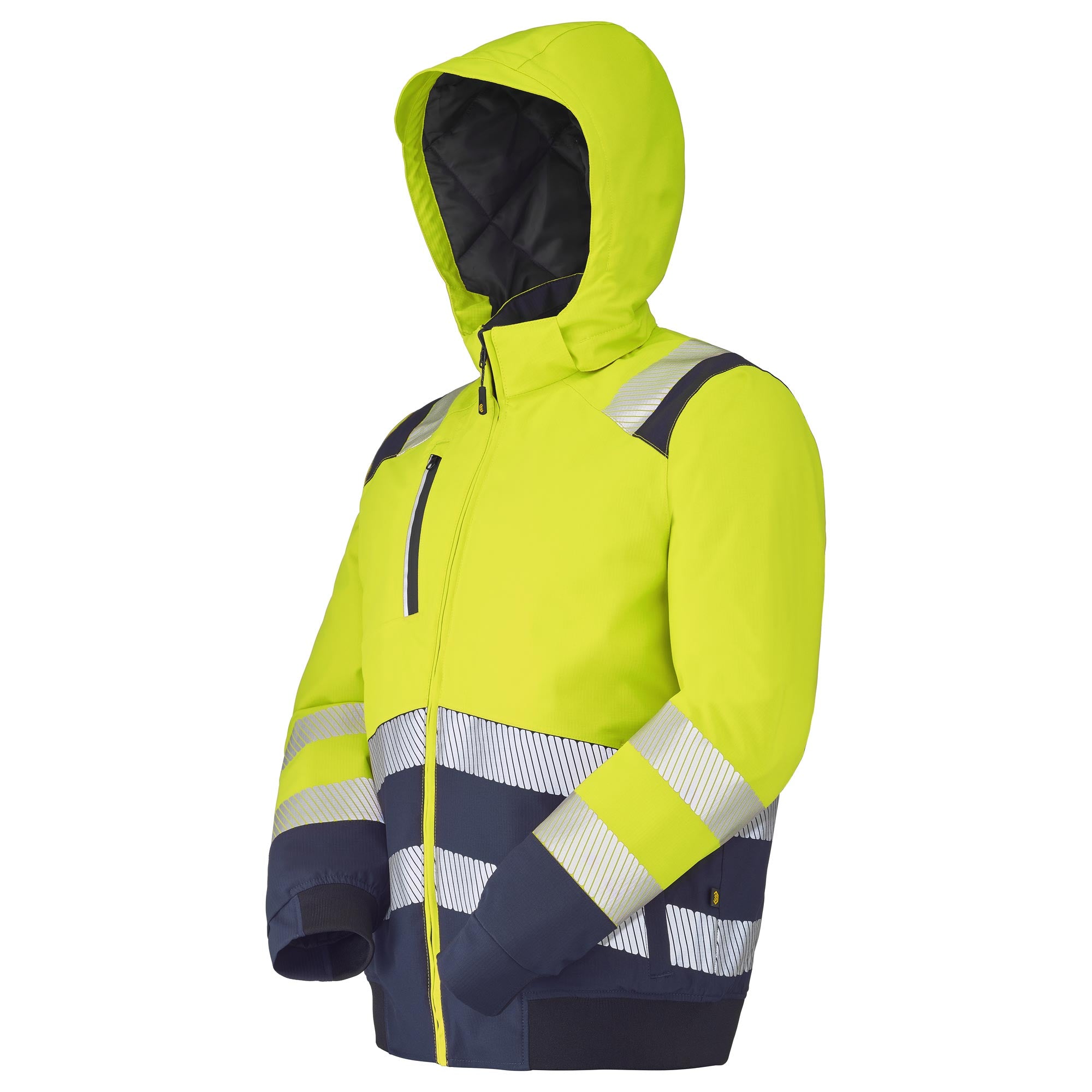
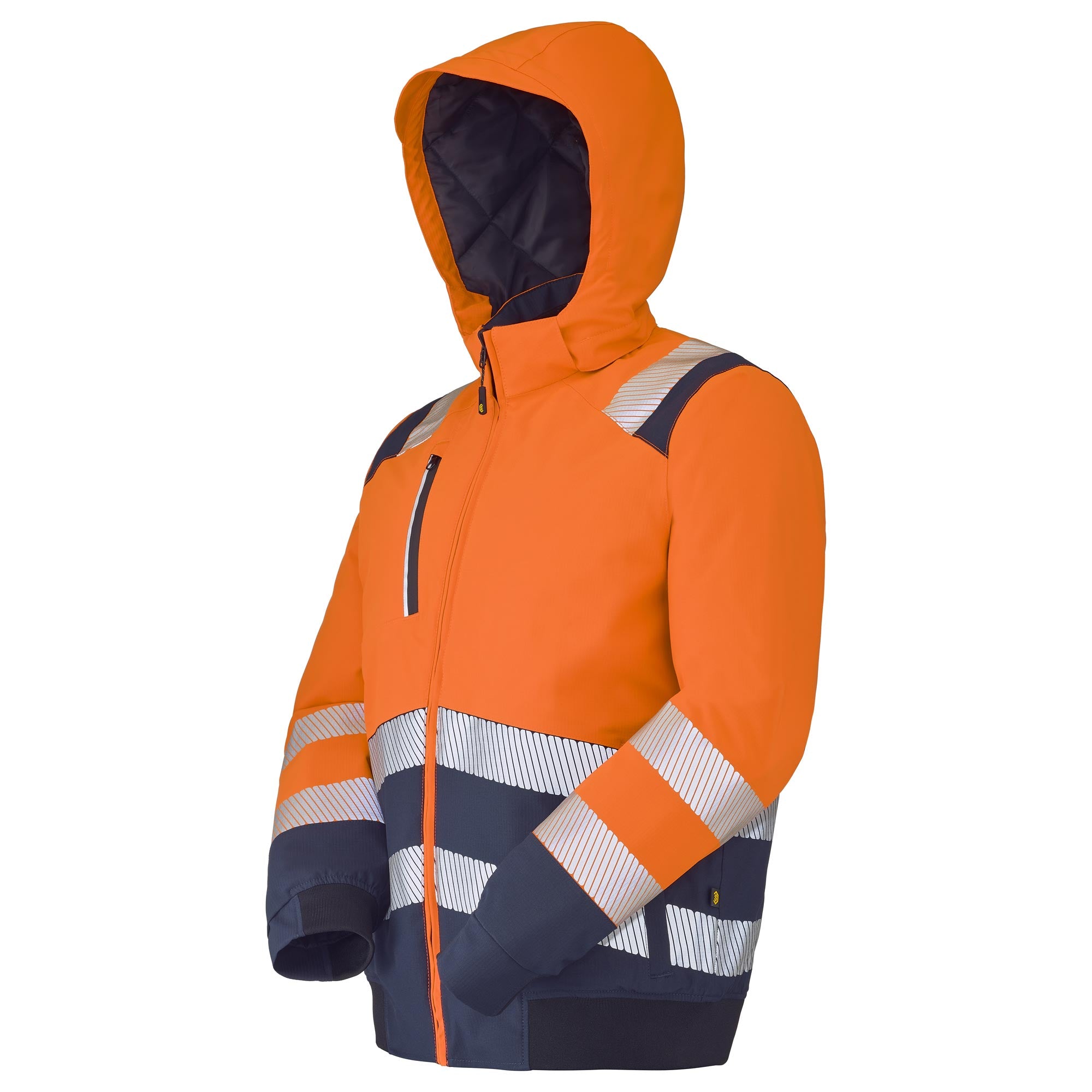
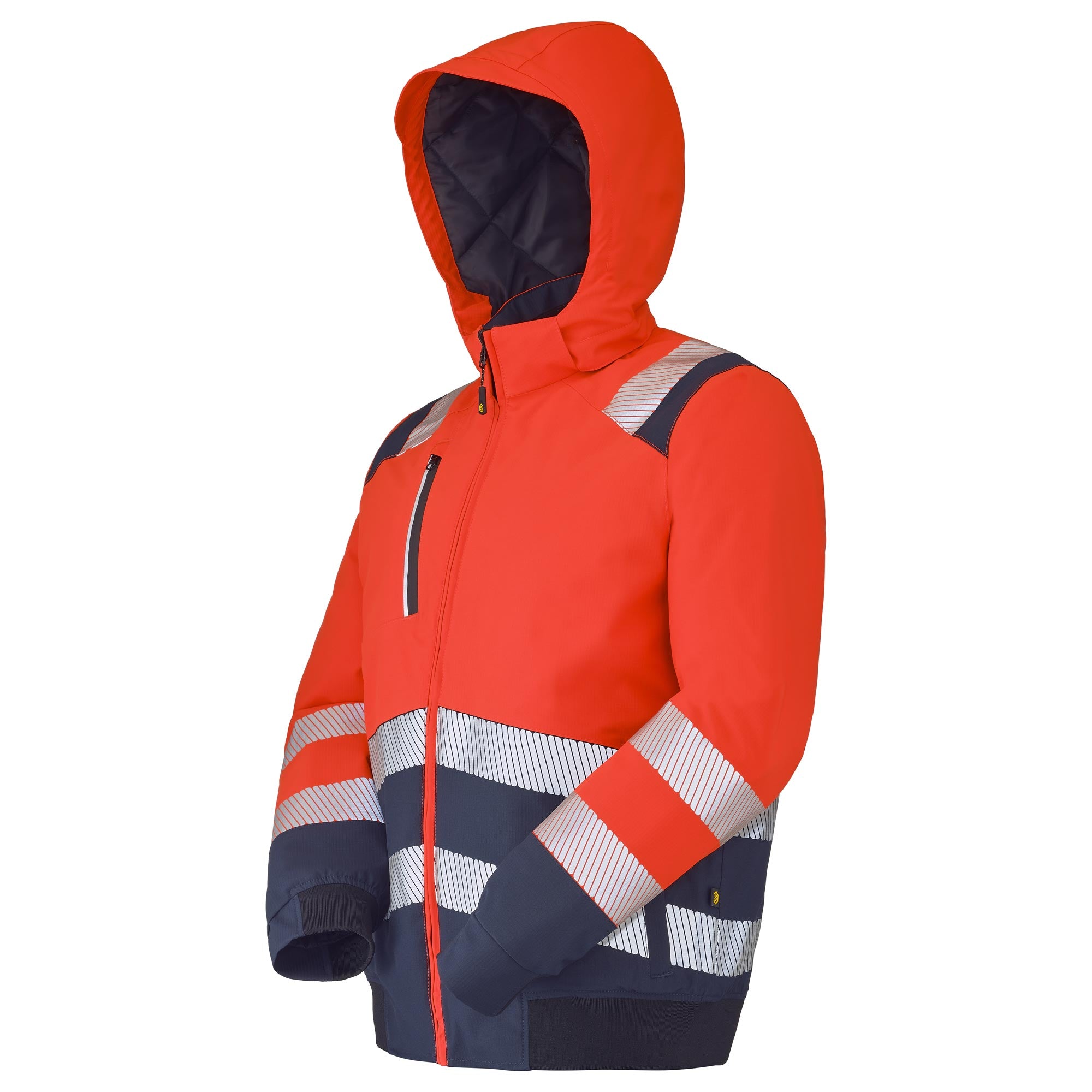
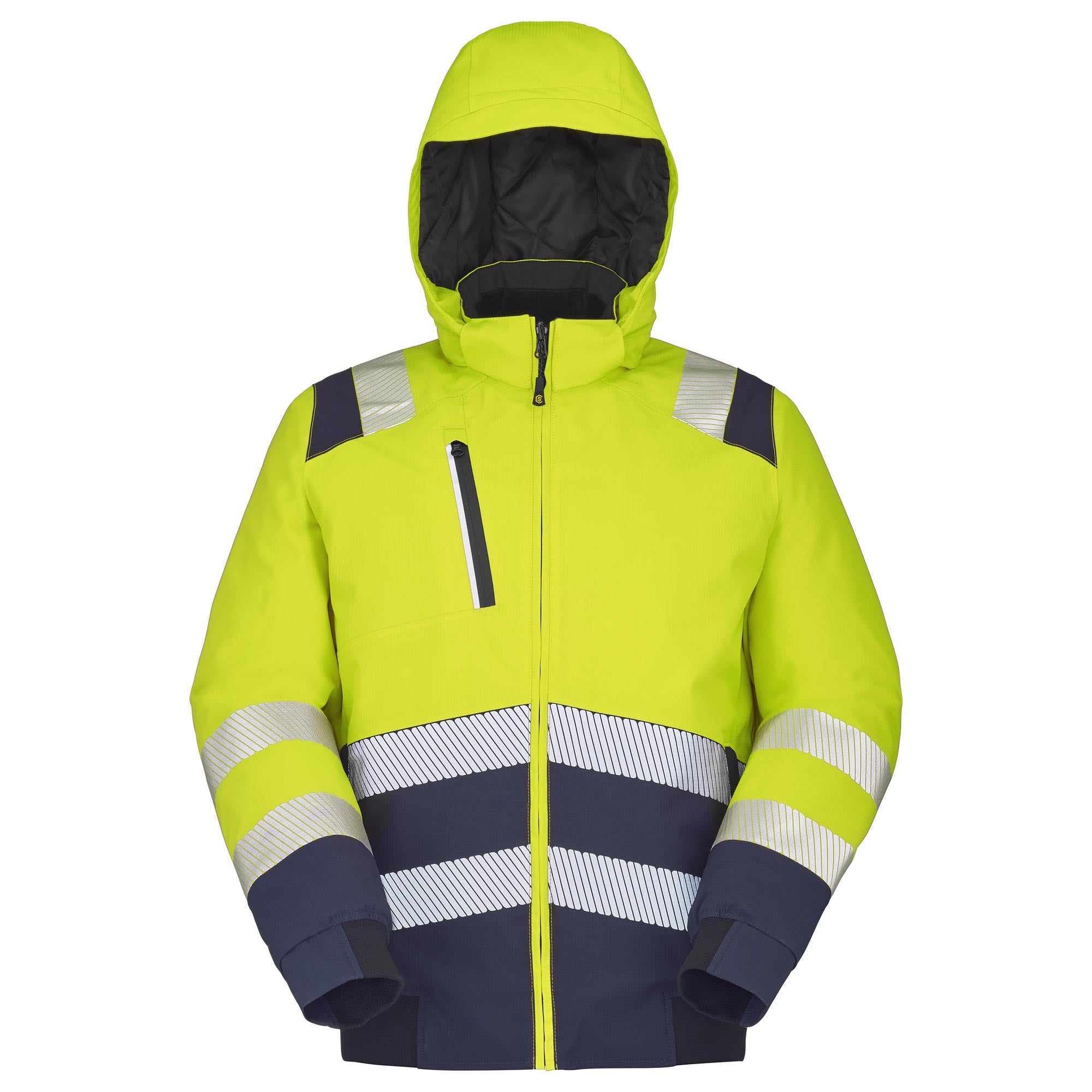
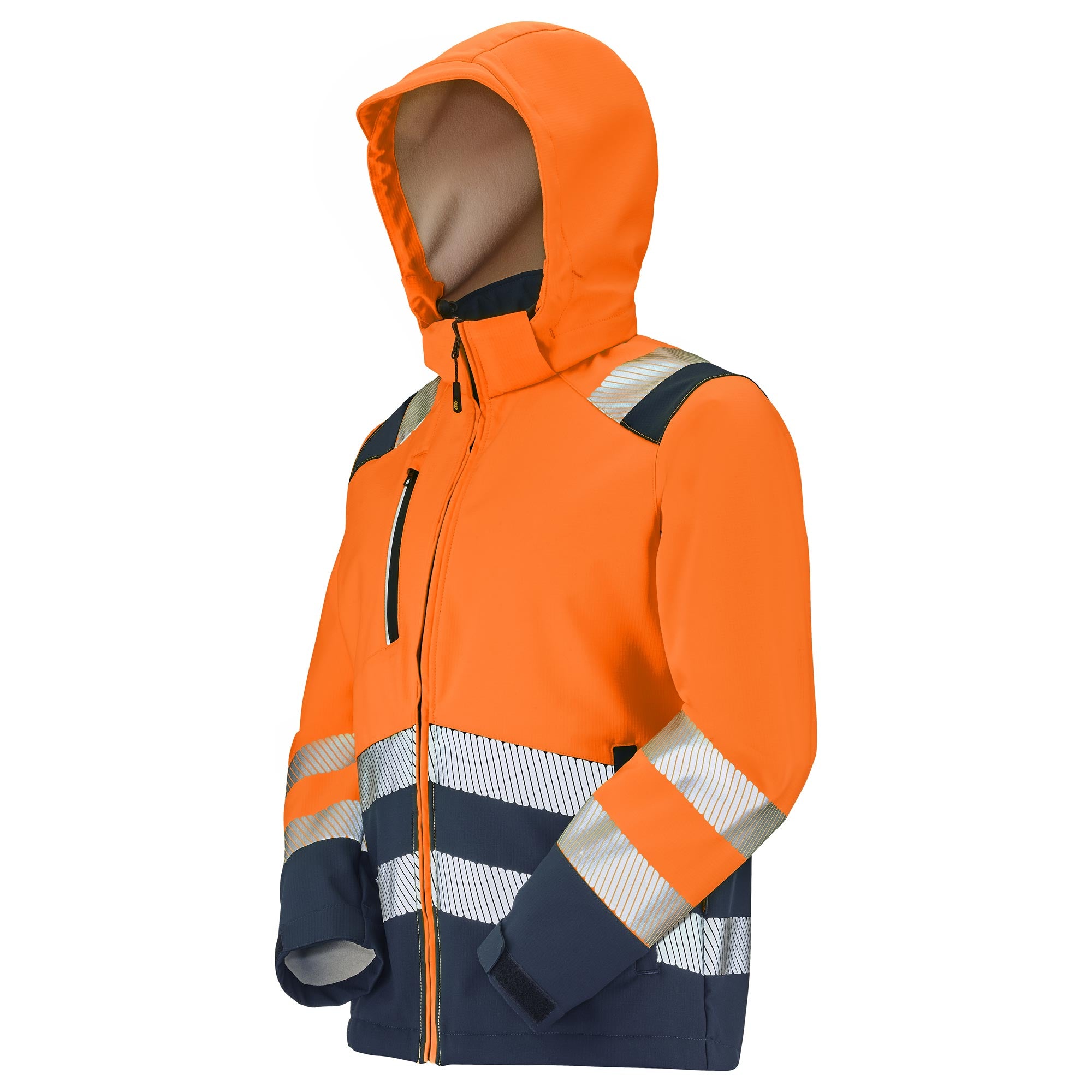
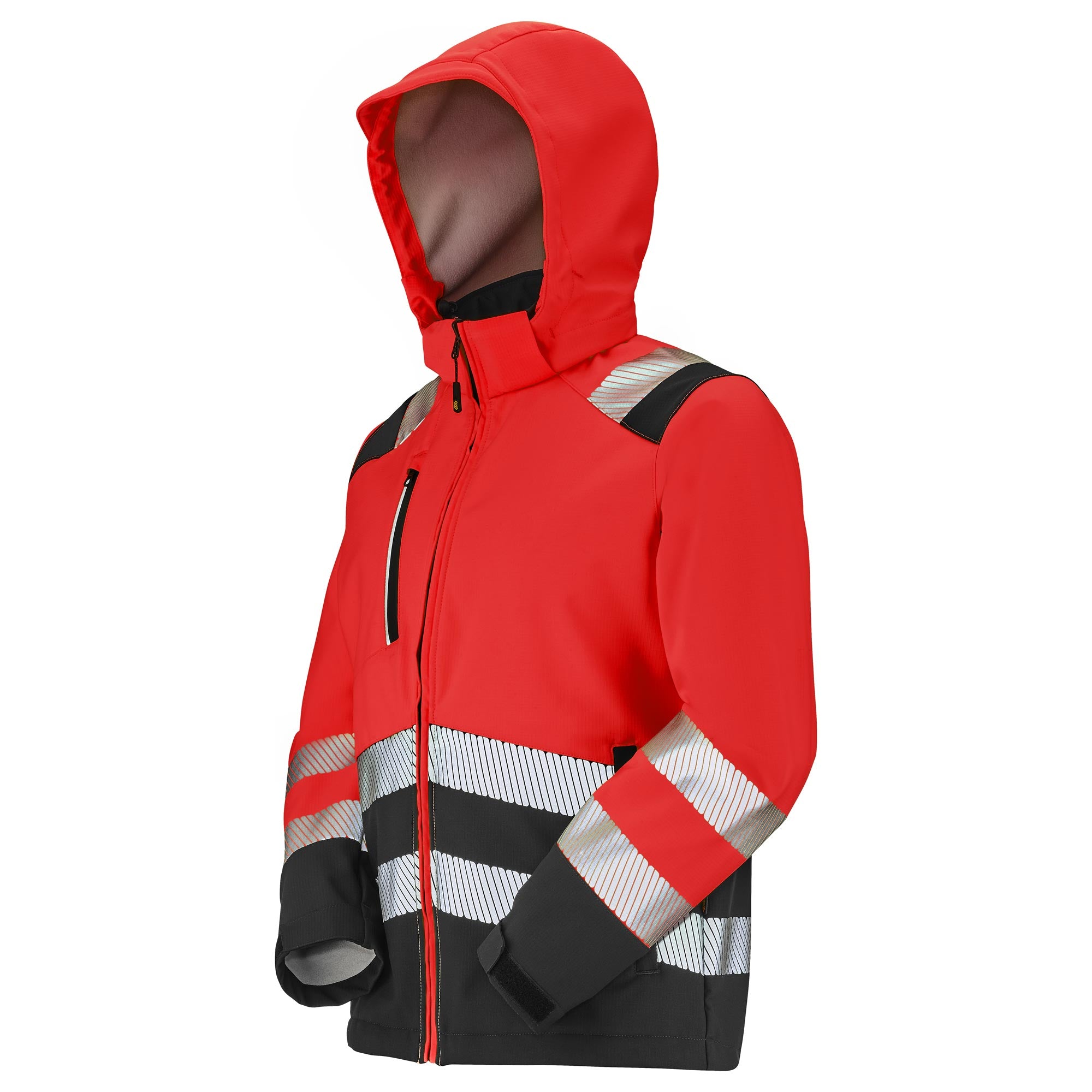
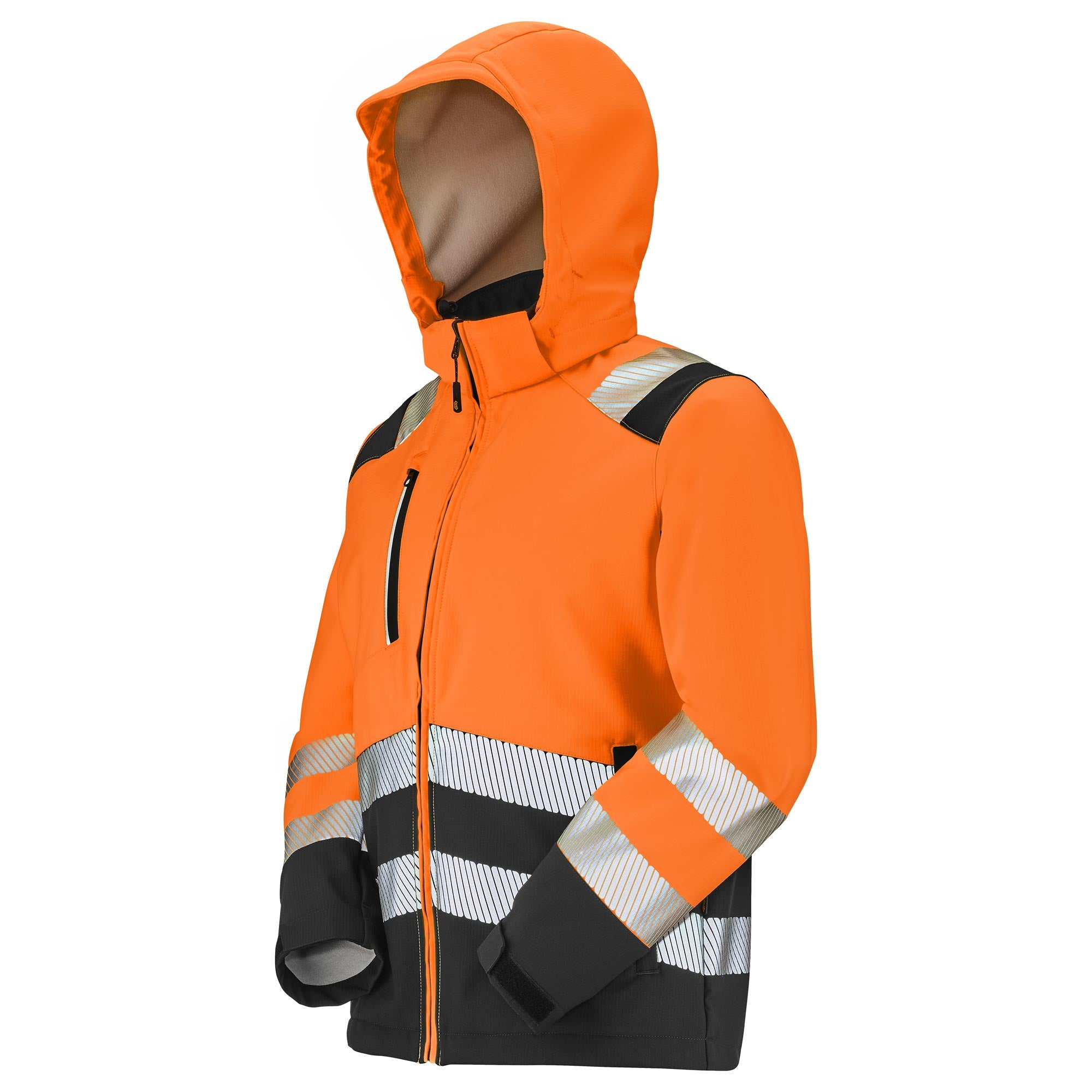
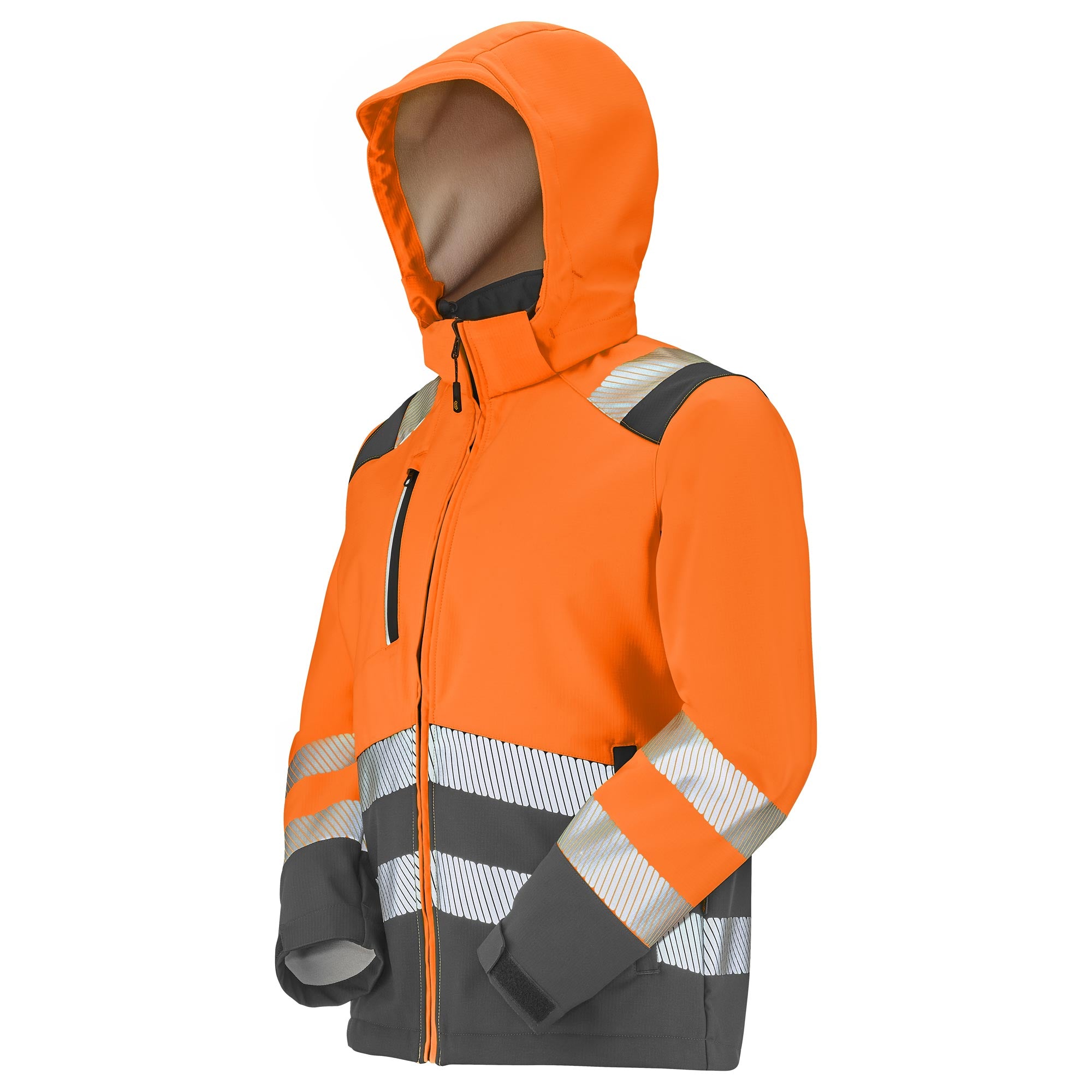
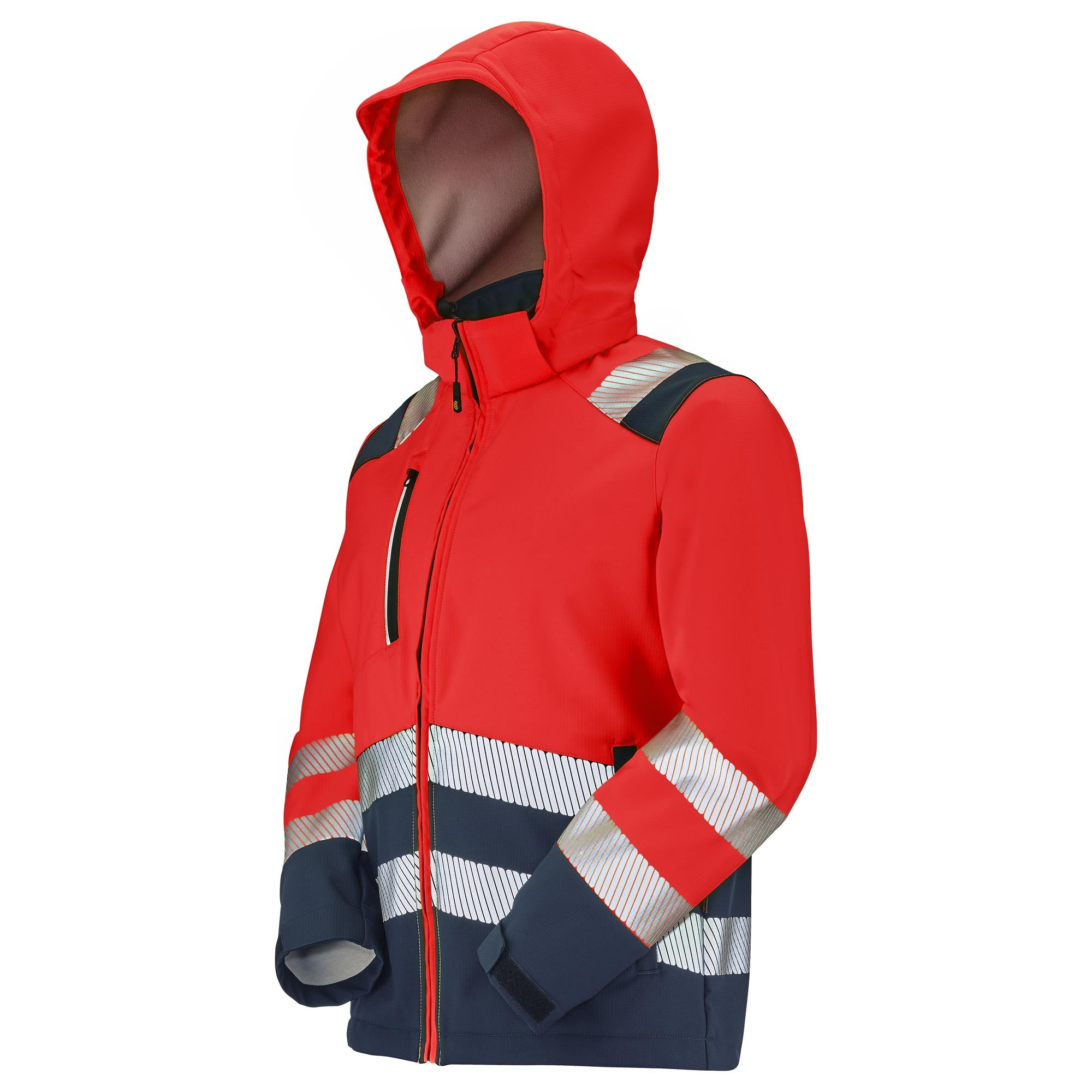
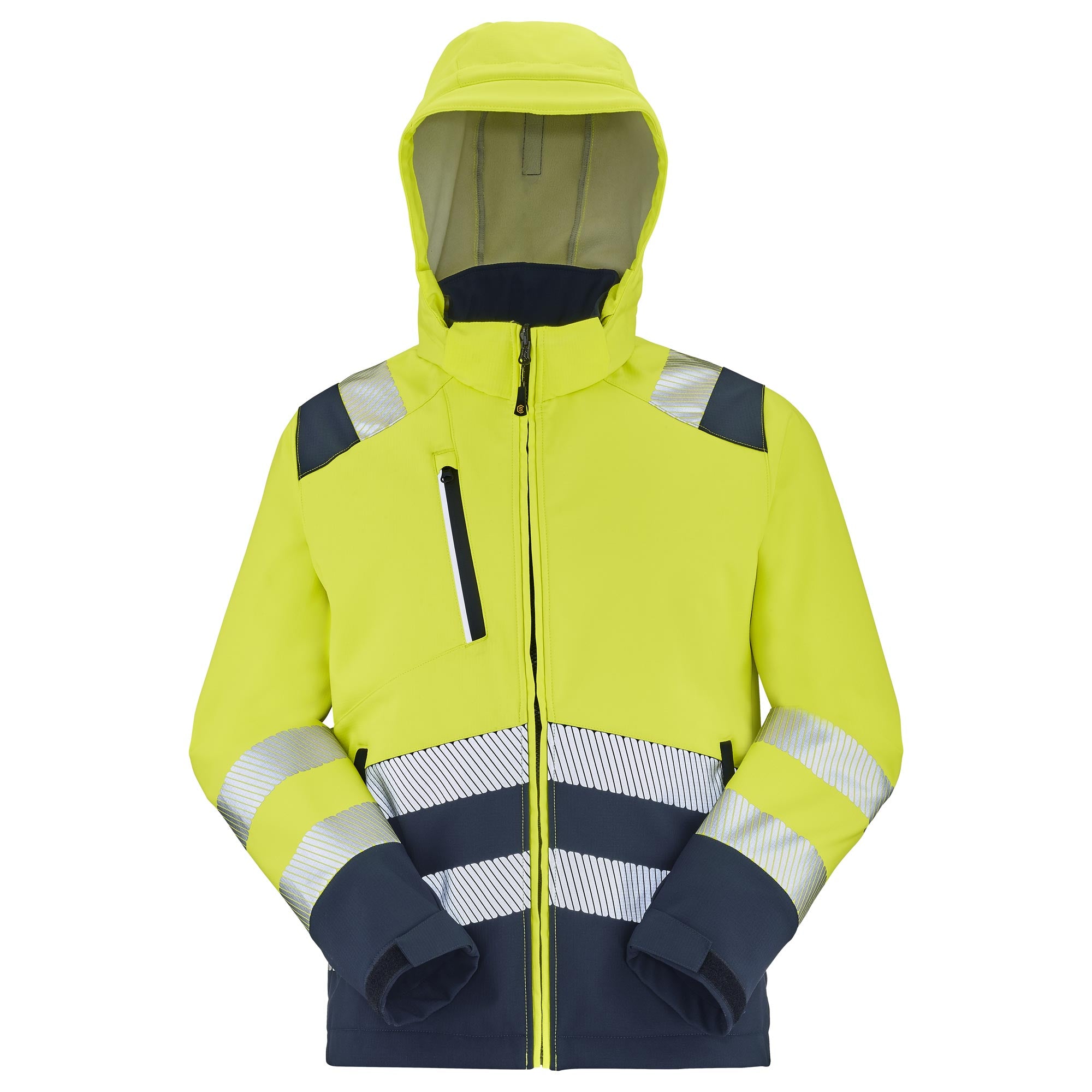
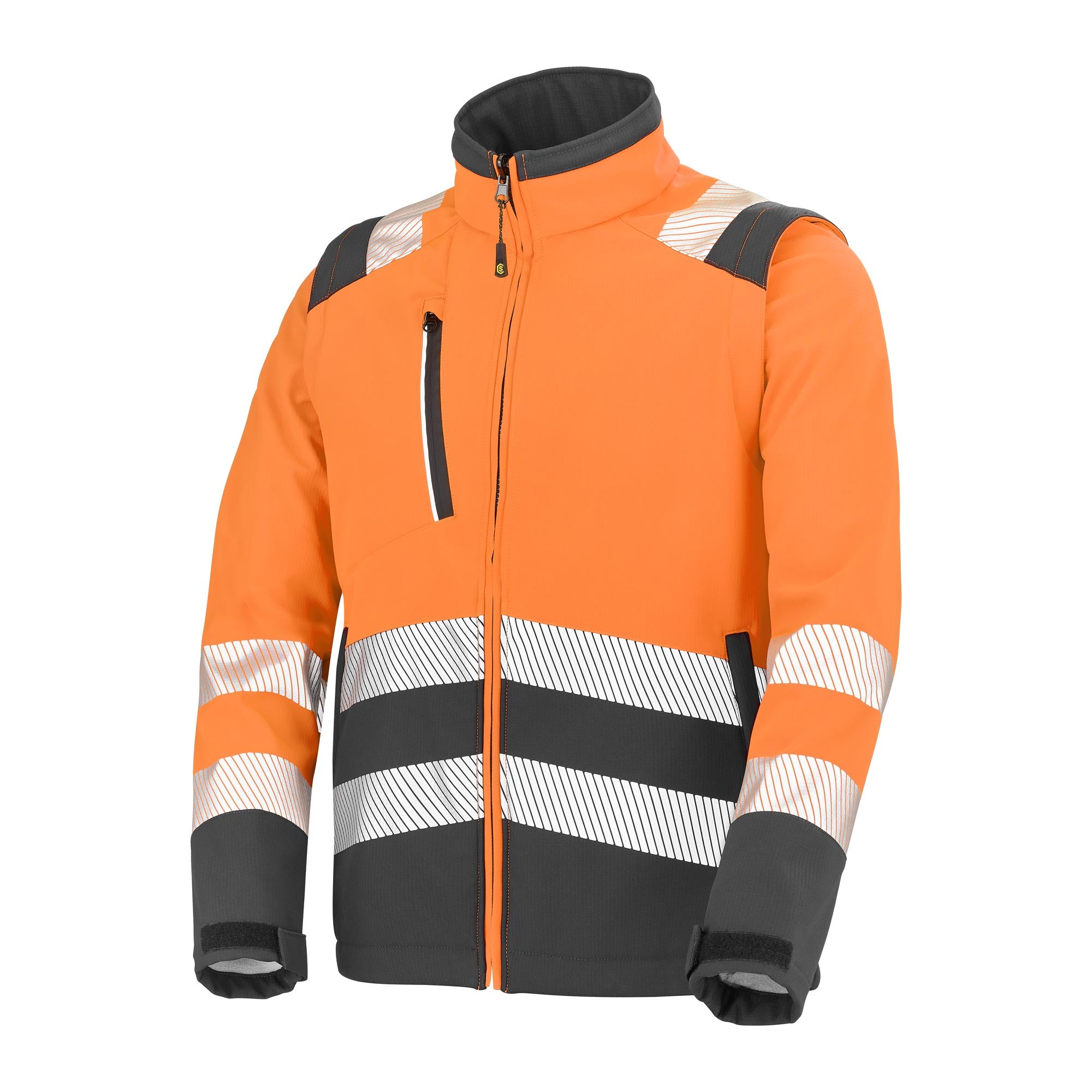
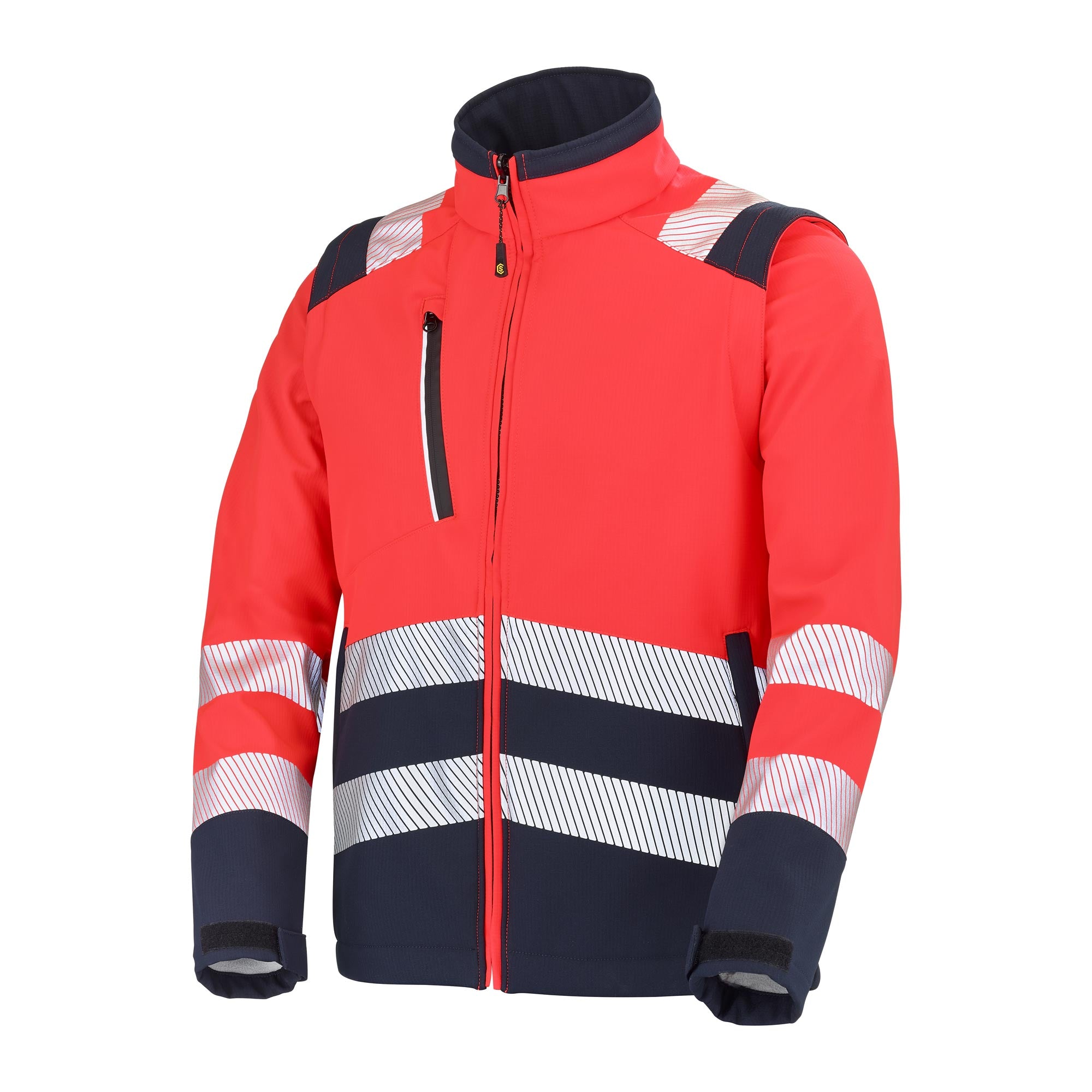
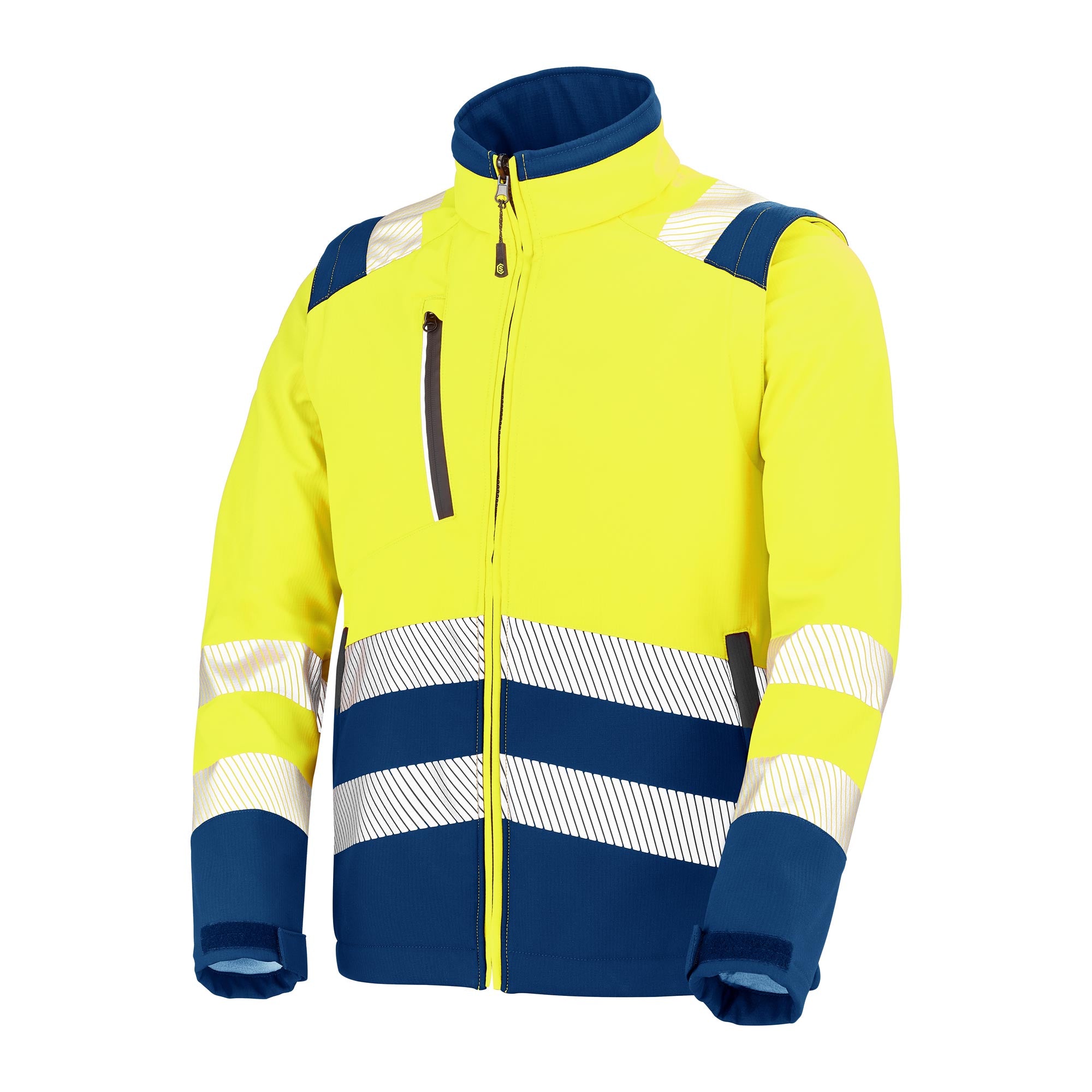
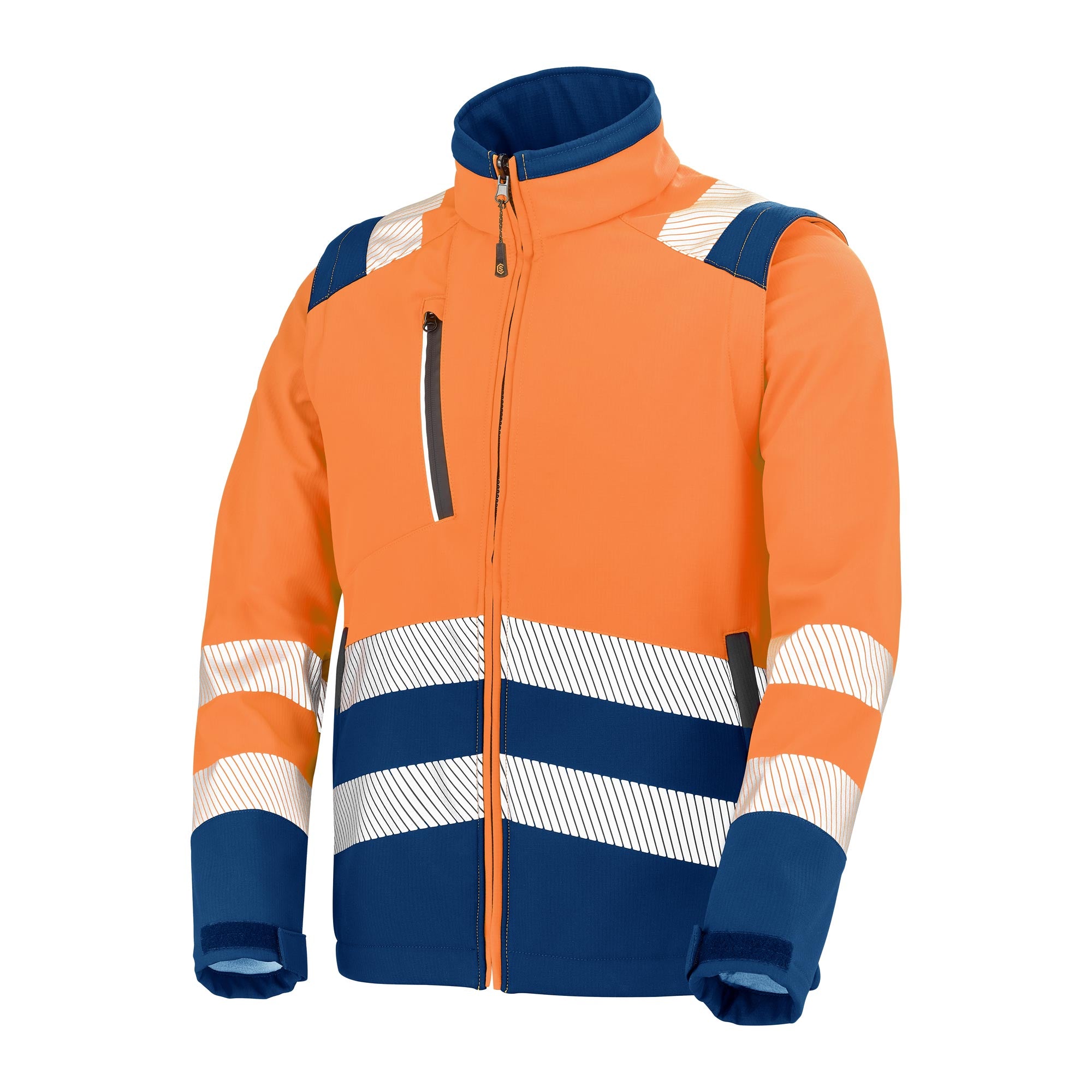
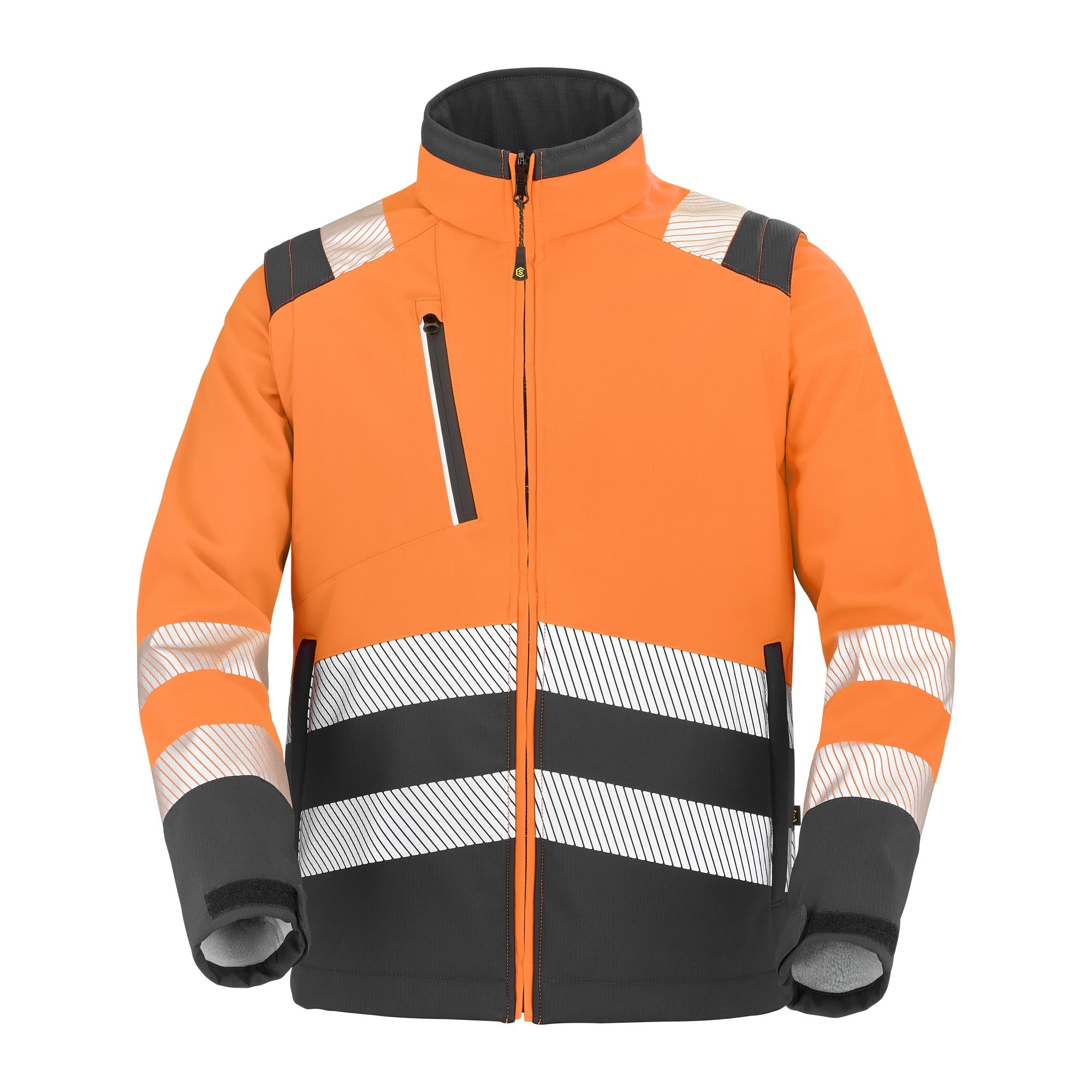
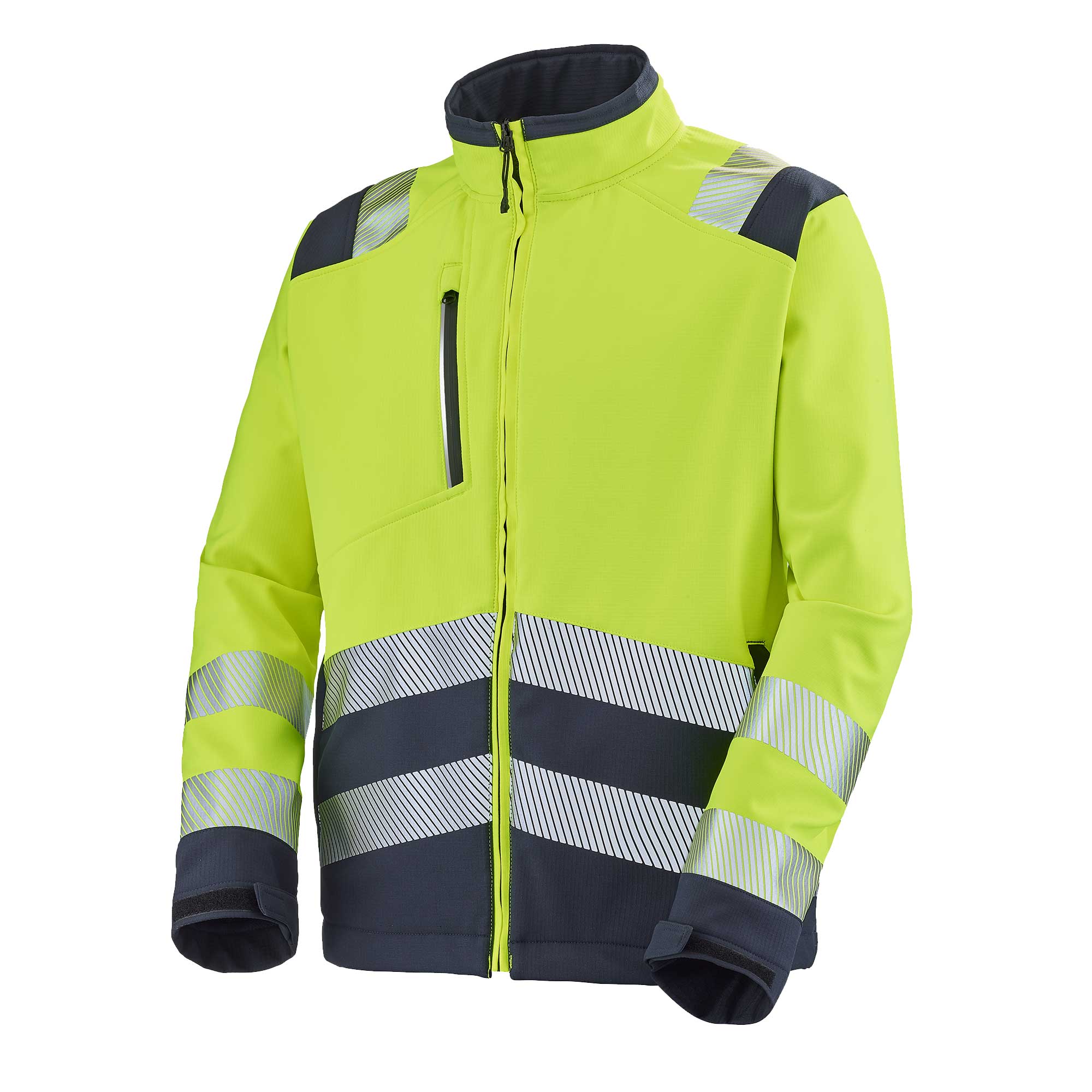
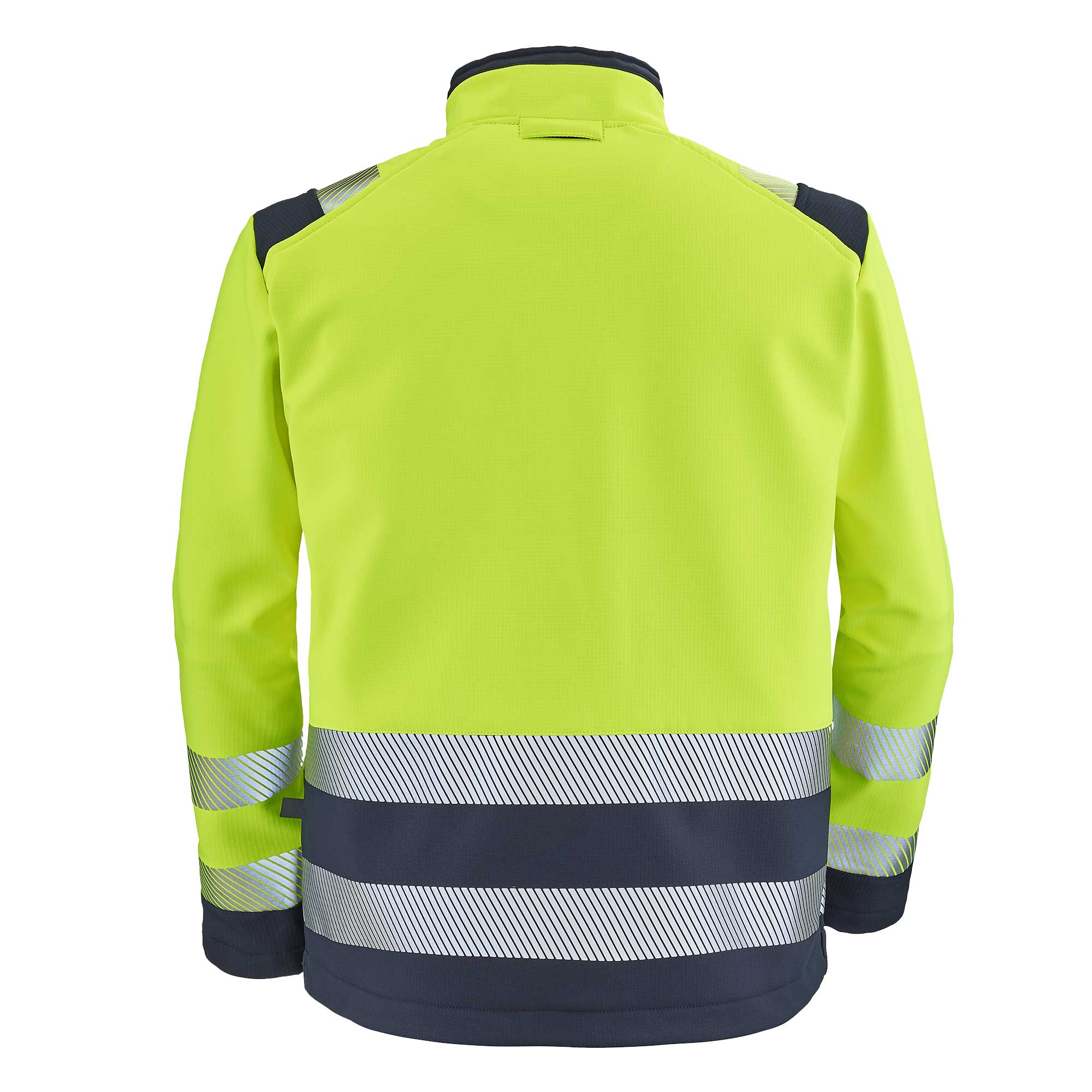
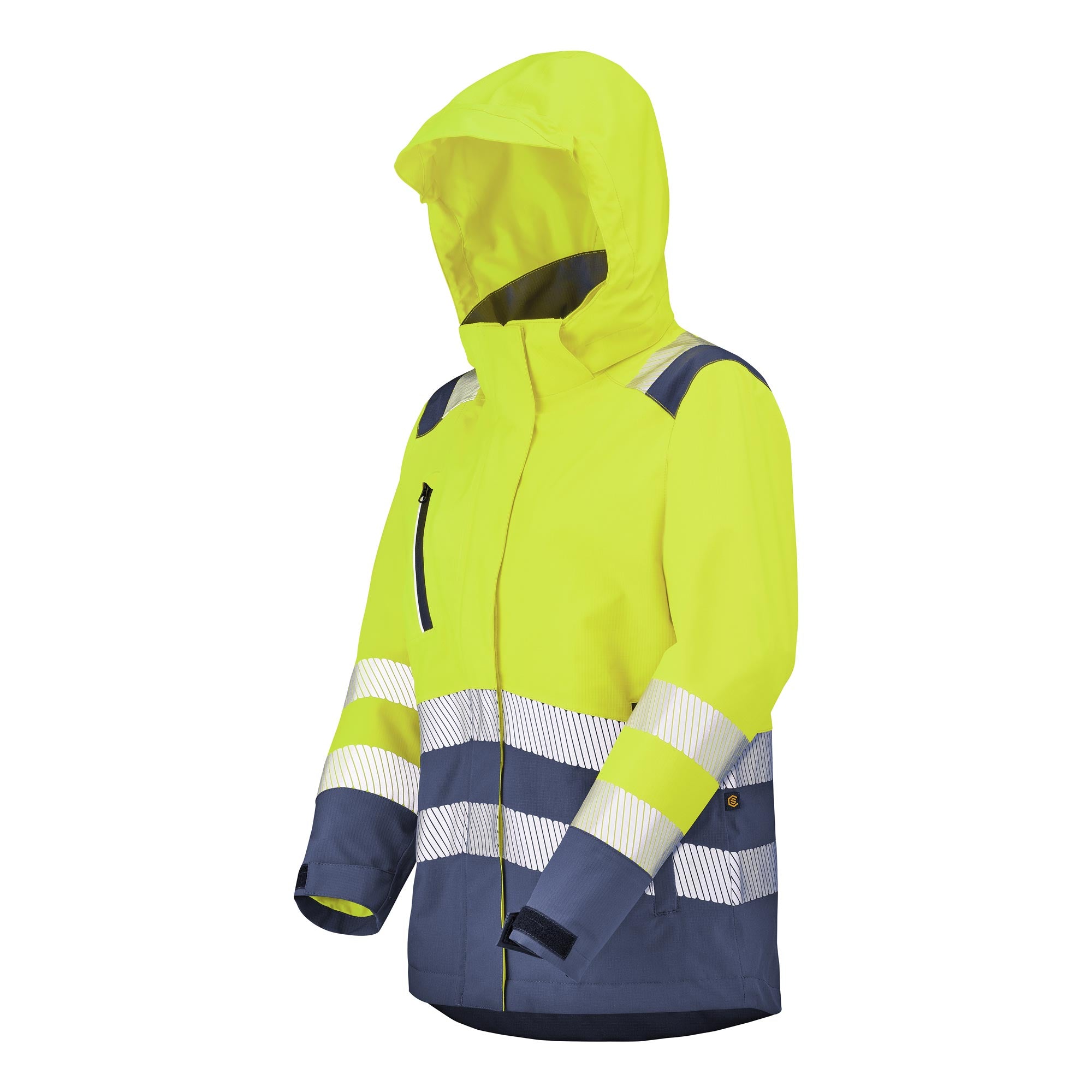
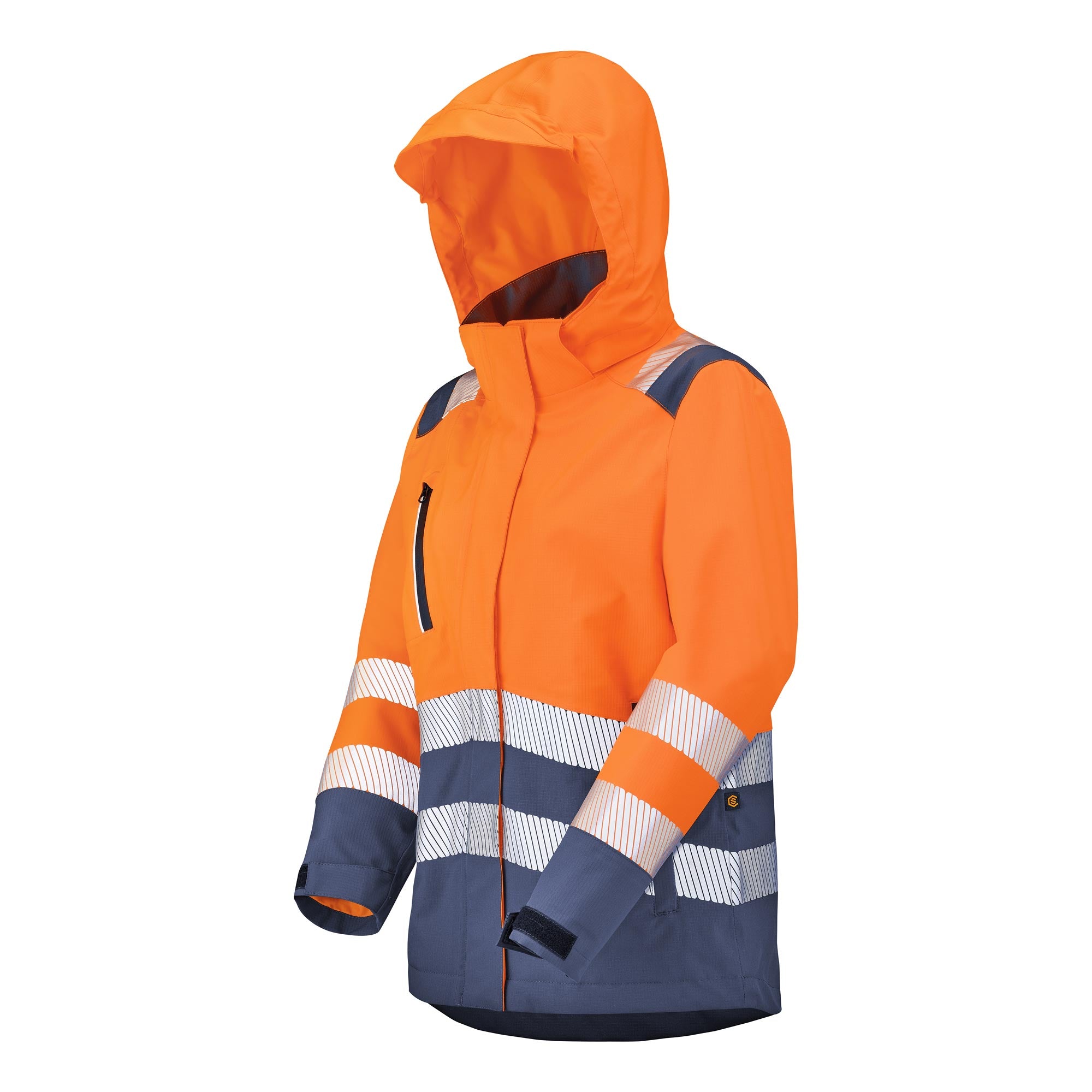
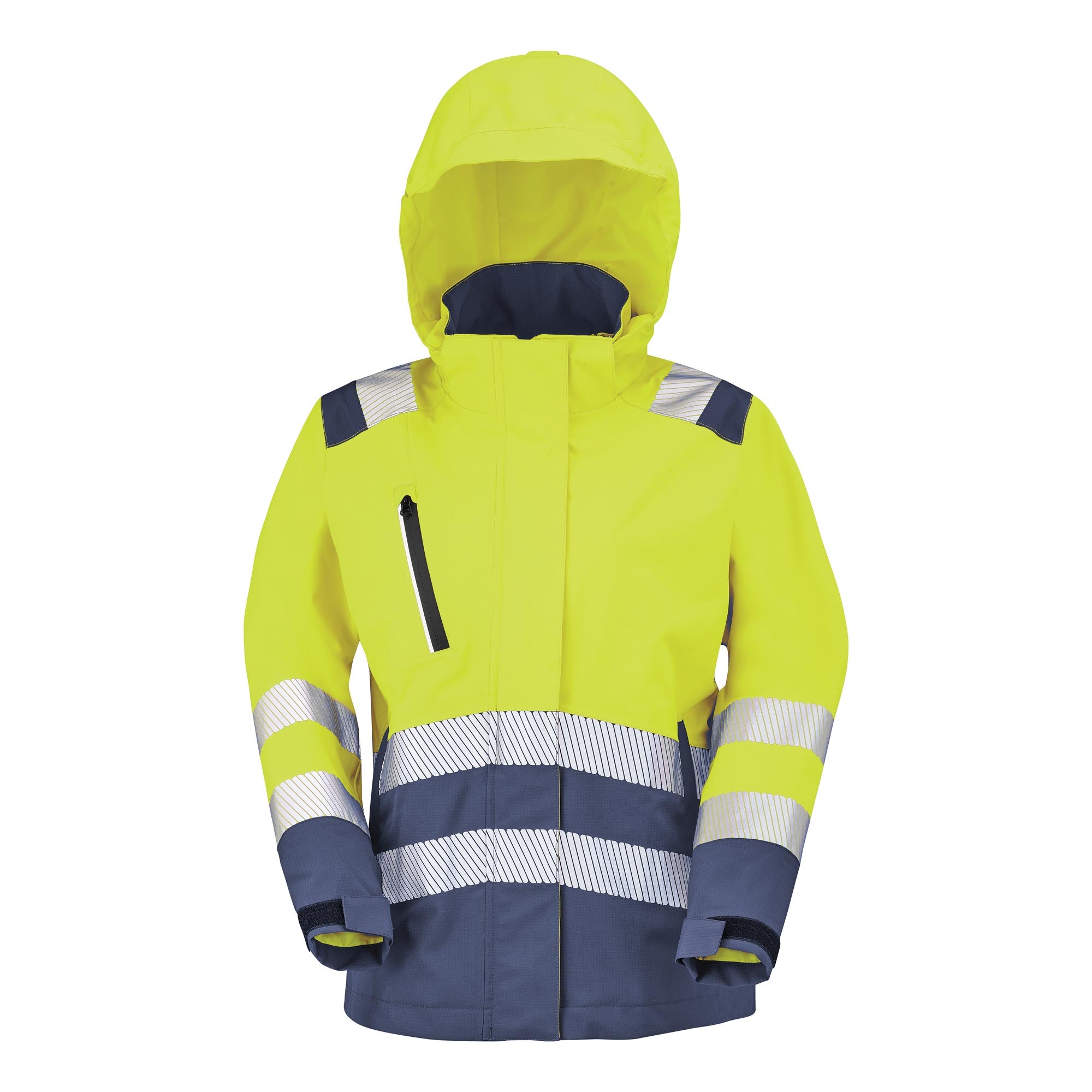
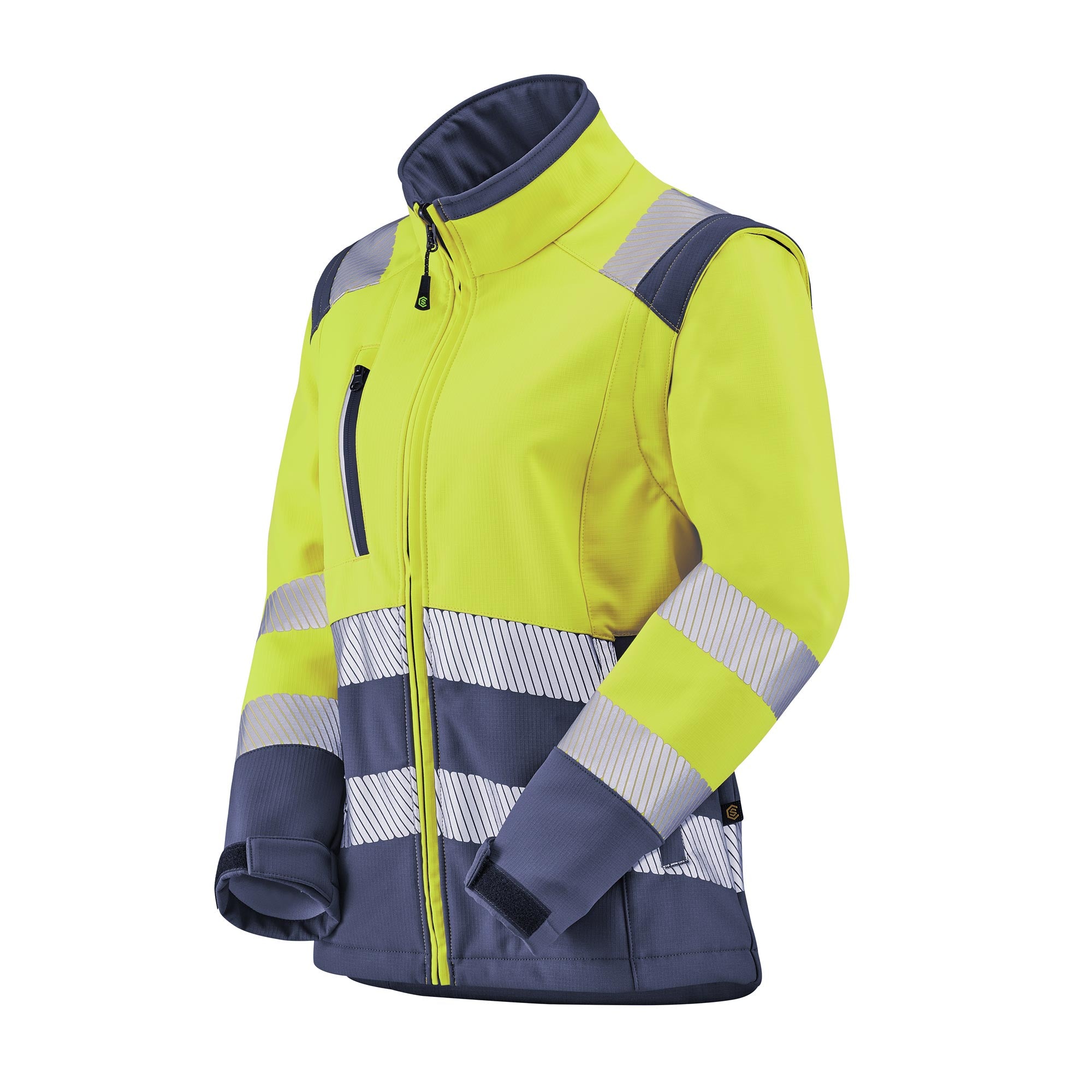
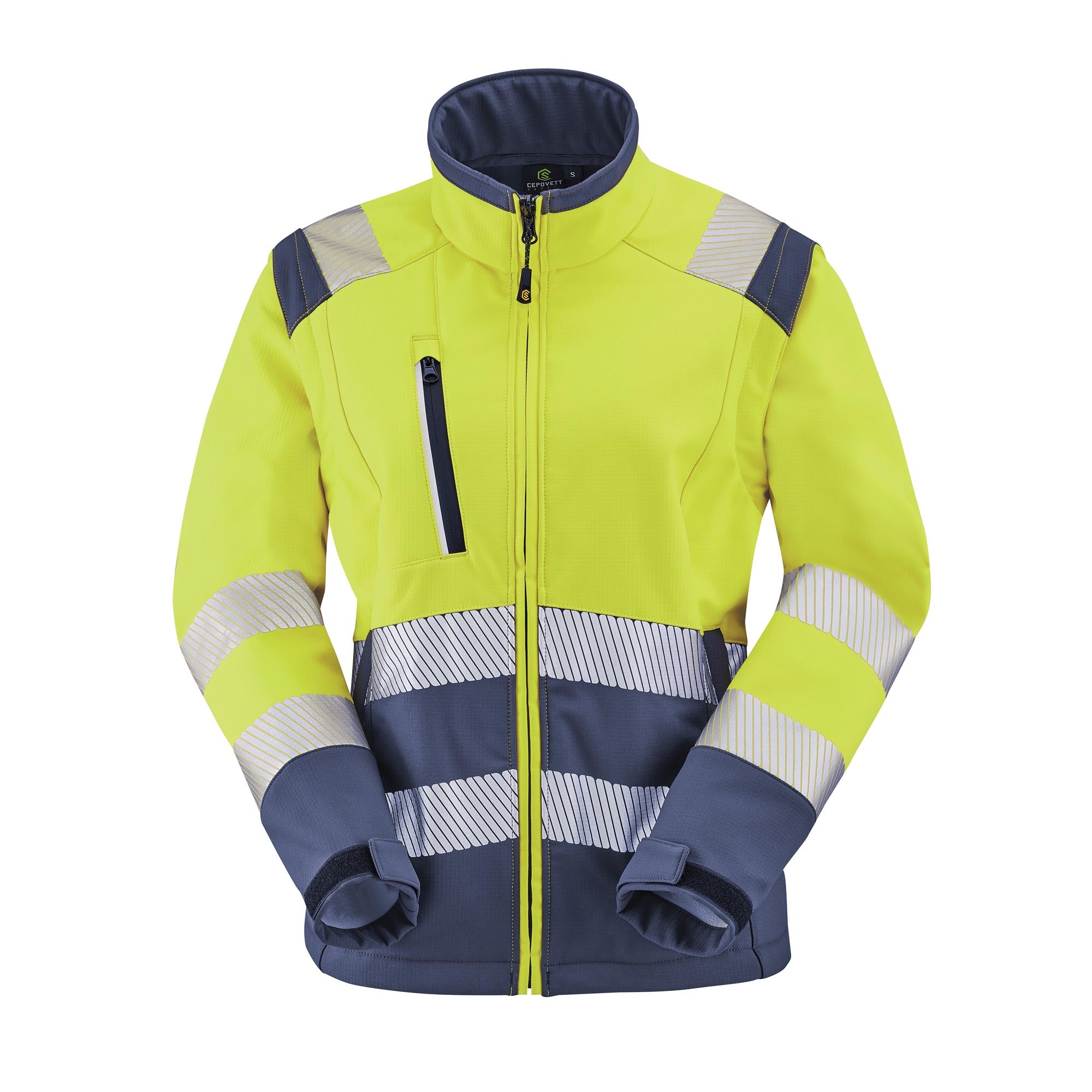
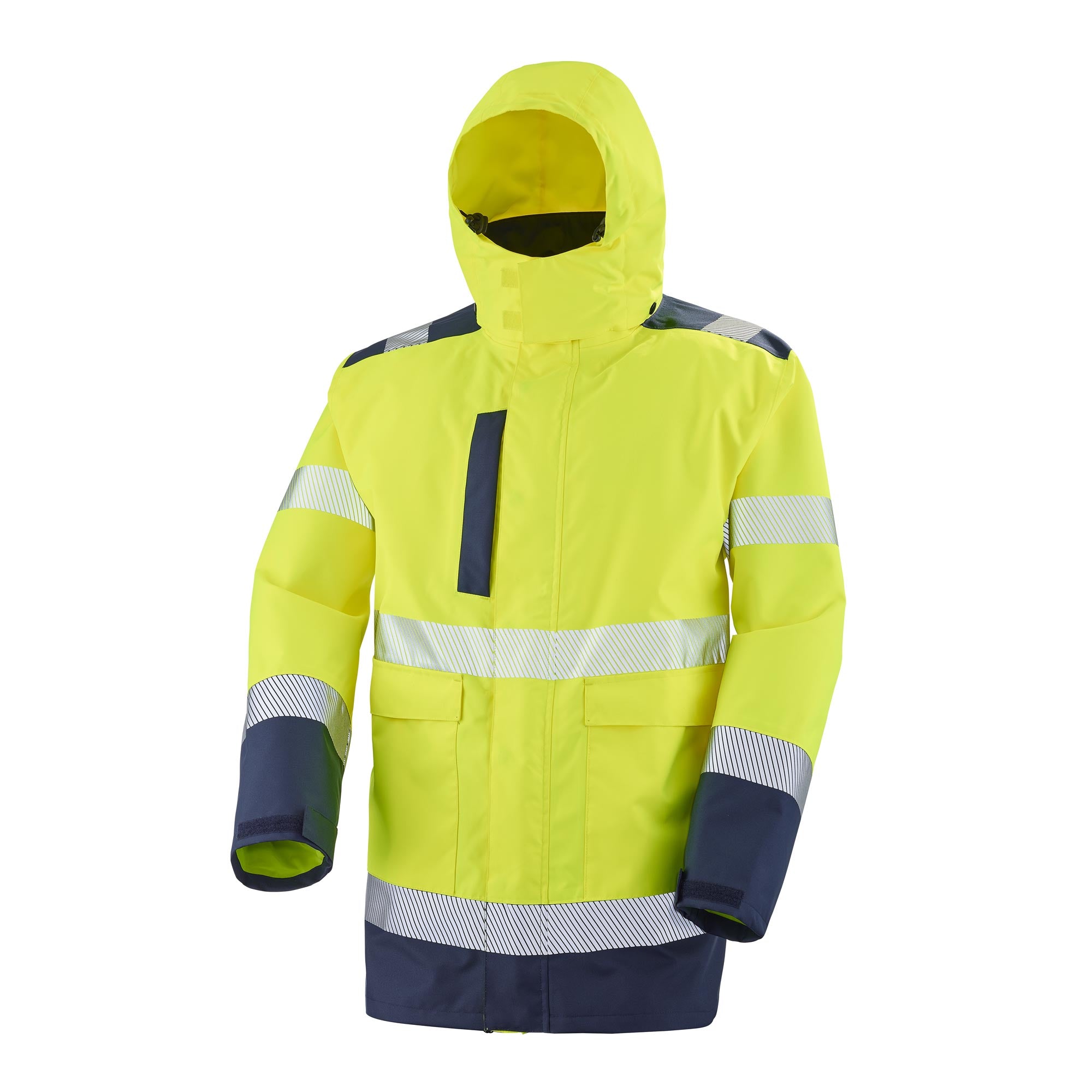
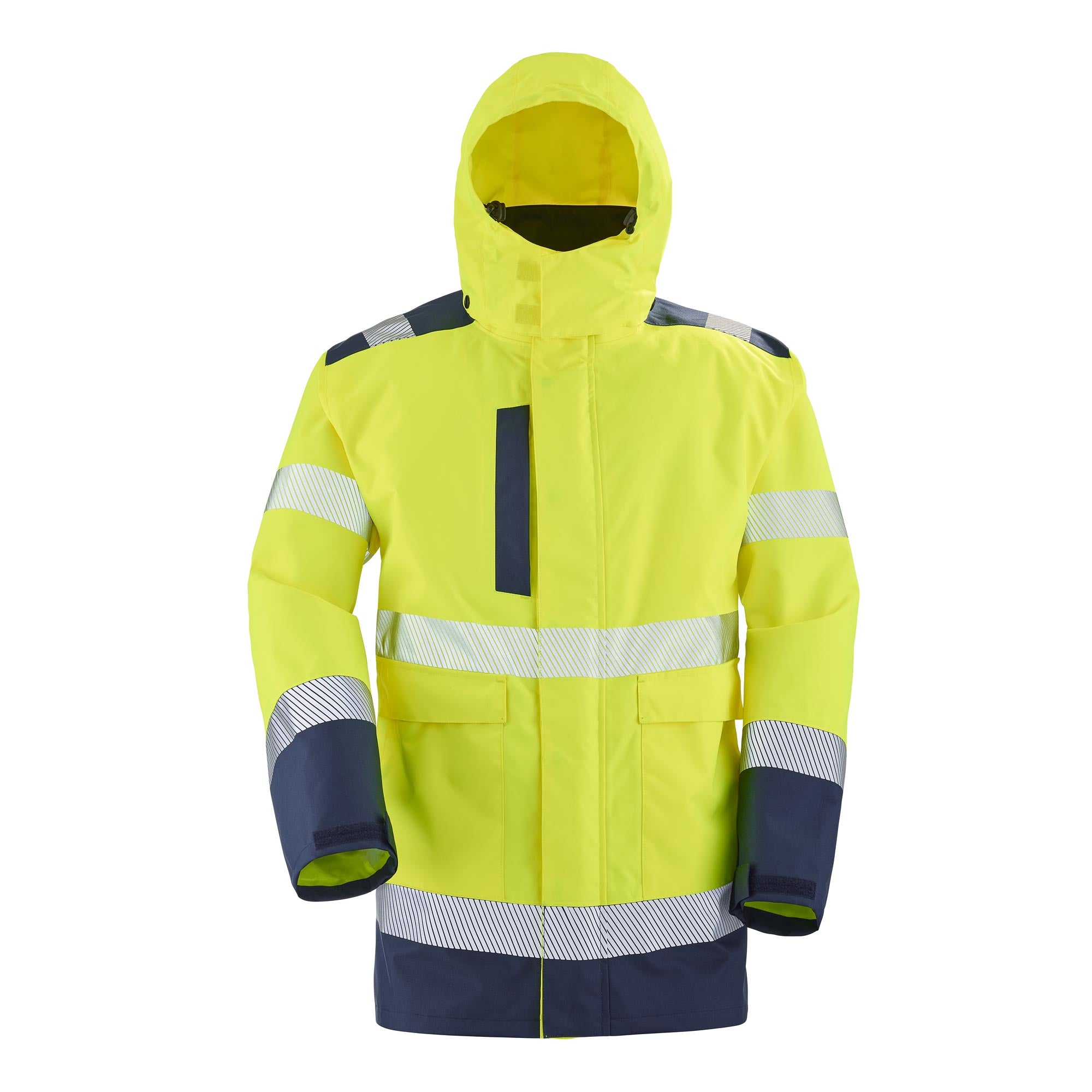
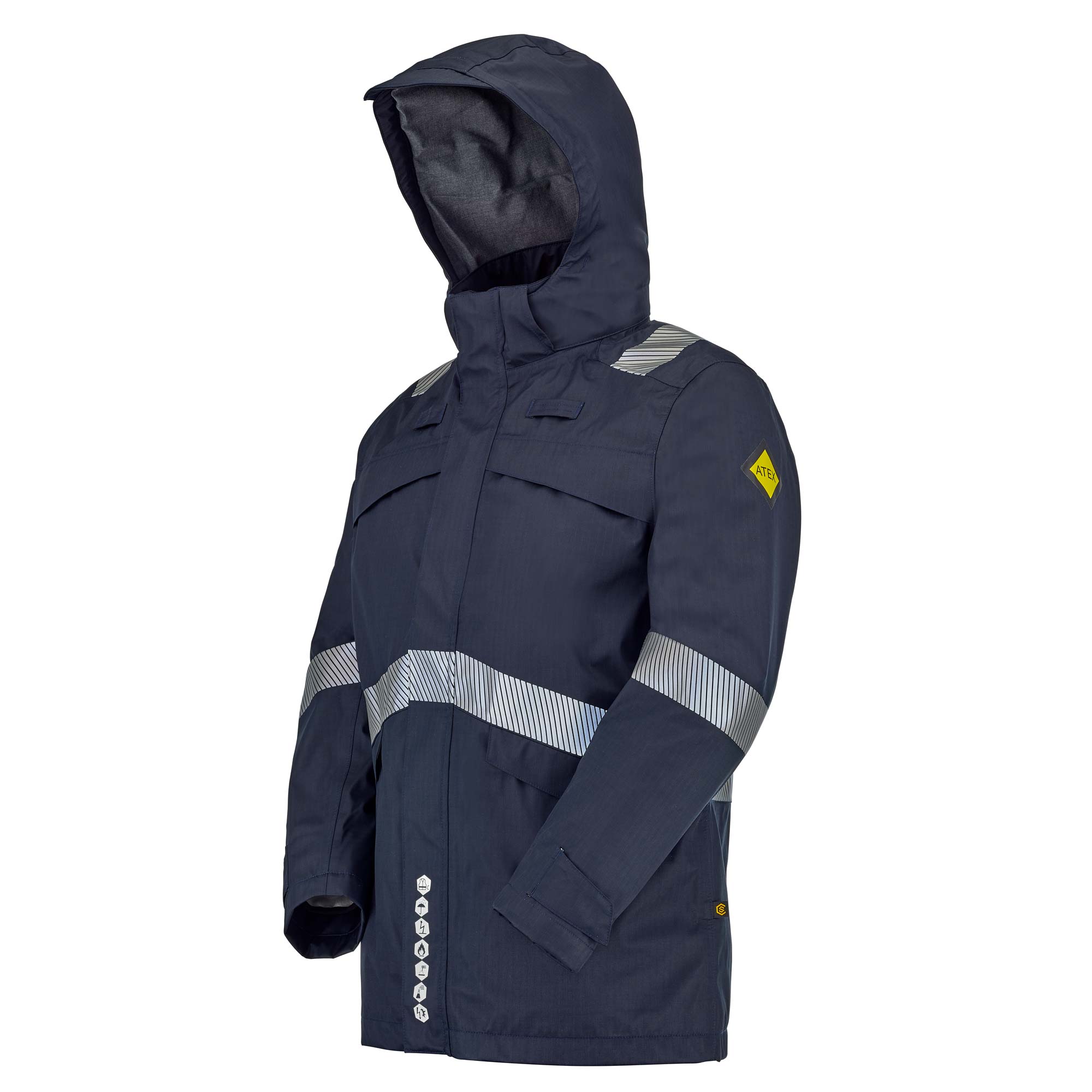
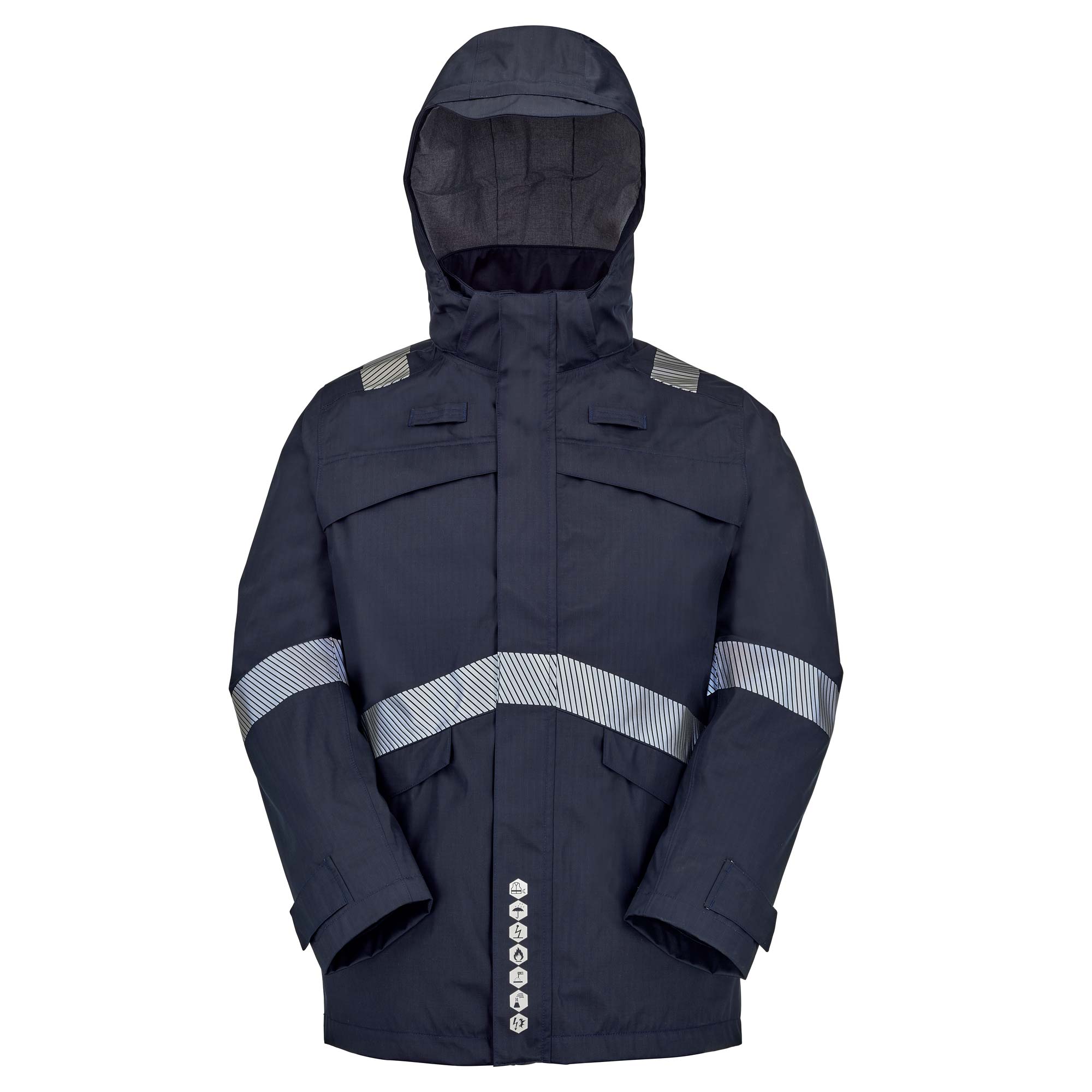
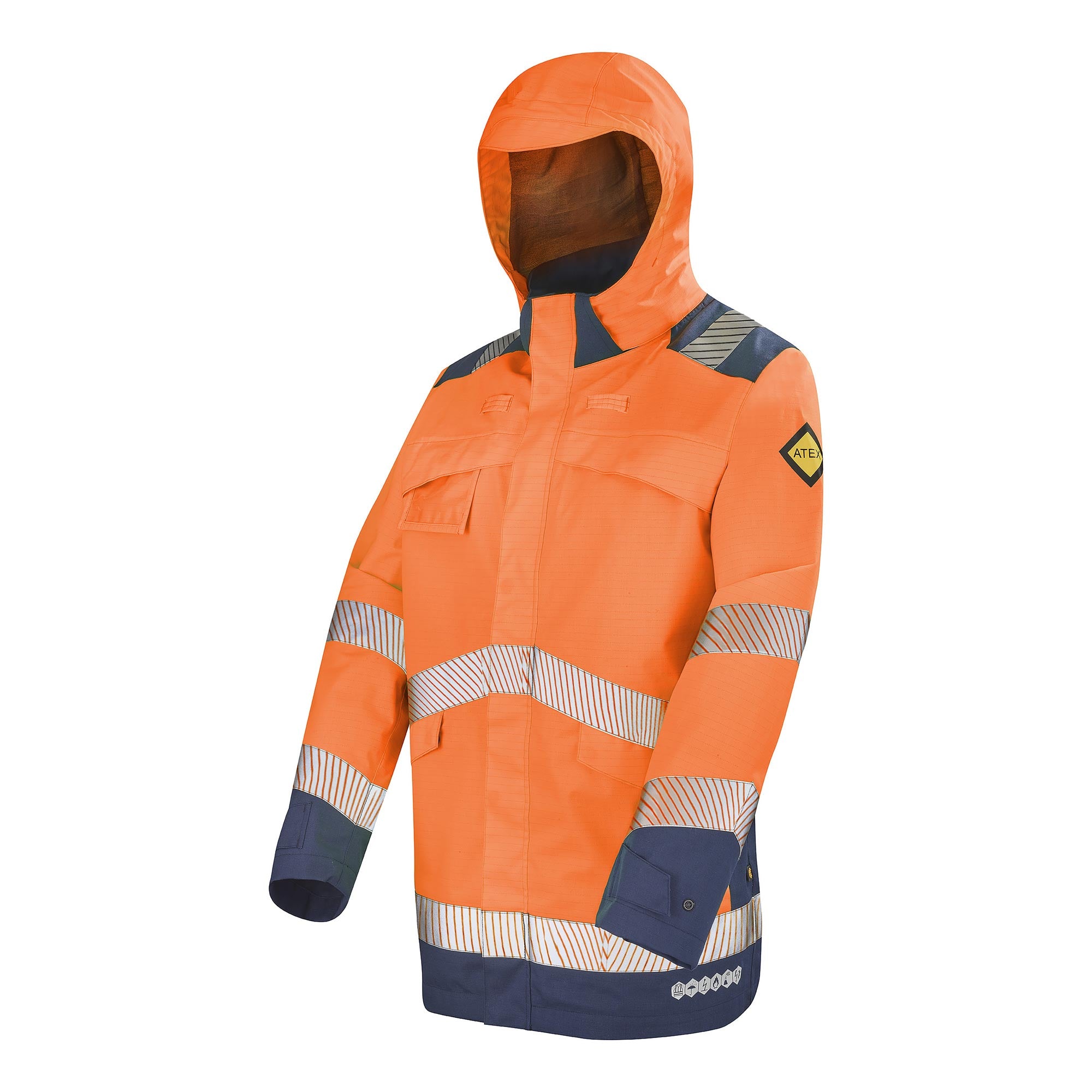
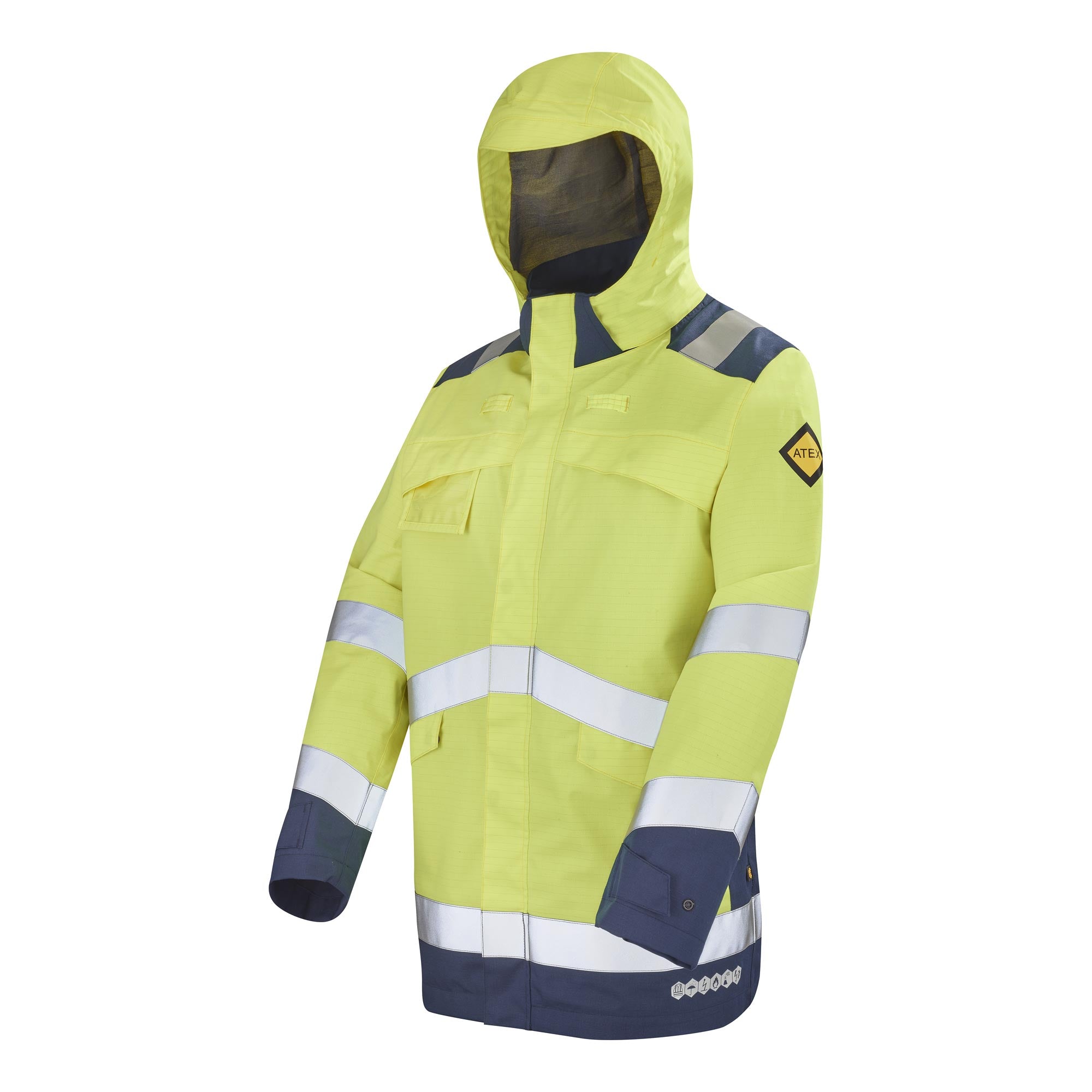
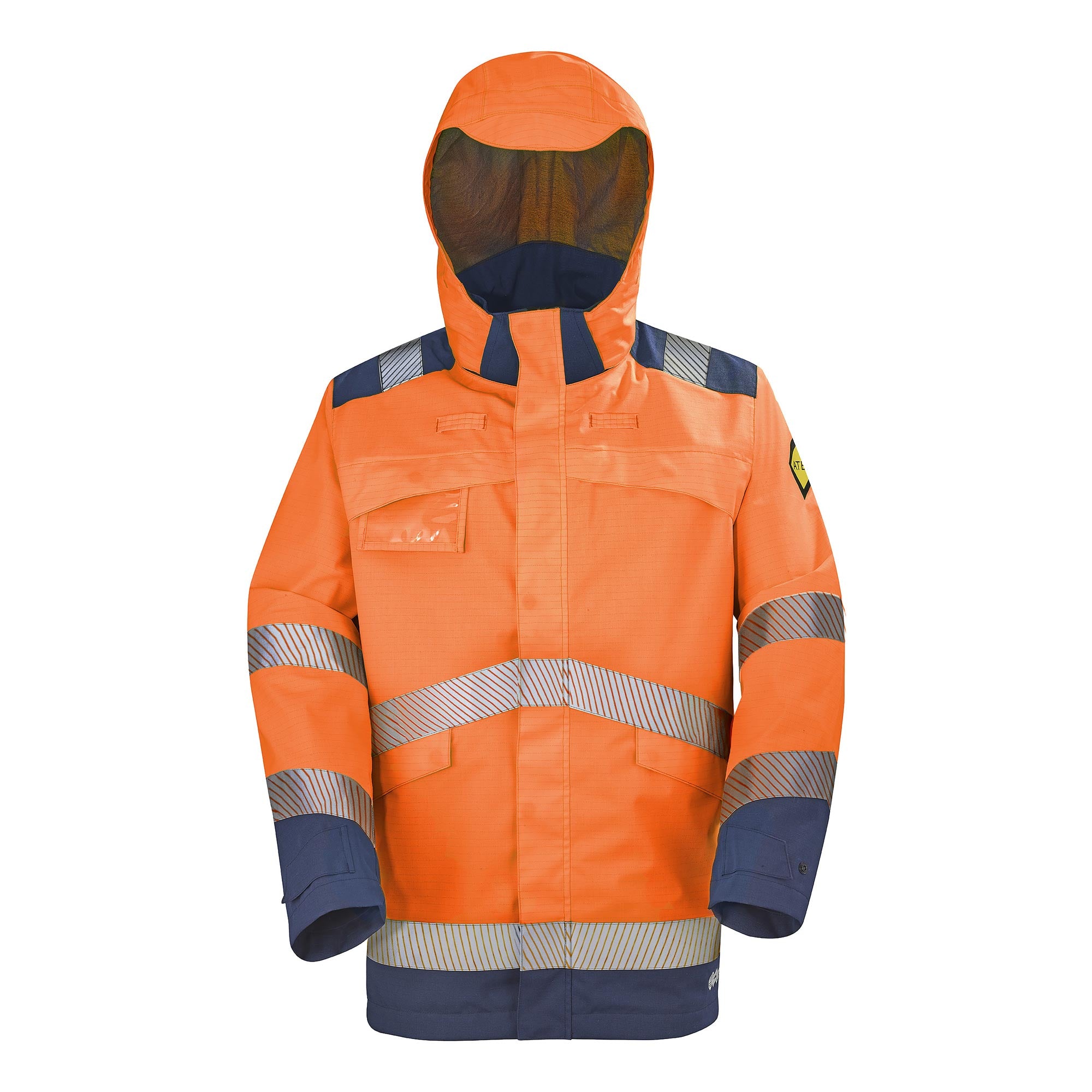
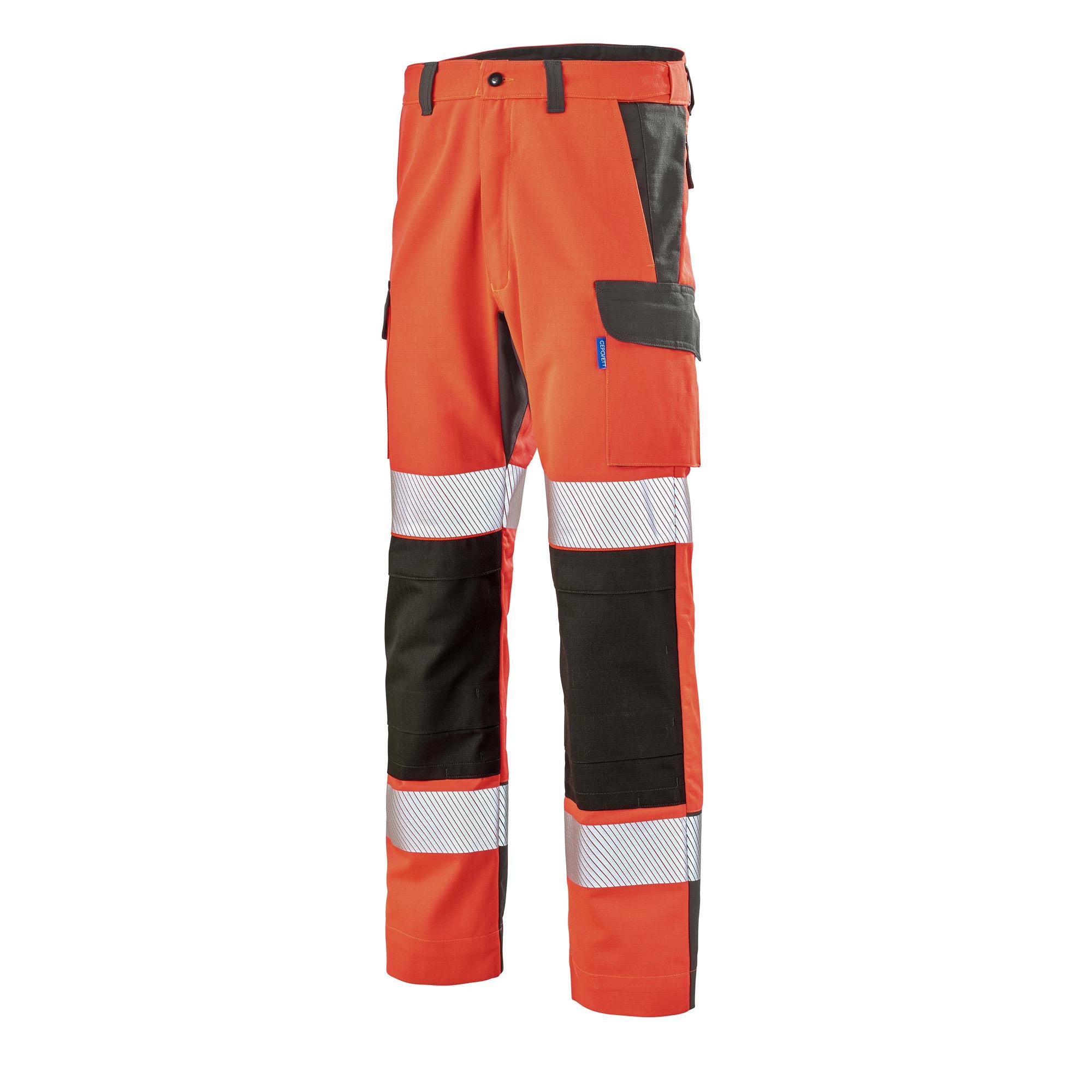
Why Choose EN ISO 20471 Clothing for Your Teams?
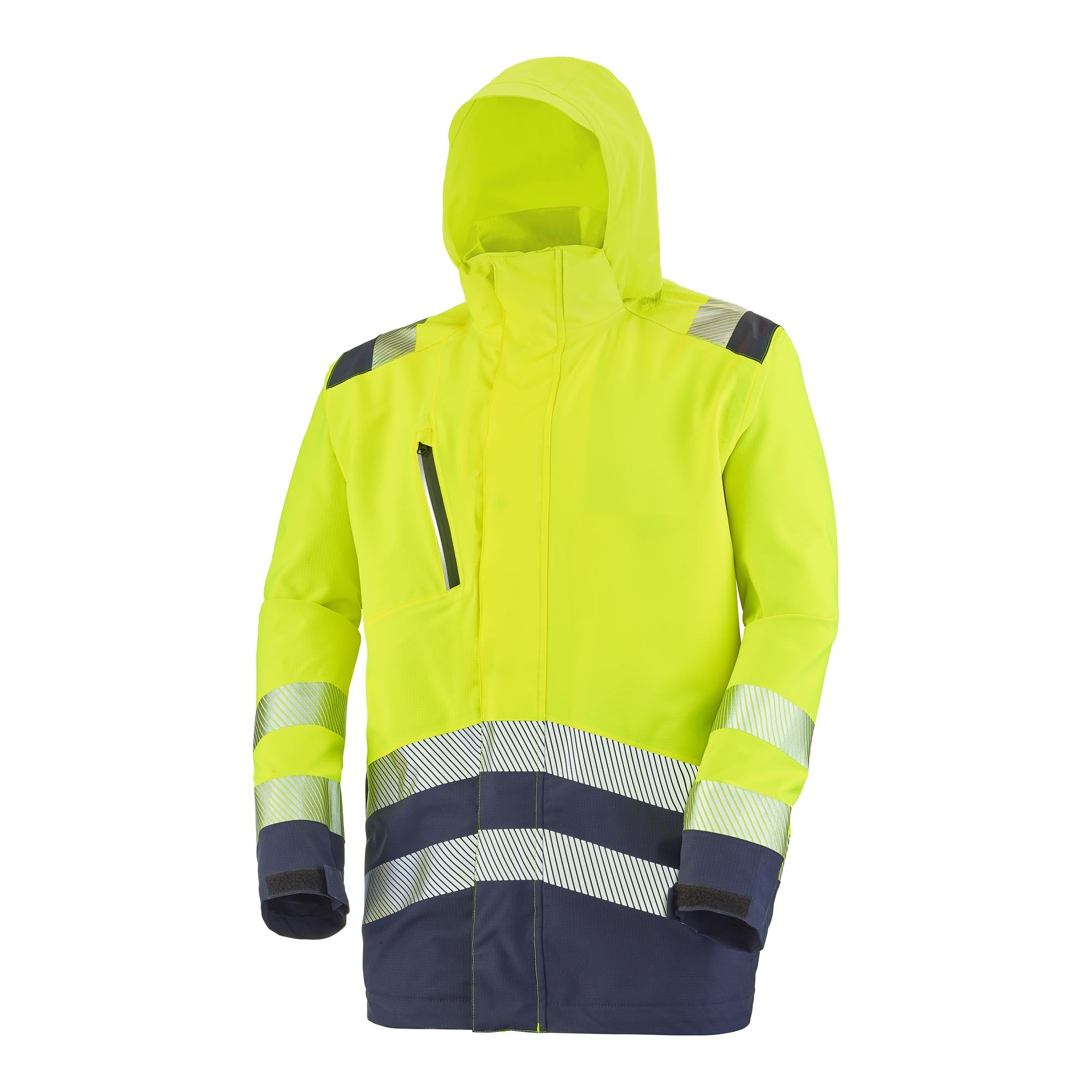
The EN ISO 20471 standard is today the essential reference for any EN ISO 20471 clothing designed for professionals exposed to traffic hazards or reduced visibility conditions. It defines a precise framework to ensure that every high visibility garment provides a sufficient level of body signalling to be detected quickly by drivers or machinery operators. This European regulation aims to reduce accidents by making the wearer visible in all lighting conditions, whether in broad daylight, at dusk, or under artificial lighting. It applies particularly to industrial, logistics, and road environments where safety relies heavily on visual perception. To browse compliant models directly, you can explore the range of certified high visibility clothing, which covers solutions suited to different levels of risk.
Definition and Objectives of the EN ISO 20471 Standard
The EN ISO 20471 standard governs the design of warning clothing to ensure its real-world effectiveness on site. It imposes measurable requirements regarding the surface area of fluorescent fabric and the presence of retroreflective bands. The primary objective is to make every worker immediately visible, even at distance or in cluttered environments. This requirement becomes critical whenever a worker operates near moving vehicles or plant machinery. In practice, a compliant high visibility PPE garment is not merely coloured — it meets a precise technical standard validated through rigorous testing.
- European regulation dedicated to warning and signalling clothing
- Guaranteed visibility day and night
- Mandatory in road and industrial environments
- Precise classification according to visibility level
Visibility Classes: 1, 2 or 3
The classes defined by the standard allow the level of protection to be matched to the actual professional context. Class 1 represents the minimum level and is generally used in moderate-risk or low-traffic environments. Class 2 provides intermediate visibility suited to road maintenance, handling, or logistics roles. Class 3 represents the highest level, recommended for roadworks or high-traffic zones where rapid detection is critical. Each level requires a minimum surface area of fluorescent fabric and reflective bands to ensure optimal legibility. This classification makes it easier to select the most appropriate PPE workwear for each activity.
Technical Requirements for EN ISO 20471 Clothing
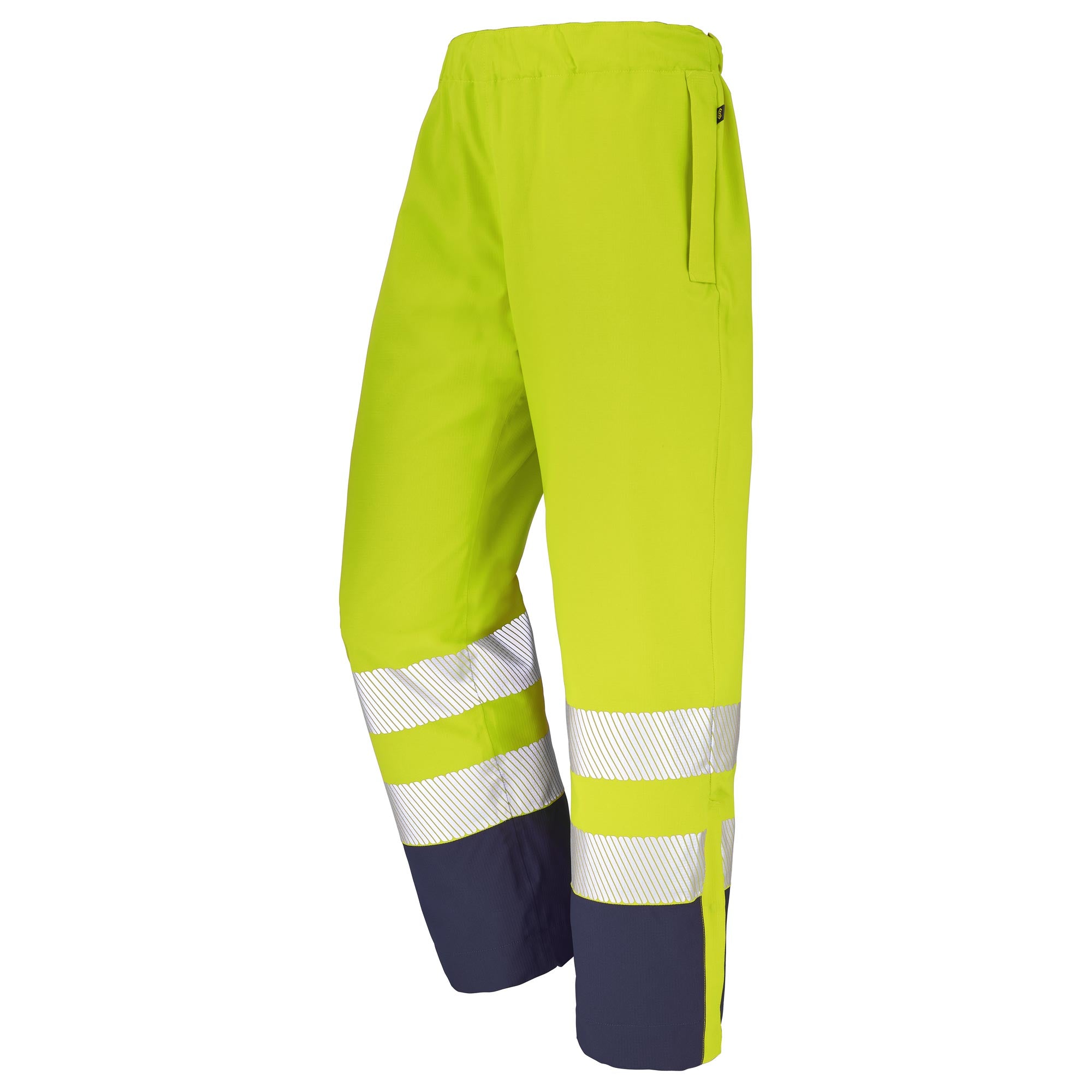
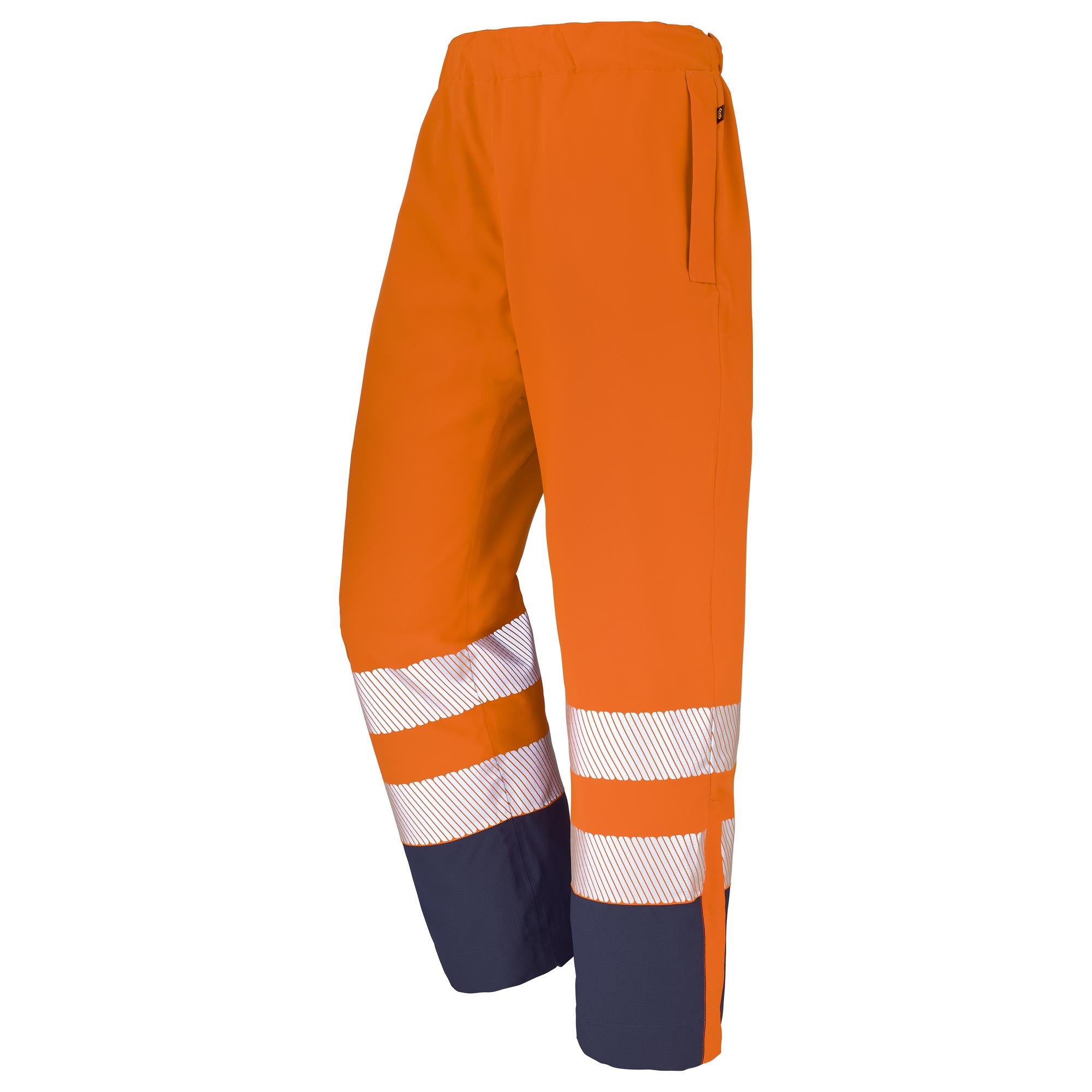
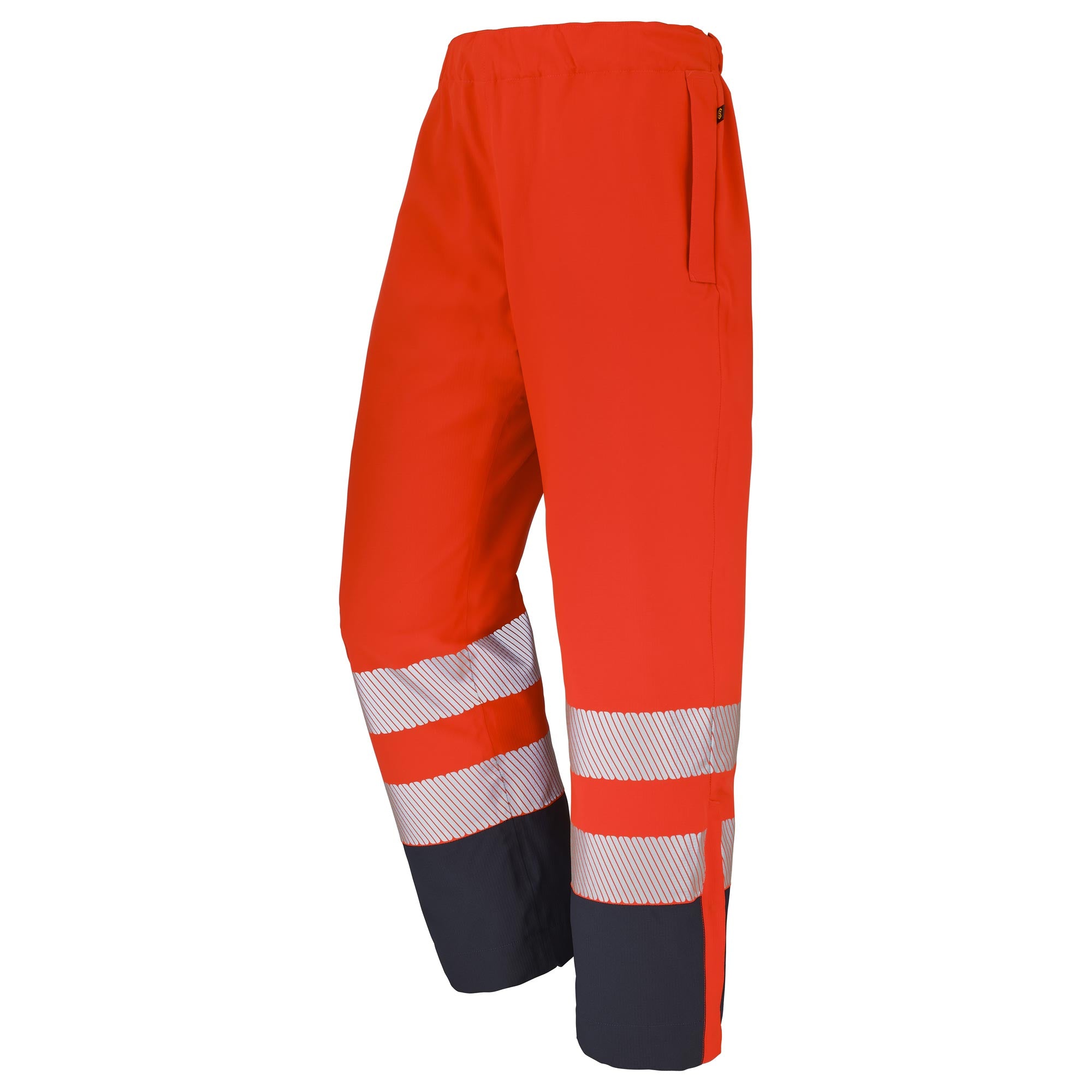
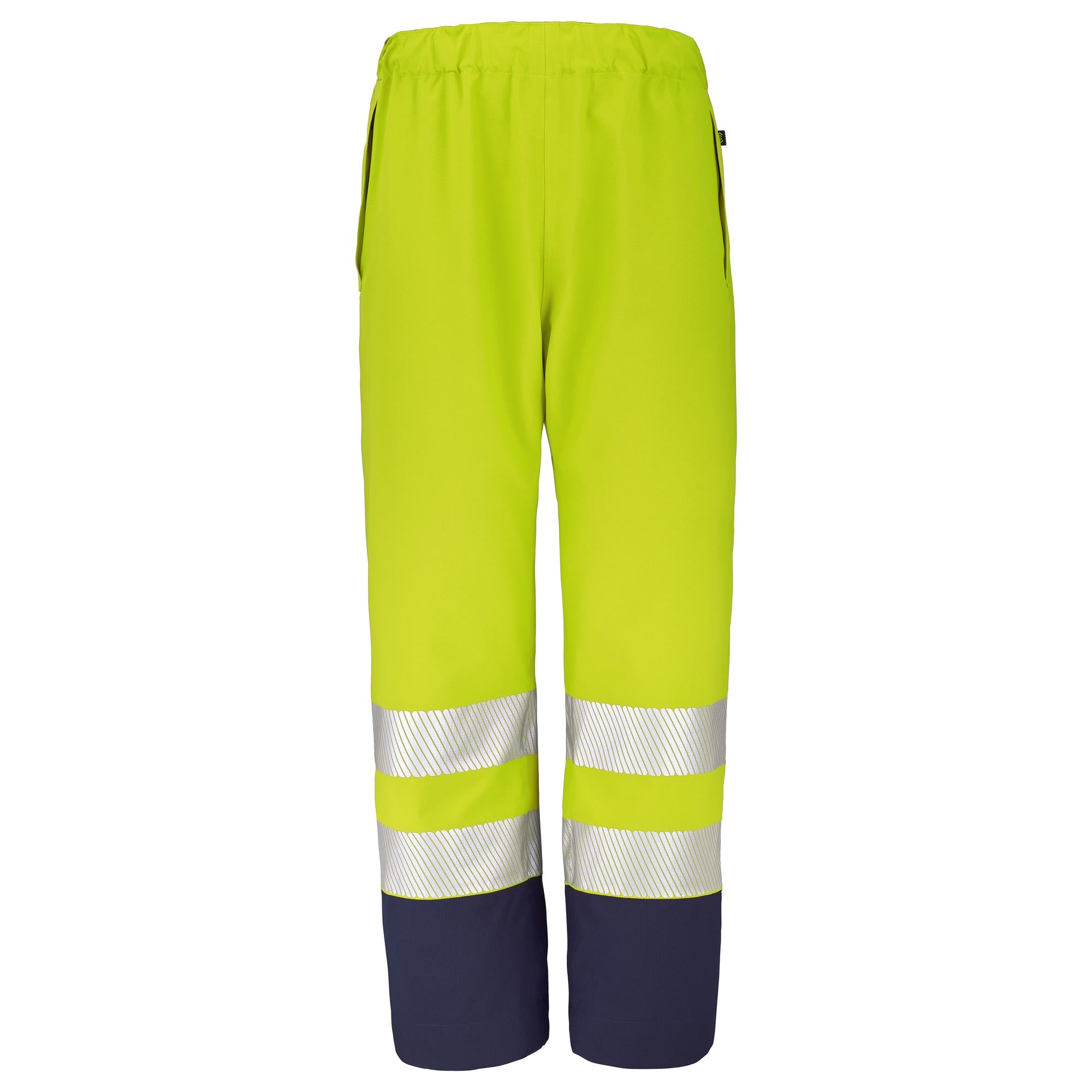
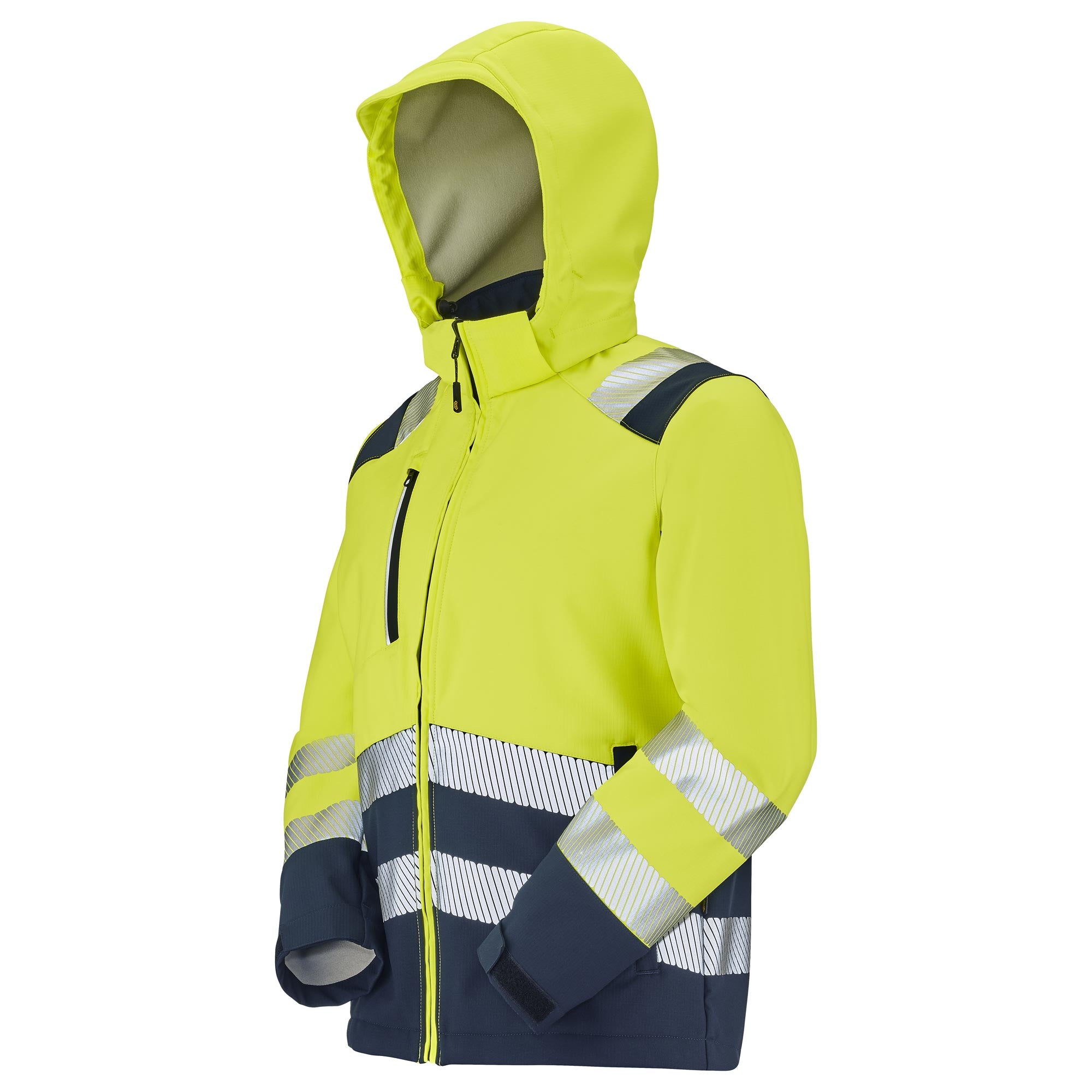
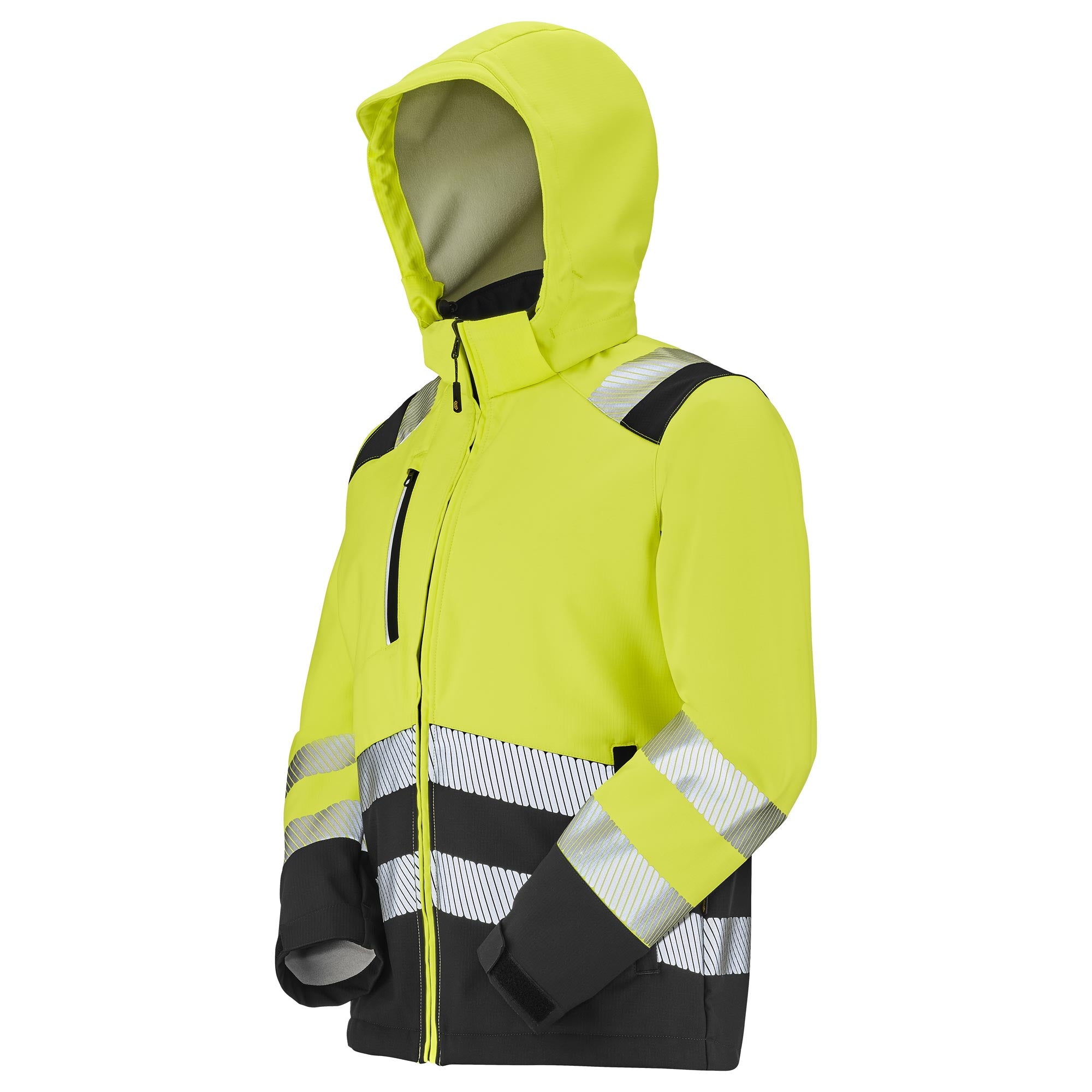
A compliant reflective workwear garment relies on a combination of precise technical characteristics. Certified fluorescent colours — typically yellow, orange, or red — ensure maximum daytime visibility. Retroreflective bands must be positioned strategically to remain visible even when the wearer moves or bends. Materials must also withstand numerous washing cycles without losing their visual properties. This durability ensures that regulation hi-vis workwear retains its effectiveness throughout its entire service life. To complete your protection with other compatible equipment, you can explore the range of certified personal protective equipment.
Which Professionals Need EN ISO 20471 Workwear?
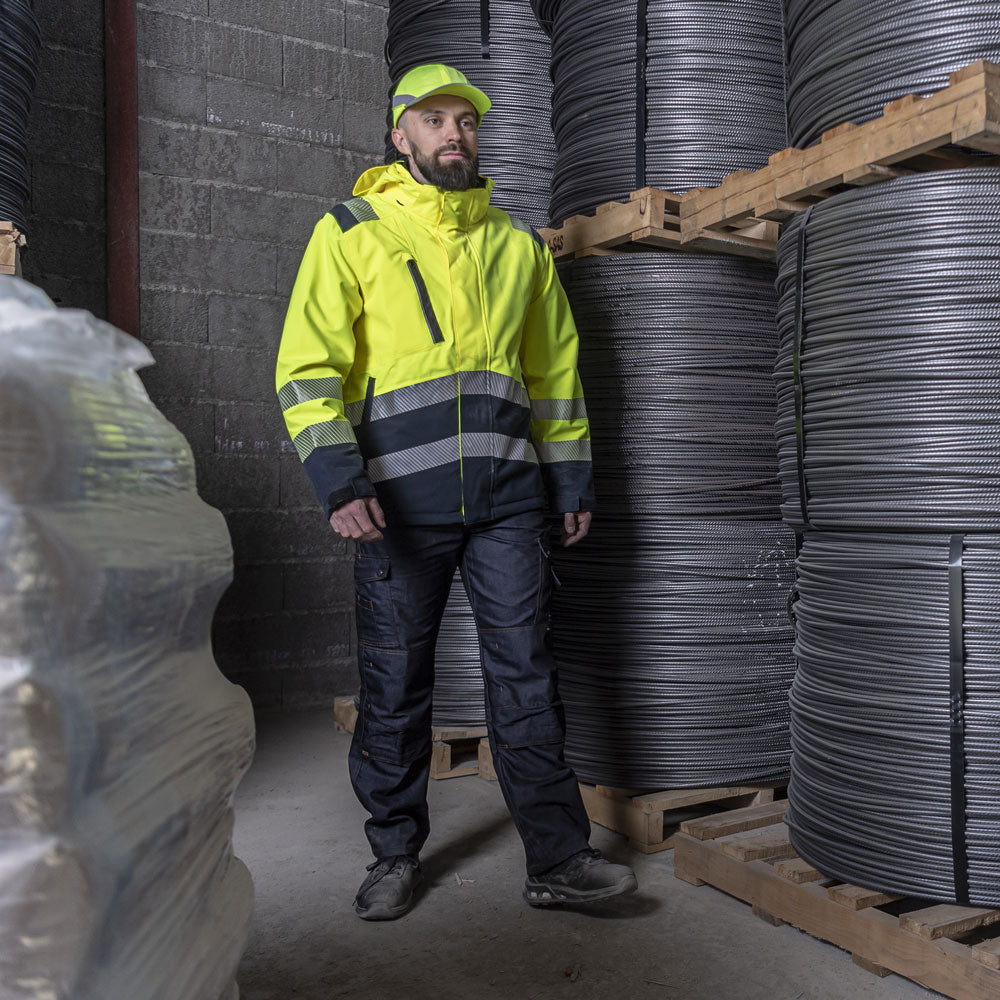
The obligation to wear EN ISO 20471 clothing depends primarily on the risk assessment carried out by the employer. Whenever a worker operates in an area where vehicles are in circulation, visibility becomes a decisive safety factor. Wearing high visibility workwear helps reduce collisions and improve coordination between teams. This requirement applies to numerous sectors where co-activity and frequent movement are common. In these environments, body signalling is an essential element of risk prevention.
Construction and Civil Engineering
In the construction sector, operatives often work at roadsides or on routes open to traffic. Vehicles may pass at high speed, making immediate visibility absolutely essential. Regulatory obligations require employers to equip their teams with high visibility PPE appropriate to their level of exposure. Construction sites also involve the movement of heavy plant, which creates multiple blind spots. Compliant workwear therefore improves both collective and individual safety.
Highways and Utilities
Highways maintenance workers and utilities technicians work daily in dynamic urban environments. They carry out maintenance, inspection, and repair operations on critical infrastructure. These tasks expose them directly to traffic and pedestrian movement. Wearing reflective workwear allows them to be spotted instantly by road users. This visibility significantly reduces the risk of accidents.
Industry and Logistics
On industrial sites and logistics platforms, the movement of motorised vehicles represents a constant hazard. Operatives move between storage areas, loading bays, and traffic lanes. High-activity warehouses require clear visual signalling to prevent collisions. EN ISO 20471 clothing becomes an indispensable part of any safety strategy in these settings. It helps streamline movement and secure the working environment.
How to Choose the Right EN ISO 20471 Clothing for Your Activity?
Choosing EN ISO 20471 clothing goes beyond selecting a size or a colour. It requires analysing exposure conditions, weather constraints, and compatibility with other equipment. An informed choice improves safety, comfort, and garment durability. It also helps avoid costly purchasing errors and premature replacements. Above all, it ensures lasting regulatory compliance.
Identifying the Required Protection Class
The first step is to assess the level of risk associated with the working environment. Vehicle speed, sightline distance, and frequency of traffic flow directly influence the class required. A thorough assessment enables the selection of truly appropriate personal protective equipment. This approach avoids dangerous under-protection or unnecessary over-specification. It forms the foundation of an effective safety strategy.
Taking Weather Conditions into Account
Weather conditions significantly influence the choice of high visibility clothing. Waterproof jackets and lined parkas are suited to cold or wet environments, while lightweight garments adapt to warmer periods. Breathable options improve comfort during prolonged physical effort. For wet conditions, a model such as the Petra parka or the Pamir waterproof overtrouser can effectively complete an outfit. For cooler temperatures, the Veny fleece provides a suitable mid-layer.
Compatibility with Other PPE
EN ISO 20471 clothing must be wearable alongside other protective equipment without compromising its effectiveness. It must remain compatible with harnesses, helmets, and fall arrest equipment. Combination with multi-risk garments may also be necessary depending on the activity. Layering must preserve overall visibility and protect vulnerable areas from exposure. This coherence ensures comprehensive protection.
Durability and Frequency of Use
Robustness is an essential criterion for intensive professional use. Fabrics must withstand abrasion, friction, and frequent washing. Fluorescent colours must remain visible over time. Reflective bands must retain their reflective capacity throughout the garment's service life. This durability represents a sound and cost-effective investment for any business.
Cepovett Safety's Quality Commitments for EN ISO 20471 Clothing
The performance of EN ISO 20471 clothing depends directly on the manufacturer's expertise. Cepovett Safety develops its products to strict requirements to guarantee their compliance and real-world effectiveness. Manufacturing processes include rigorous quality checks at every stage. Raw materials are selected for their reliability and resistance. This approach ensures consistent performance across the entire range.
Manufacturing Compliant with European Requirements
Every product meets the criteria of the EN ISO 20471 standard to ensure optimum visibility. Compliance testing verifies material quality and finishing standards. Full traceability allows component origins to be identified at any time. This rigour guarantees lasting reliability. It strengthens the confidence of professionals and procurement teams alike.
Robust Technical Fabrics
The fabrics used are engineered to withstand the real demands of fieldwork. Reinforced stitching improves the overall strength of each garment. Ergonomic design optimises freedom of movement. Superior comfort encourages extended wear without discomfort. This combination of qualities ensures consistent performance in all conditions.
Recognised Expertise in High Visibility PPE
As a specialist in safety PPE workwear, Cepovett Safety offers ranges tailored to demanding trades. Solutions cover the needs of construction, industry, and logistics. Every product is designed for intensive professional use. This expertise enables precise responses to real on-site constraints. It establishes the brand as a leading authority in the field.
Why Integrate EN ISO 20471 Clothing into Your Prevention Policy?
Integrating EN ISO 20471 clothing into a safety strategy is far more than a regulatory formality. It improves the visual detection of workers and secures intervention zones. This visibility reduces accident risk and strengthens team coordination. It also simplifies internal compliance monitoring. By adopting this equipment, businesses demonstrate a genuine commitment to workplace safety.
Reducing Accident Risk
Reflective workwear makes the wearer immediately visible, even at a distance. This rapid detection limits collisions with vehicles or machinery. It secures movement within work zones. It enhances visual communication between teams. This protection is a key component of professional safety management.
Professional Image and Regulatory Compliance
Regulation hi-vis workwear strengthens a company's credibility with partners and clients. It ensures compliance with Health and Safety at Work obligations. It creates a consistent visual identity across team members. It demonstrates the importance placed on workforce safety. This professional image reflects well on the entire organisation.
Care and Maintenance of EN ISO 20471 Clothing
EN ISO 20471 clothing retains its performance only when properly maintained. Following the manufacturer's washing instructions prevents damage to fluorescent fibres. Wash temperatures must be appropriate to preserve the textile structure. The use of fabric softener can reduce the reflectivity of the bands and should be avoided. Correct care extends the service life of the garment considerably.
Regular Inspection of Visual Performance
Periodic inspection ensures the garment remains compliant for continued use. Reflective bands must be intact and bright. Fading of fluorescent fabric is a clear sign of wear. Damaged garments must be replaced promptly. This vigilance guarantees consistent protection at all times.