Why choose EN ISO 11611 clothing for welding work?
What is the EN ISO 11611 standard?
Welding exposes operators to a set of thermal risks specific to this activity: molten metal projections, sparks, radiant heat from the arc or flame, and ignition of clothing upon contact with a spark. The EN ISO 11611 standard was developed specifically to regulate protection against these risks associated with welding and related techniques such as plasma cutting, brazing, or gas-shielded arc welding.
An EN ISO 11611 certified garment is a flame retardant, which means it slows the spread of fire on the fabric and protects the skin long enough for an emergency reaction. It does not make the wearer invulnerable to projections, but it considerably reduces the severity of potential burns.
Class 1 or Class 2: which protection to choose based on your welding activity?
The EN ISO 11611 standard defines two levels of protection based on the intensity of risks associated with welding work. These two classes allow adapting PPE to the operator's actual workstation, without over-equipping or under-equipping.
- Class 1: protection suited to welding techniques with low projection risks, such as TIG welding or brazing. The risk of ignition and projection is limited.
- Class 2: reinforced protection for techniques generating high risks of projections and heat, such as flux-cored arc welding, MIG/MAG welding, or plasma cutting. This level is recommended for intensive industrial environments.
The choice between Class 1 and Class 2 must be based on a workstation risk analysis, taking into account the welding process used, the frequency and duration of exposure, and the overall work environment.
Welding-related risks that justify EN ISO 11611 clothing
Why do projections and sparks require certified PPE?
During a welding operation, molten metal particles are projected in all directions. These projections can reach several hundred degrees and become embedded in ordinary textiles, causing burns that sometimes develop after the operation has ended. EN ISO 11611 clothing is designed to resist these projections: flame-retardant fibres do not absorb molten metal, which bounces off or slides across the textile surface without causing ignition.
Radiant heat and flames
The welding arc generates intense radiant heat that can cause skin burns even at a certain distance. The oxyacetylene welding flame or plasma cutting directly exposes the operator to very high temperatures. EN ISO 11611 certified garments meet radiant heat resistance and flame spread tests that guarantee effective protection under these conditions.
Demanding work environments
Welding work takes place in highly varied environments: manufacturing workshops, construction sites, metallurgical industry, industrial site maintenance, and confined spaces. Each of these contexts adds specific constraints: humidity, dust, mechanical stresses, and layering with other PPE. EN ISO 11611 clothing must therefore be robust, adaptable, and compatible with all protective equipment worn simultaneously.
The different types of EN ISO 11611 clothing
Welding jackets and blousons
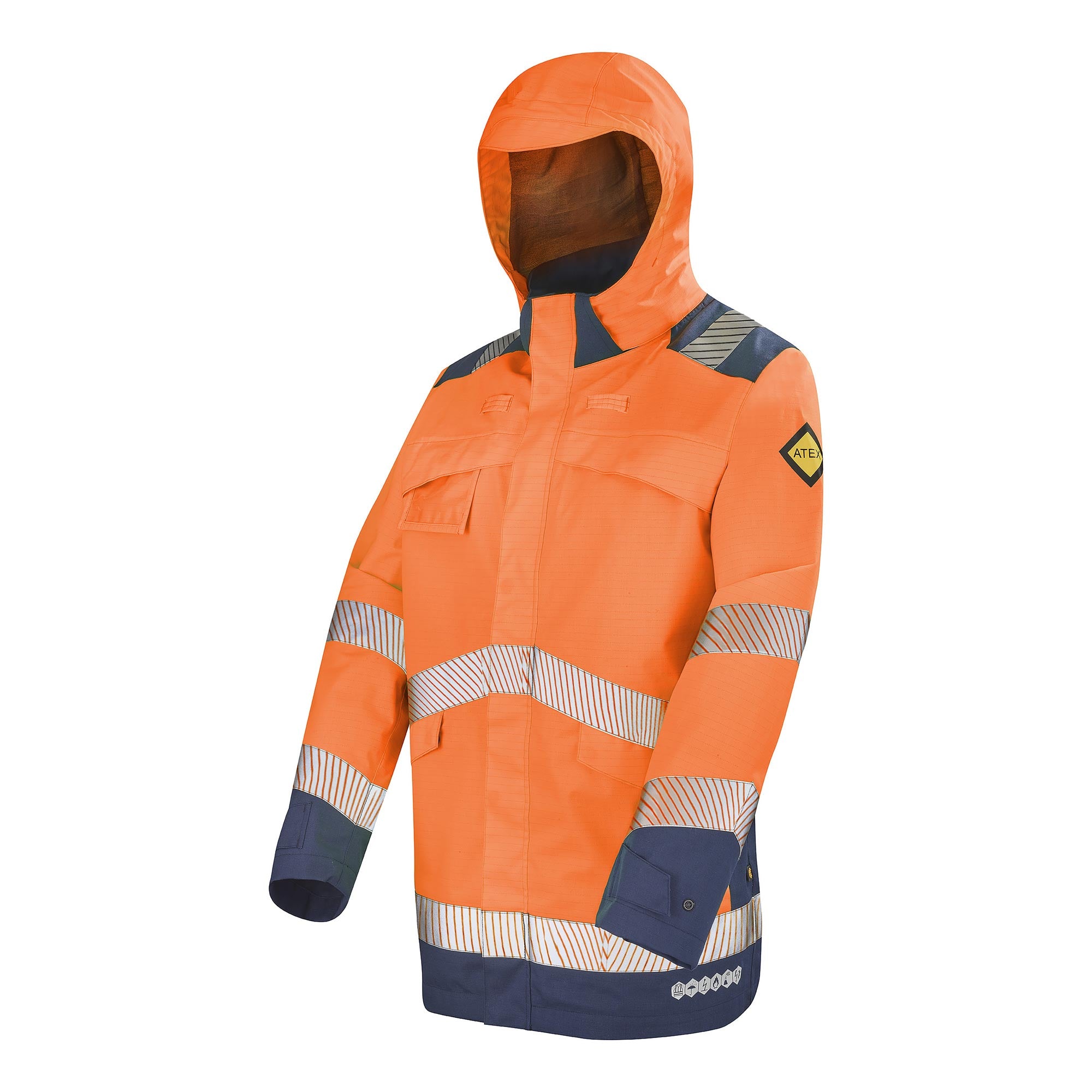
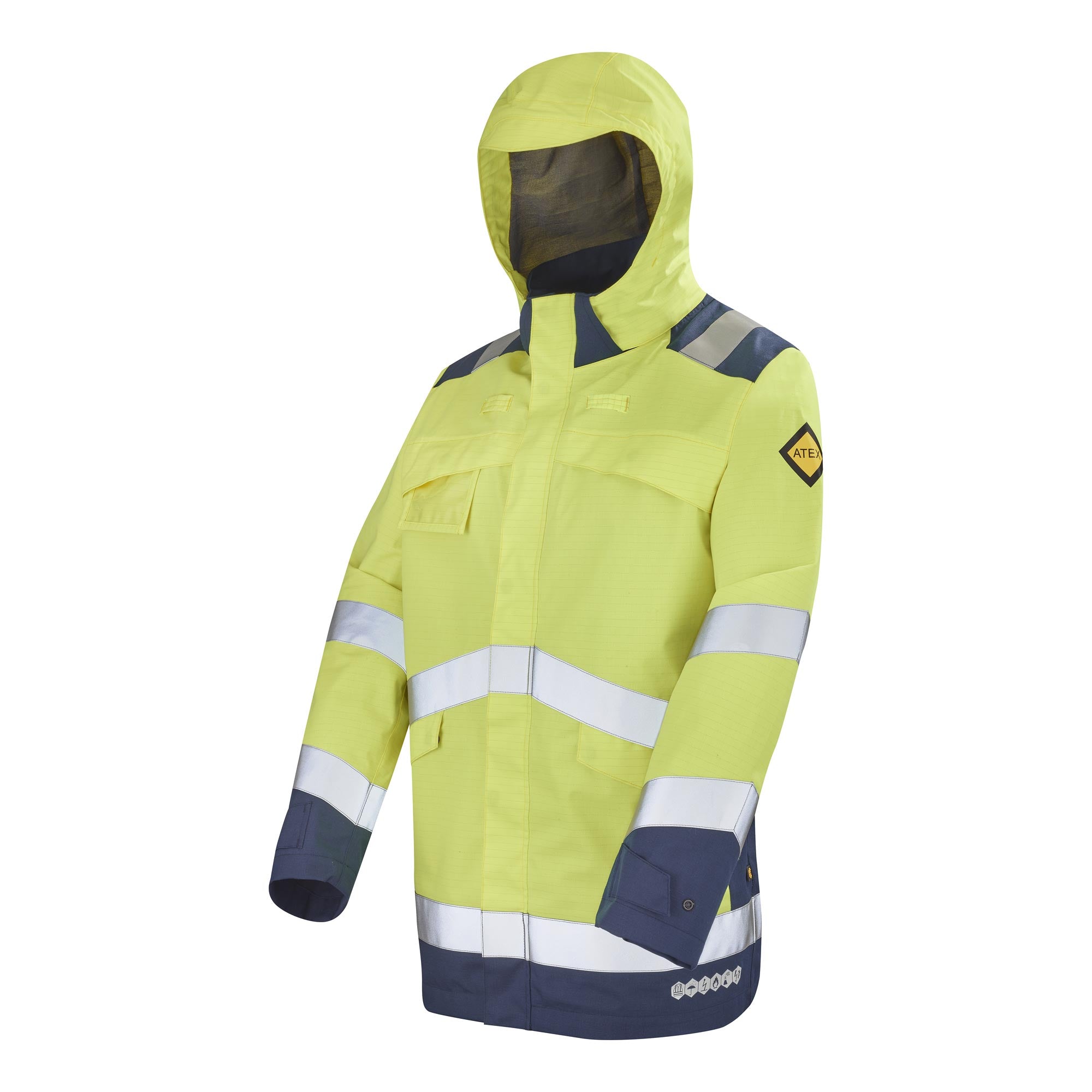
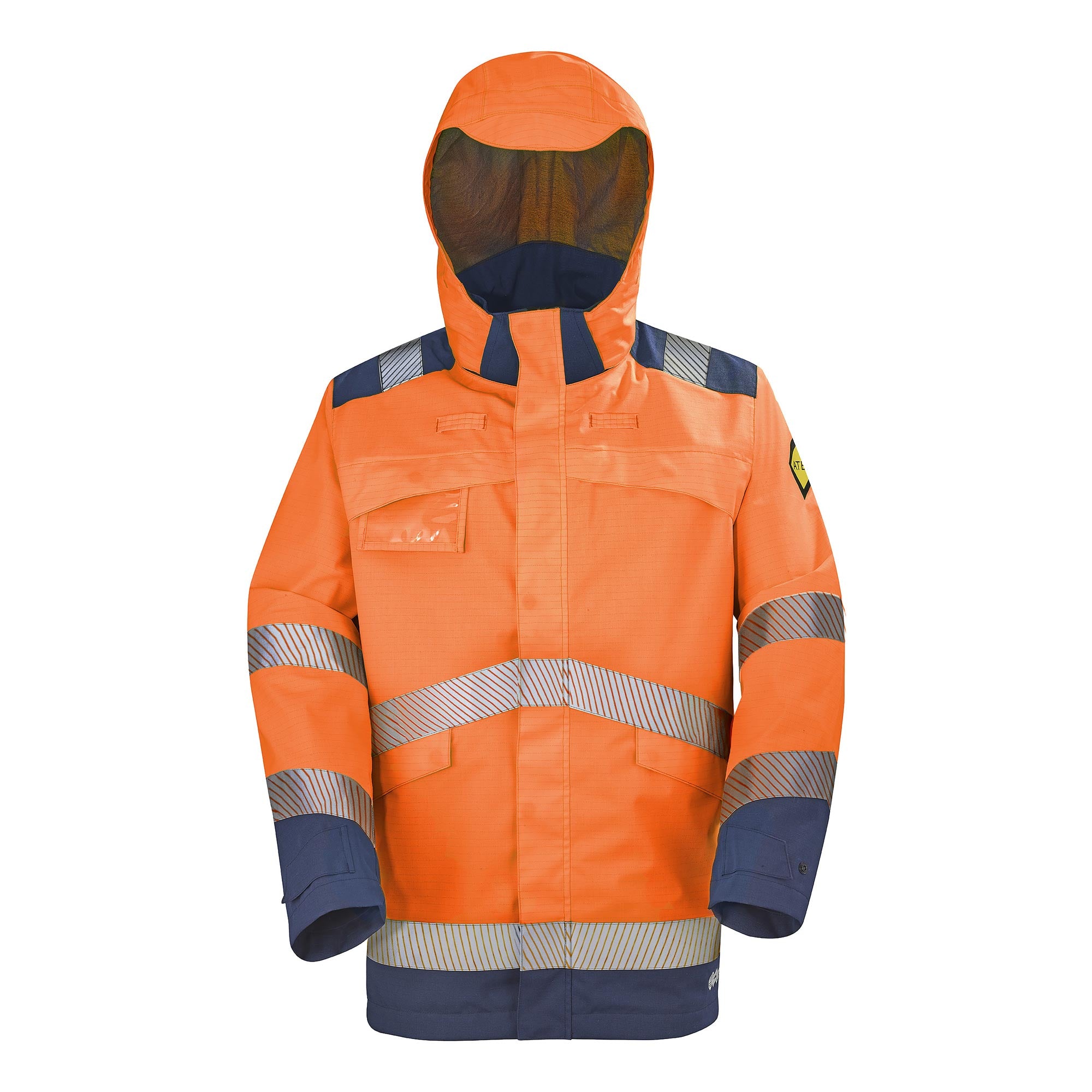
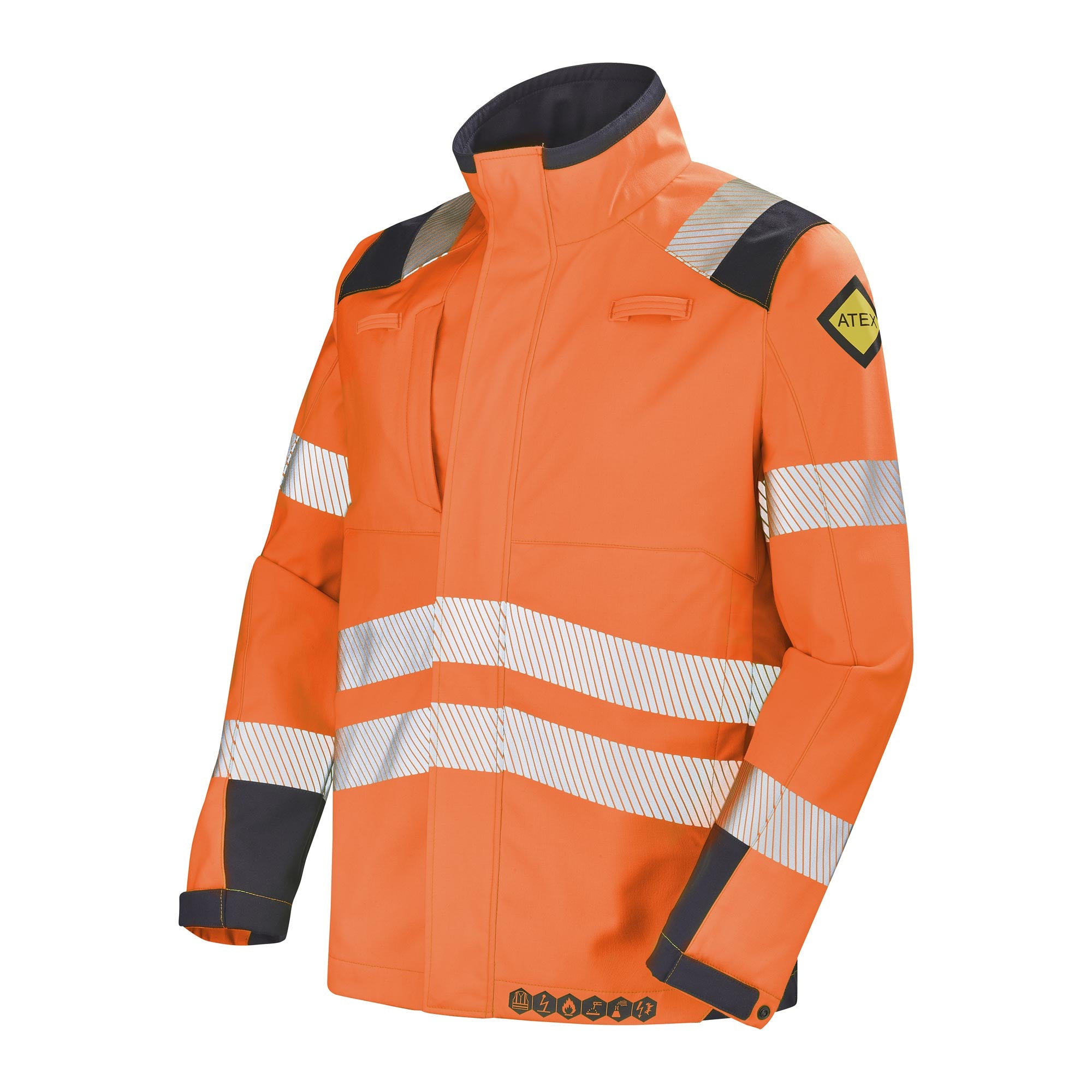
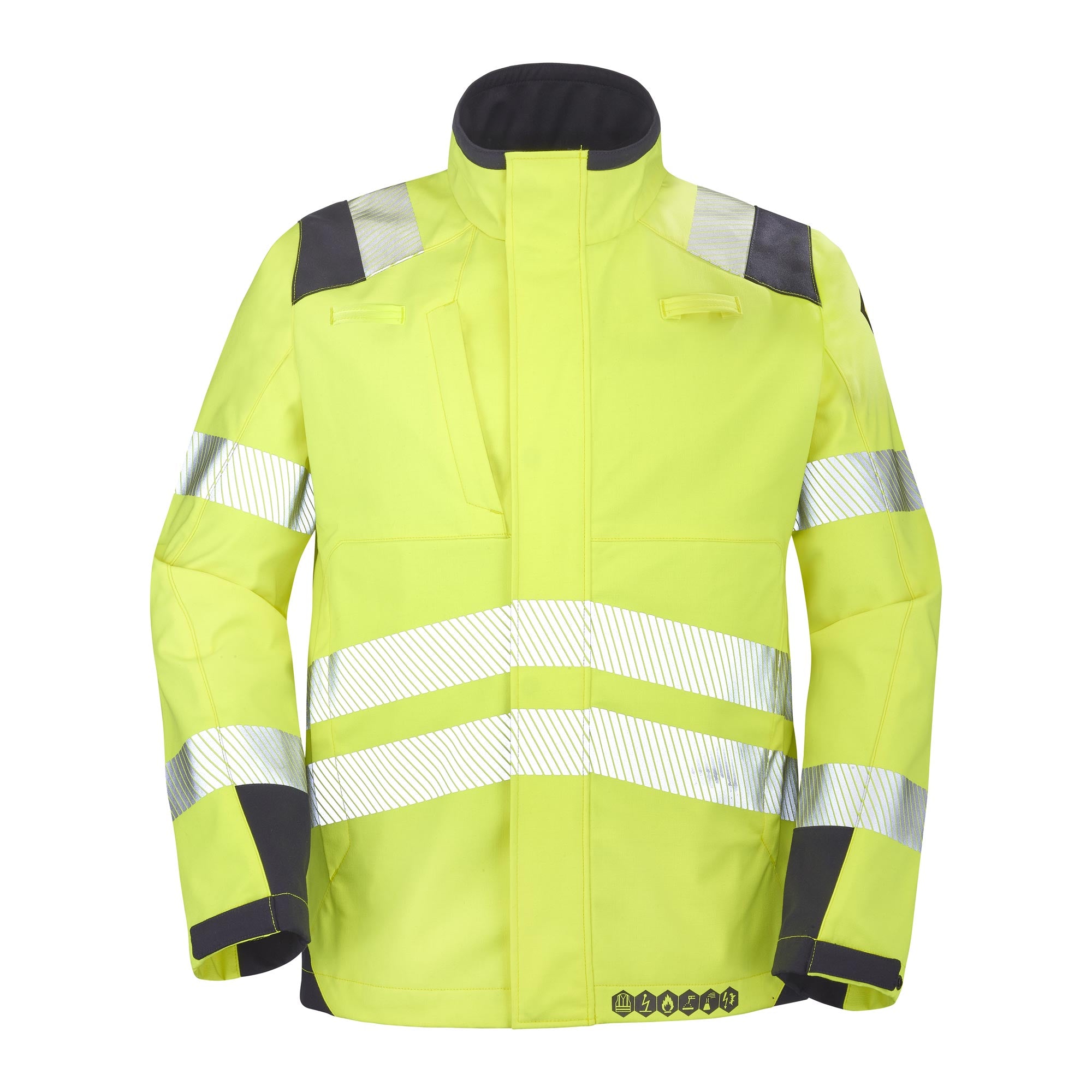
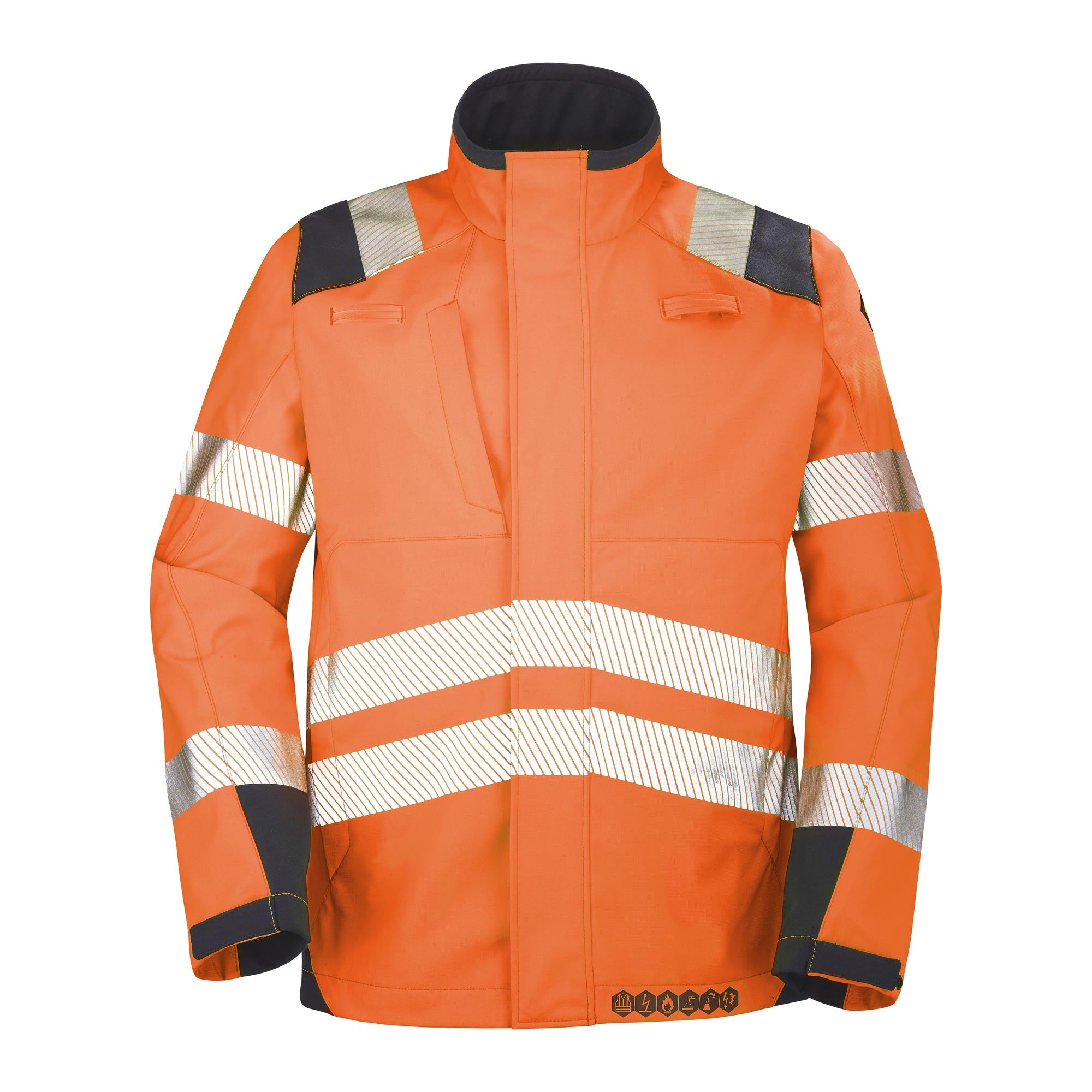
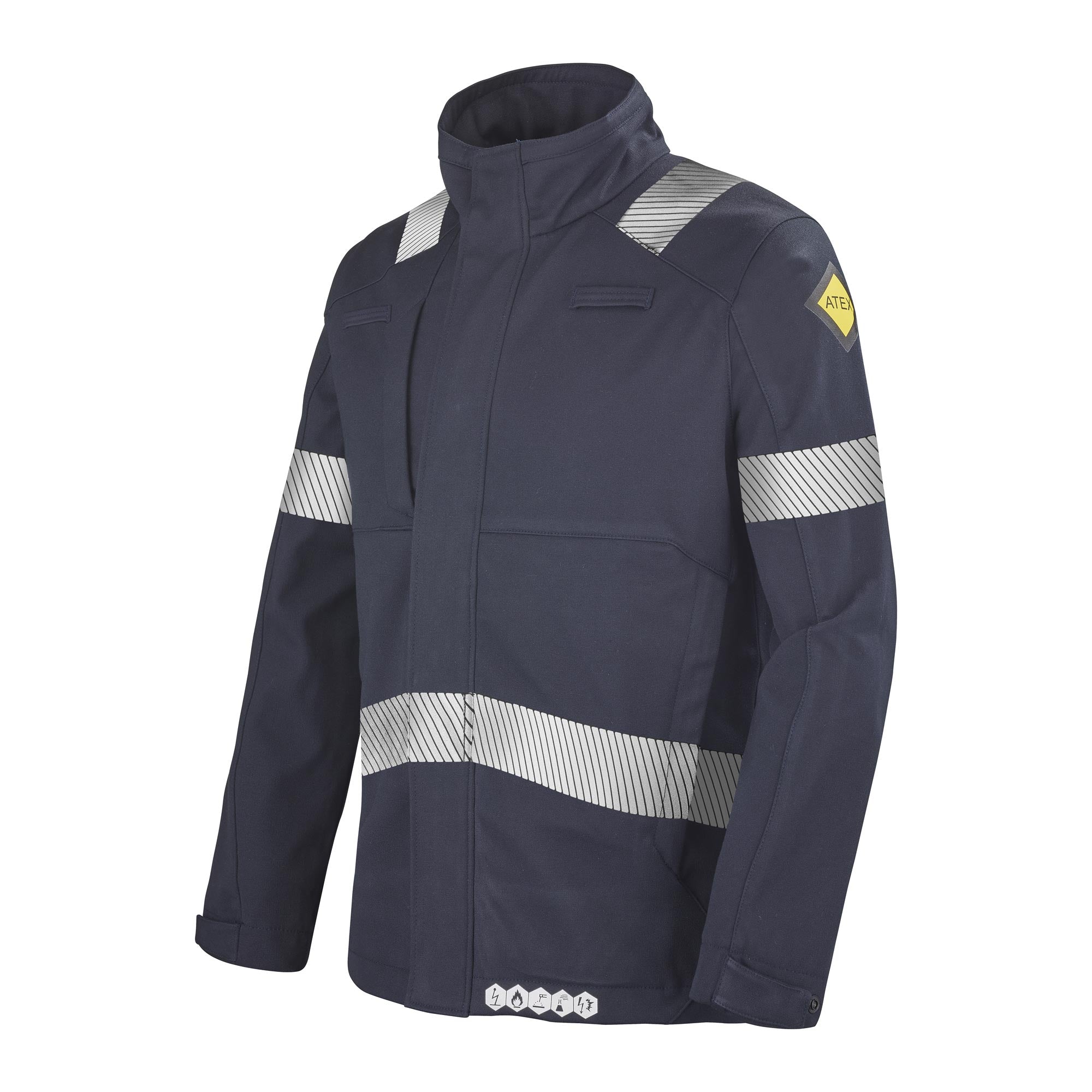
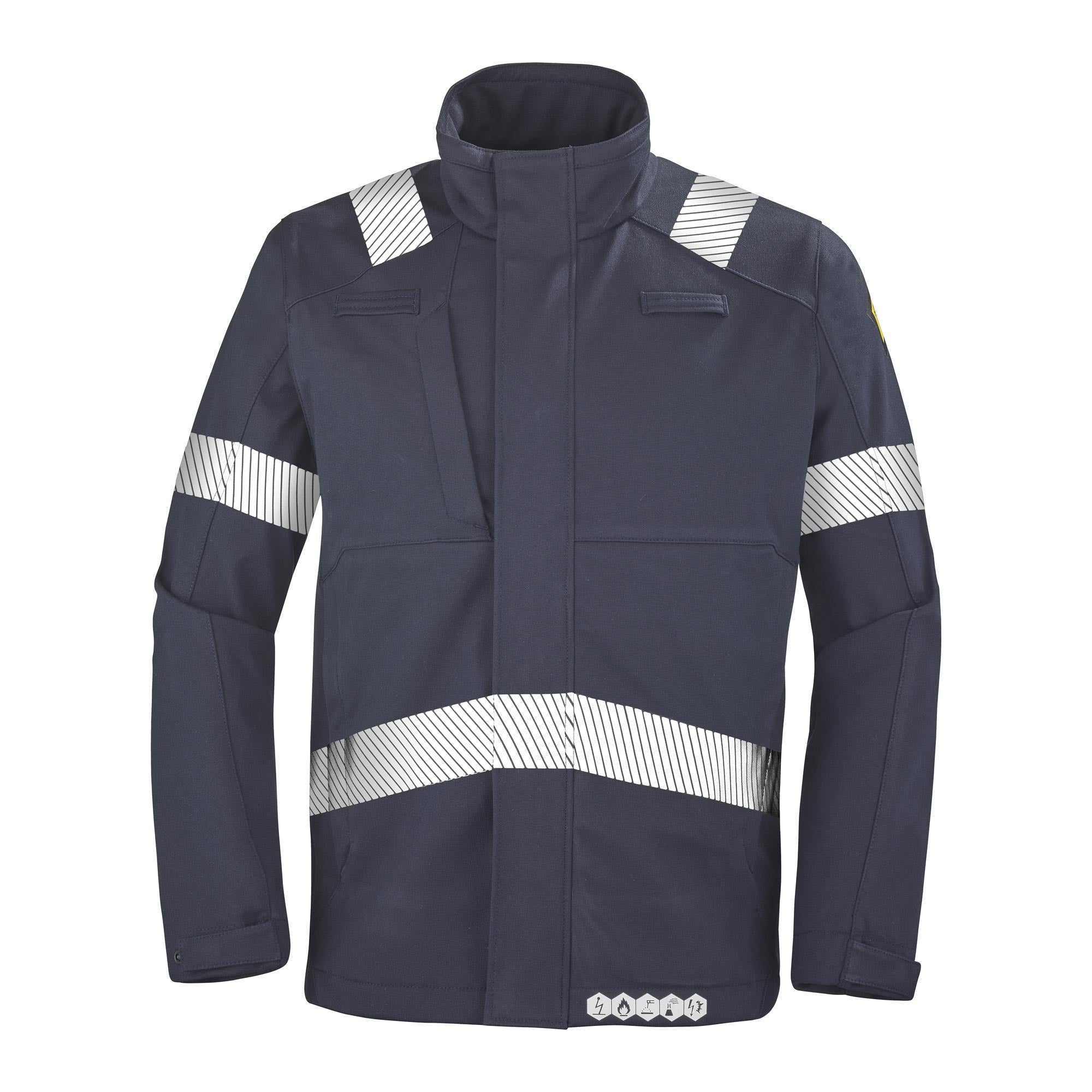
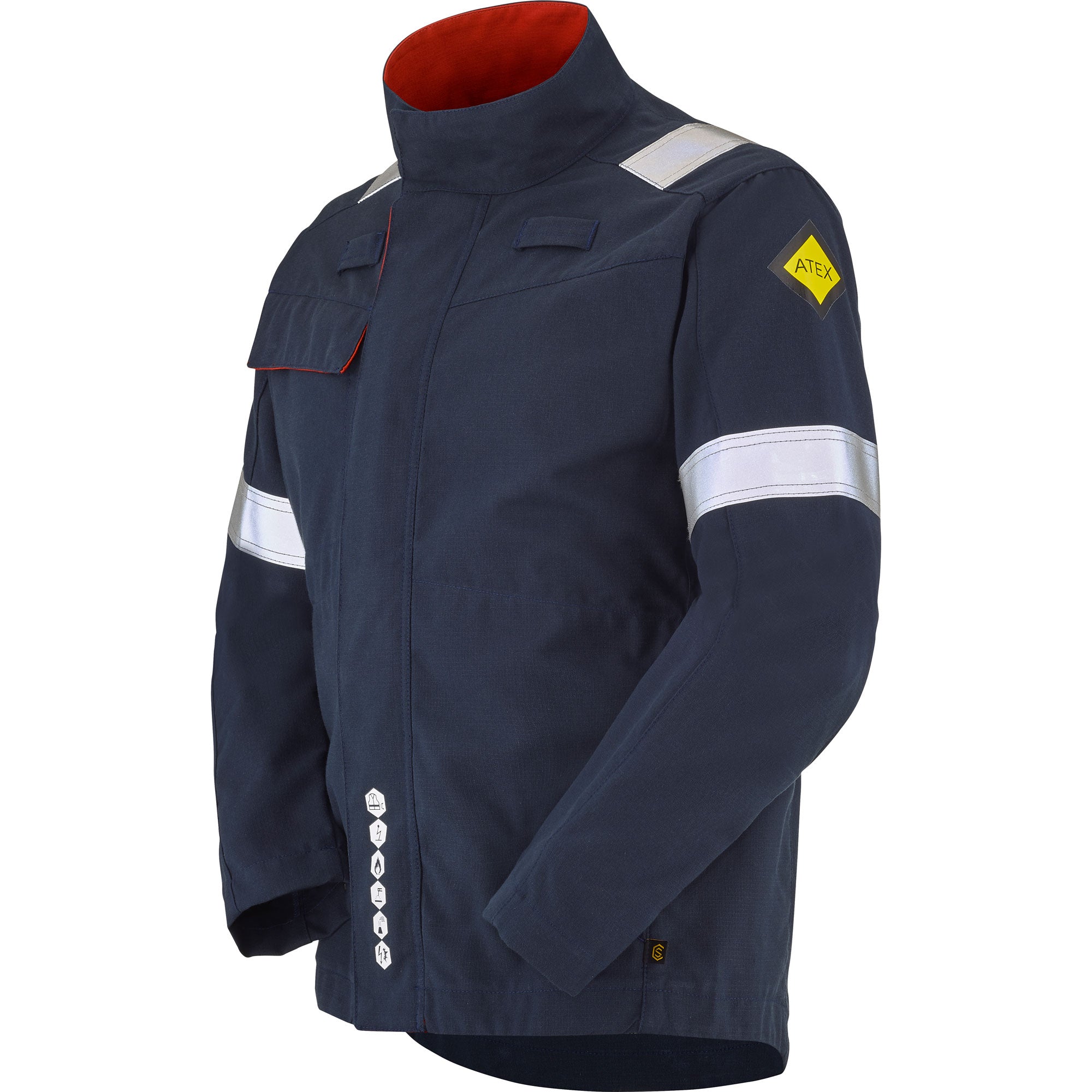
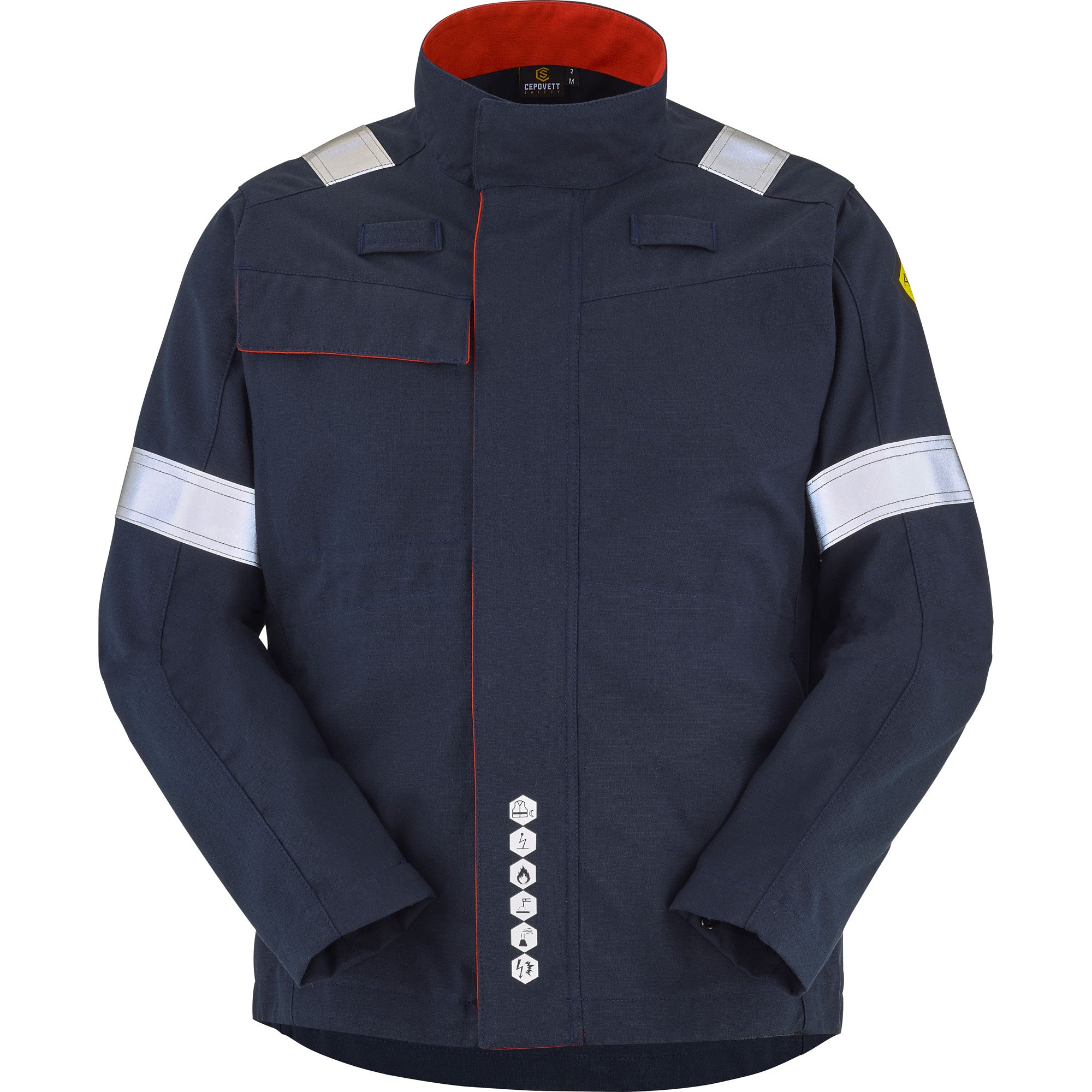
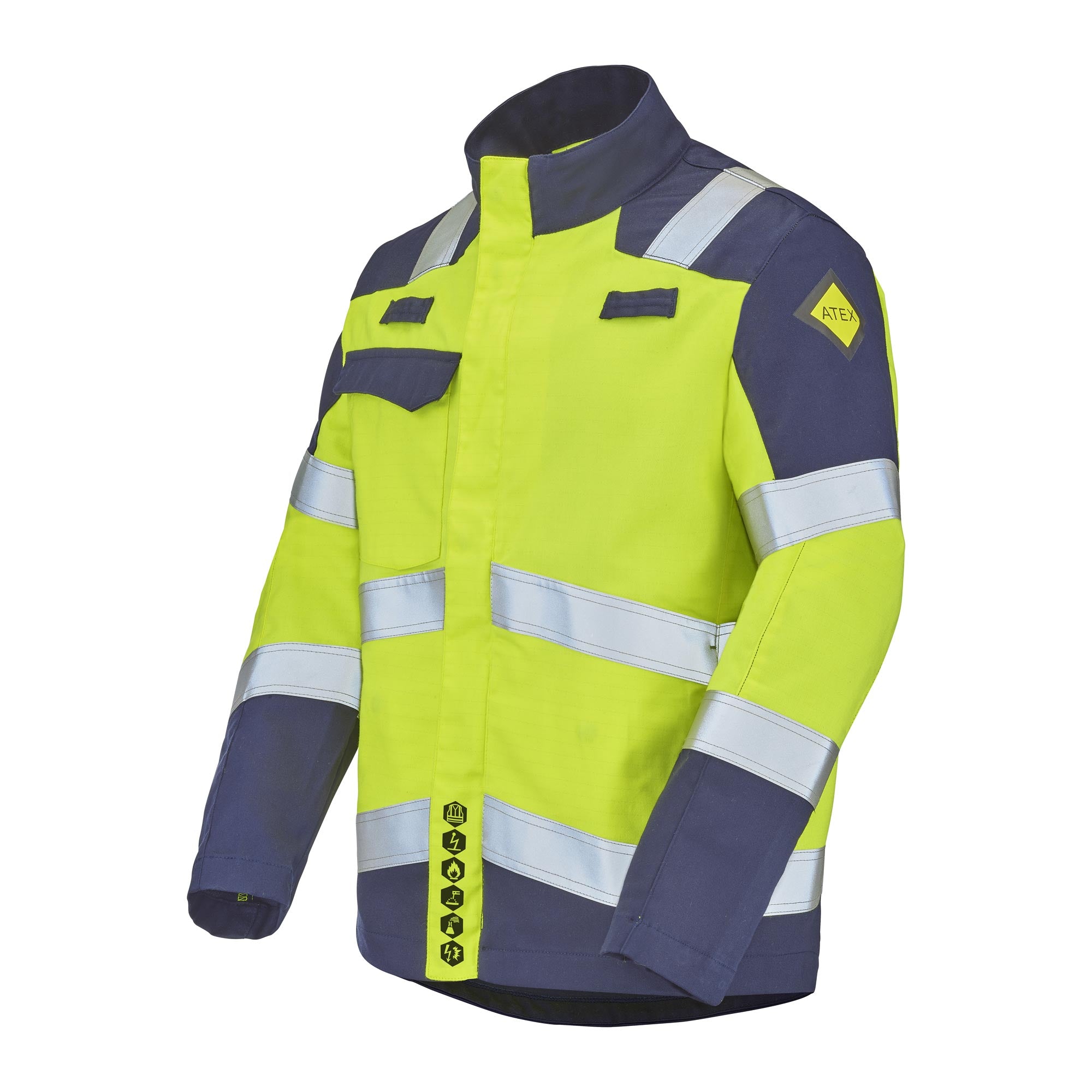
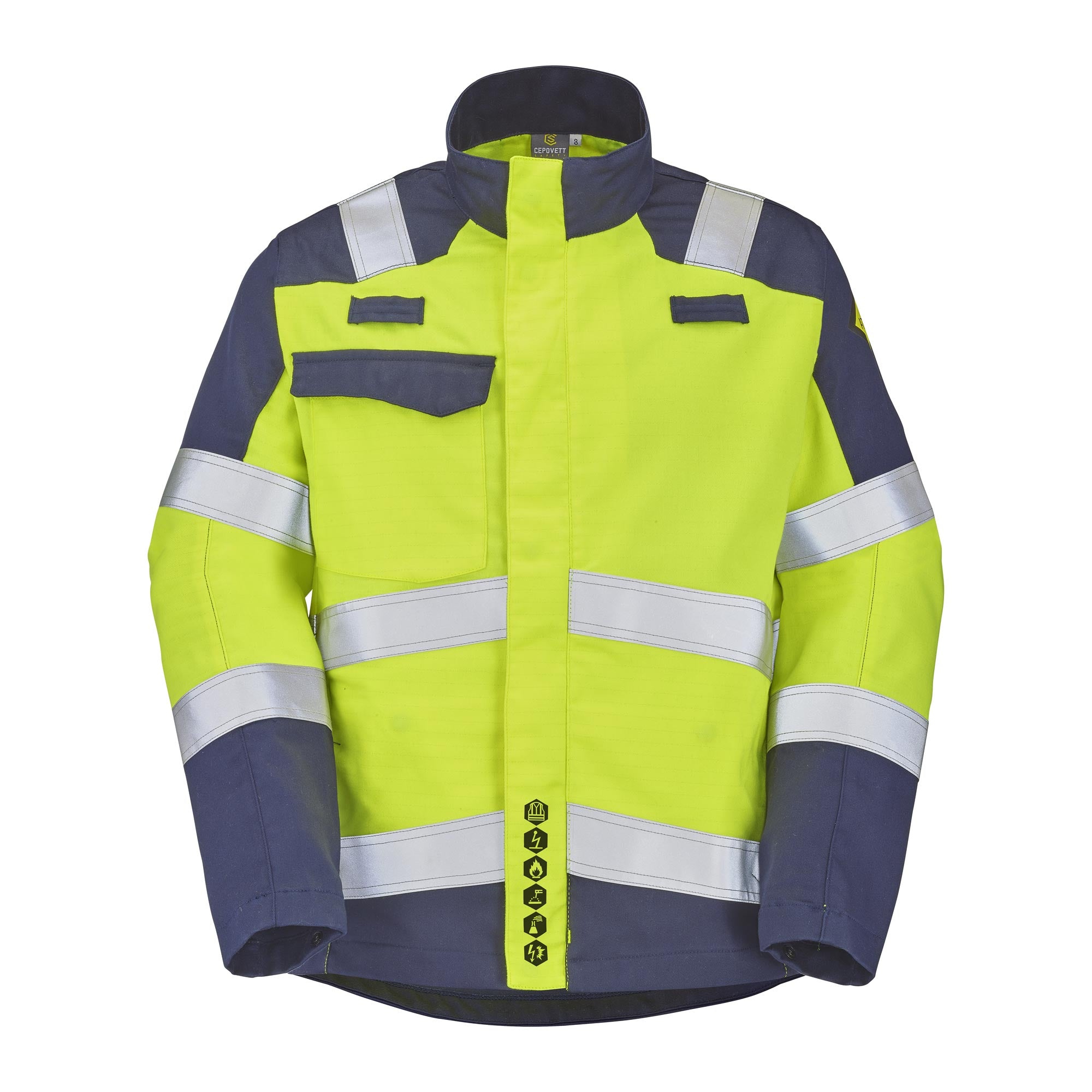
The welding jacket or blouson is the central piece of the welder's outfit. It protects the torso, arms, and shoulders, which are the areas most exposed to projections and arc heat. Closures must be secured to prevent any infiltration of metallic projections, and cuffs must be able to close hermetically over gloves. To discover available models, browse the range of heat and flame jackets certified by Cepovett Safety.
Trousers and lower body protection
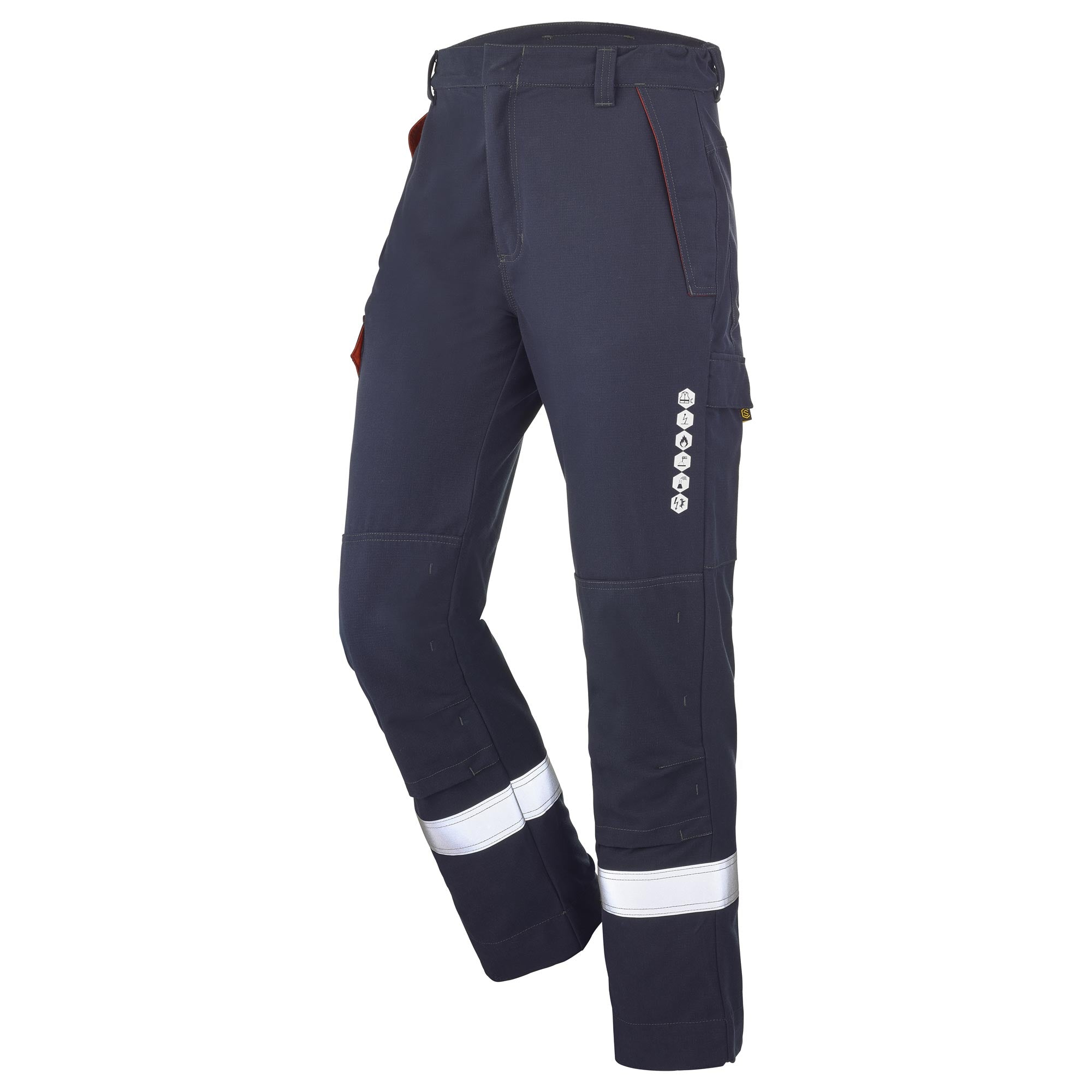
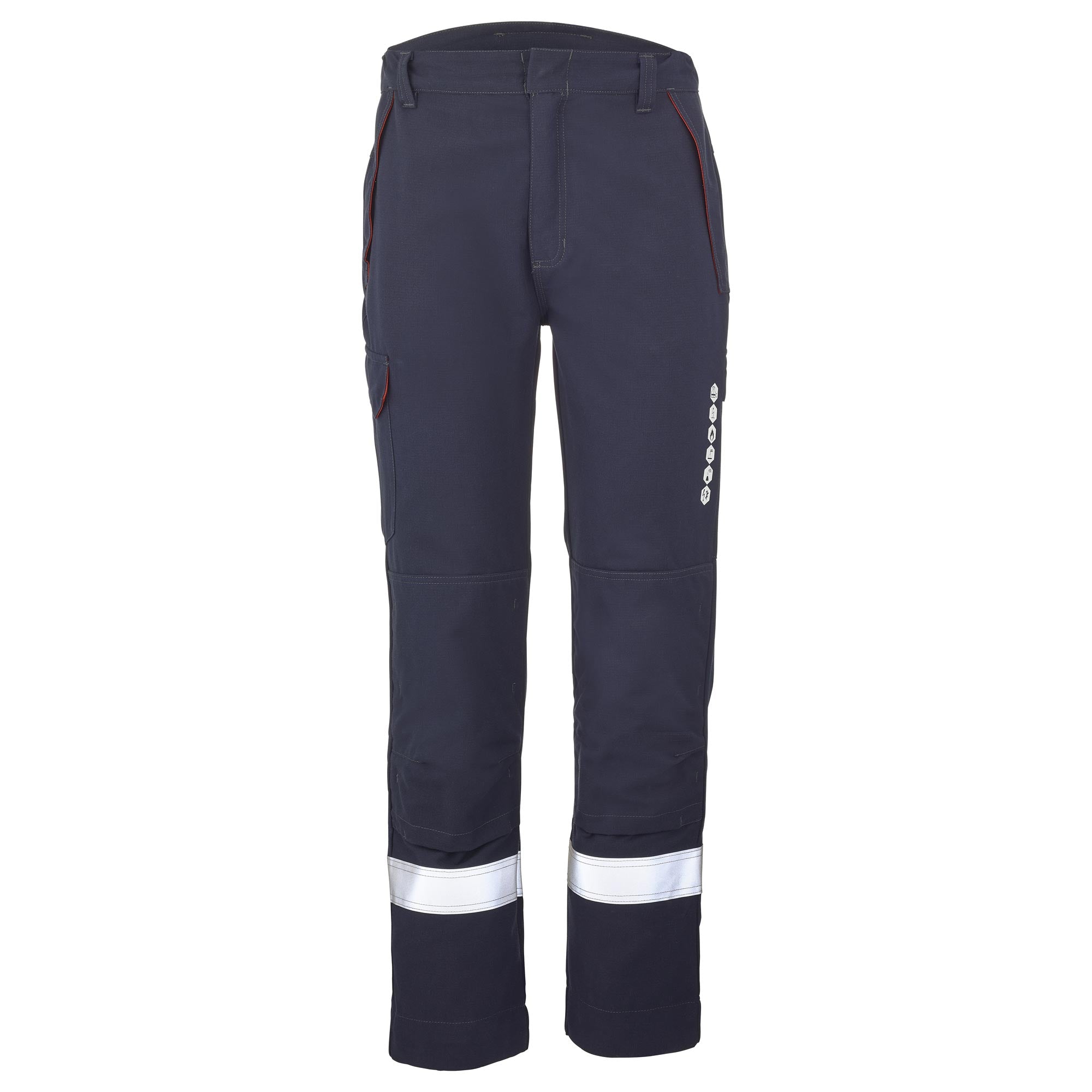
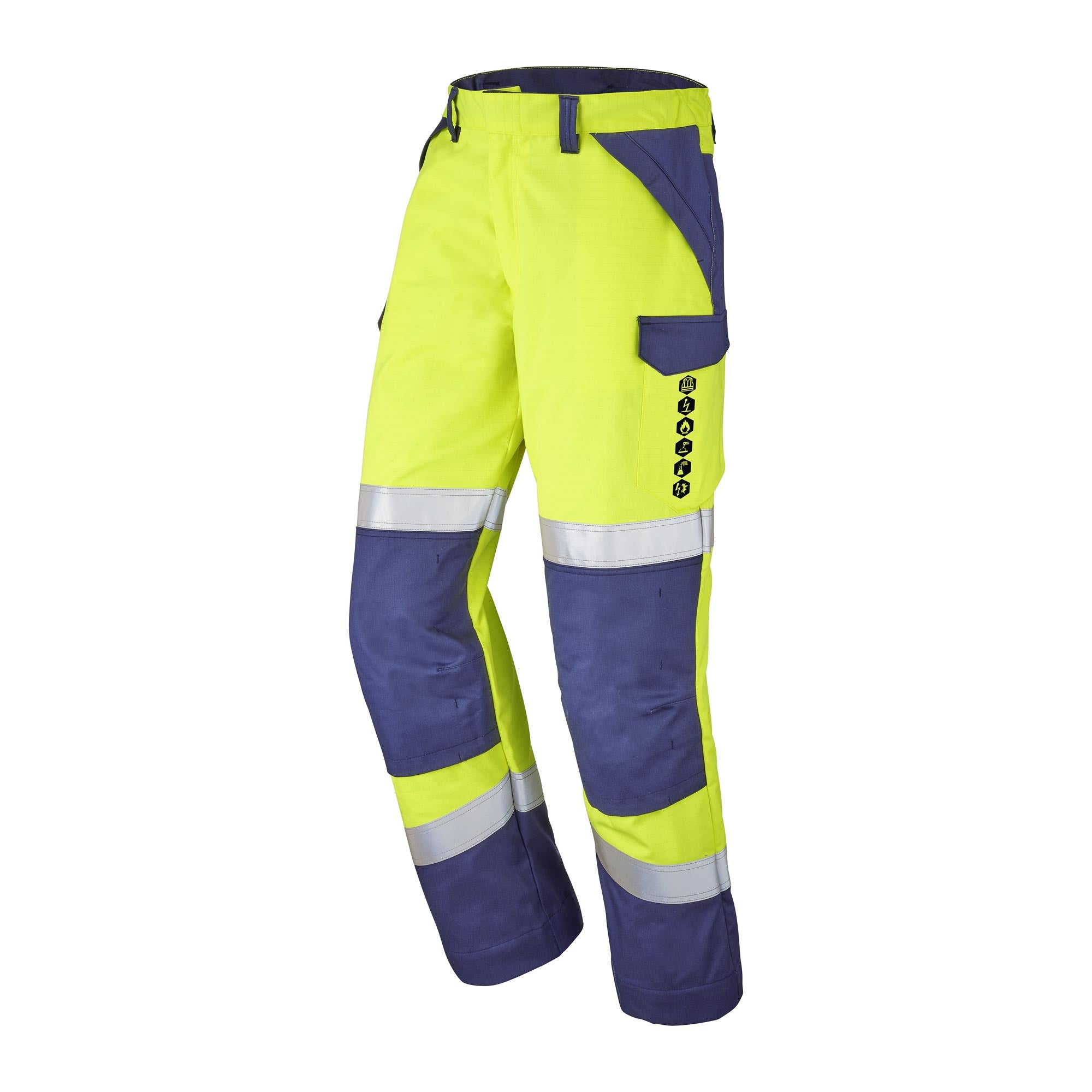
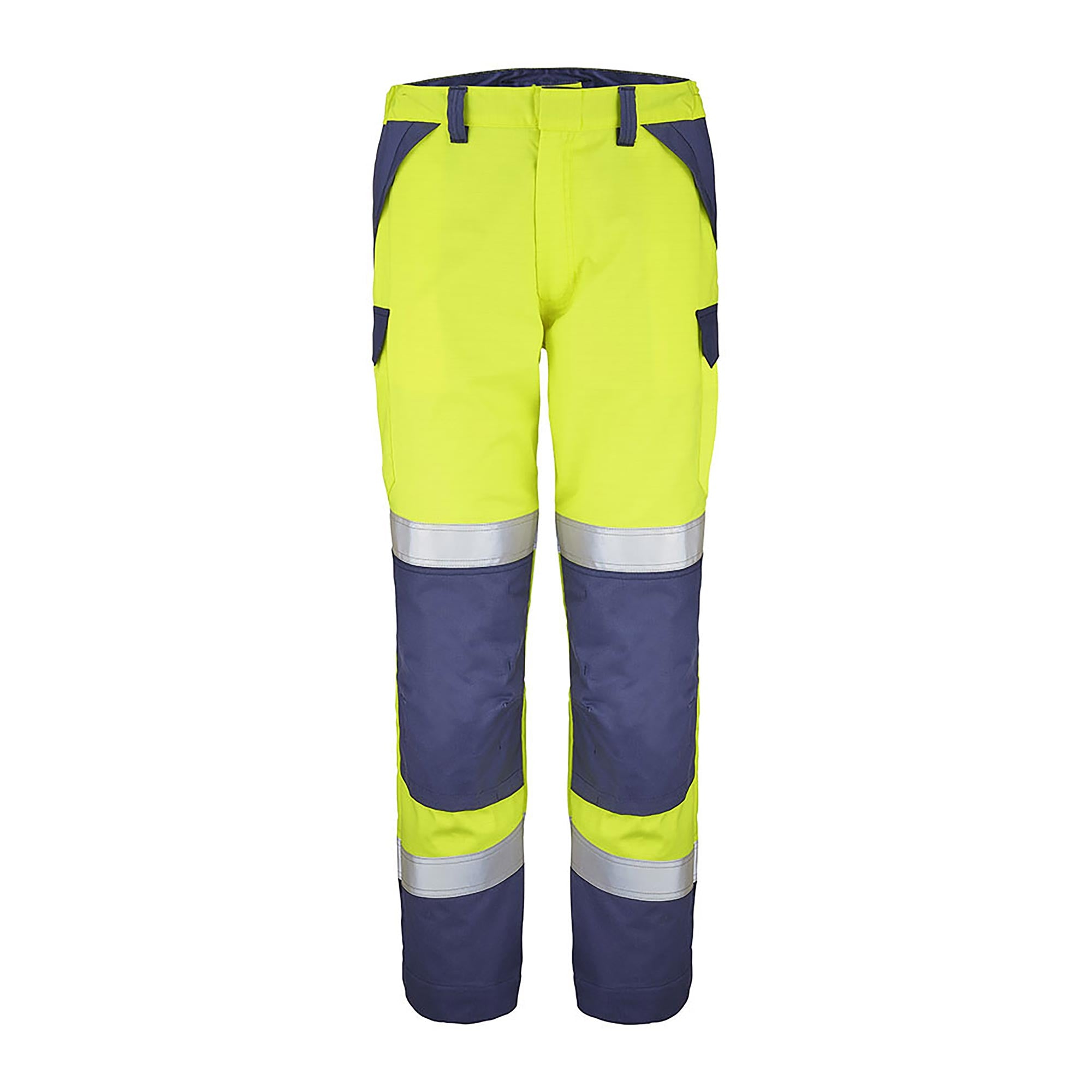
Welding trousers complement the jacket to cover the lower body. They must resist projections that fall during vertical welding, abrasion during movement on site, and radiant heat from heated metal. Leg bottoms must be compatible with safety footwear without creating infiltration zones for projections. Find the heat and flame trousers certified EN ISO 11611 in the Cepovett Safety range.
Coveralls and complete sets
For high-risk workstations or interventions in confined spaces, the full welding coverall offers the most complete protection. It eliminates discontinuities between the upper and lower body, removing exposure zones at jacket-trouser junctions. Its one-piece construction prevents the risk of element separation during movement. It is the recommended solution for Class 2 welders working in constrained positions or in environments with intense thermal risks.
Selection criteria for EN ISO 11611 clothing
How to choose the right EN ISO 11611 protection level for your activity?
Before any purchase, a welding workstation risk analysis must be carried out. It must specify the welding process used, the frequency and duration of thermal exposures, the work environment, and other risks present. Based on this analysis, the choice between Class 1 and Class 2 becomes natural. For versatile welders who alternate between several processes, the Class 2 level offers a more comfortable safety margin.
Comfort and ergonomics: why is it as important as protection?
A welder spends several hours a day in their outfit. Comfort is not a luxury: it is a condition for work quality and safety. Overly restrictive clothing generates fatigue, muscle tension, and less precise movements, which ultimately increases the risk of accident. Cepovett Safety EN ISO 11611 garments are designed to support the welder's technical movements: arm reach, back flexion, and kneeling positions. The chosen textiles offer flexibility compatible with the demanding postures of the trade.
Resistance and durability
The durability of a welding garment is measured by its ability to maintain its flame-retardant properties after numerous washes and intensive use. Cepovett Safety garments are selected for their long-term performance, with flame-retardant properties maintained over time. Abrasion resistance is also an important criterion for welders working on site or in workshops in frequent contact with rough surfaces.
Cepovett Safety expertise in EN ISO 11611 clothing
Cepovett Safety develops EN ISO 11611 certified welding garments for metallurgy professionals, construction, and industrial maintenance. The brand masters the normative requirements of Classes 1 and 2 and designs its products taking into account real field constraints. Each model is validated to provide the required protection while allowing the welder to work efficiently, in the best possible comfort conditions.
For the most exposed workstations, the heat and flame welding coverall offers full protection without discontinuity between the upper and lower body. It is particularly recommended for Class 2 welders working in constrained positions or in confined spaces.
How to maintain your EN ISO 11611 welding garments?
The flame-retardant properties of a welding garment must be preserved throughout its lifespan. Maintenance rules are strict and must be followed to the letter: no fabric softener, adherence to prescribed washing temperatures, and drying at the indicated temperature. Any fabric alteration, tear, or repair with a non-certified piece can compromise the garment's compliance with the EN ISO 11611 standard.
A regular inspection programme for garments in service is recommended. Visual inspection of fabric condition, verification of seams and closures, and checking priority wear zones: these checks allow for rapid identification of equipment that must be replaced before it compromises the operator's safety.