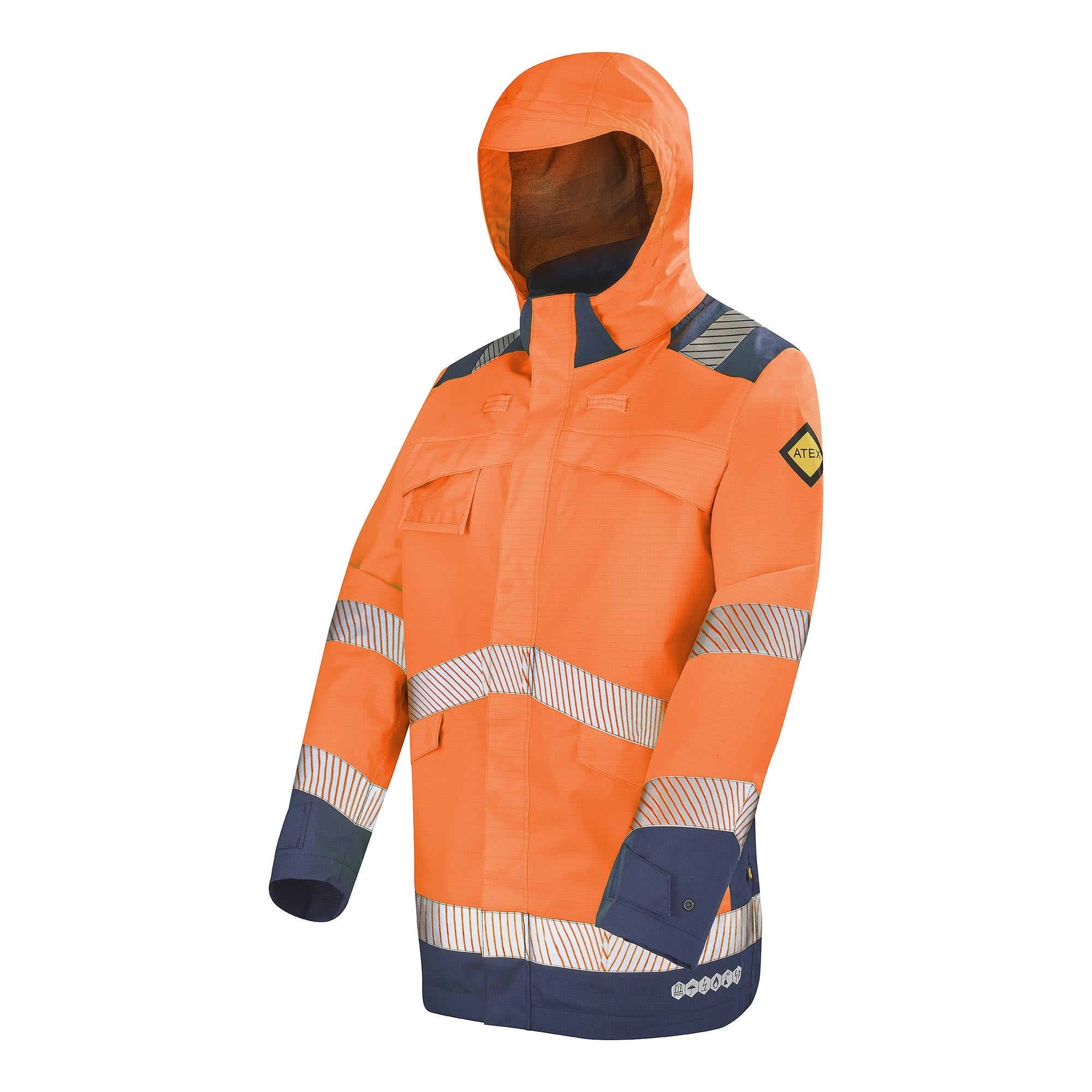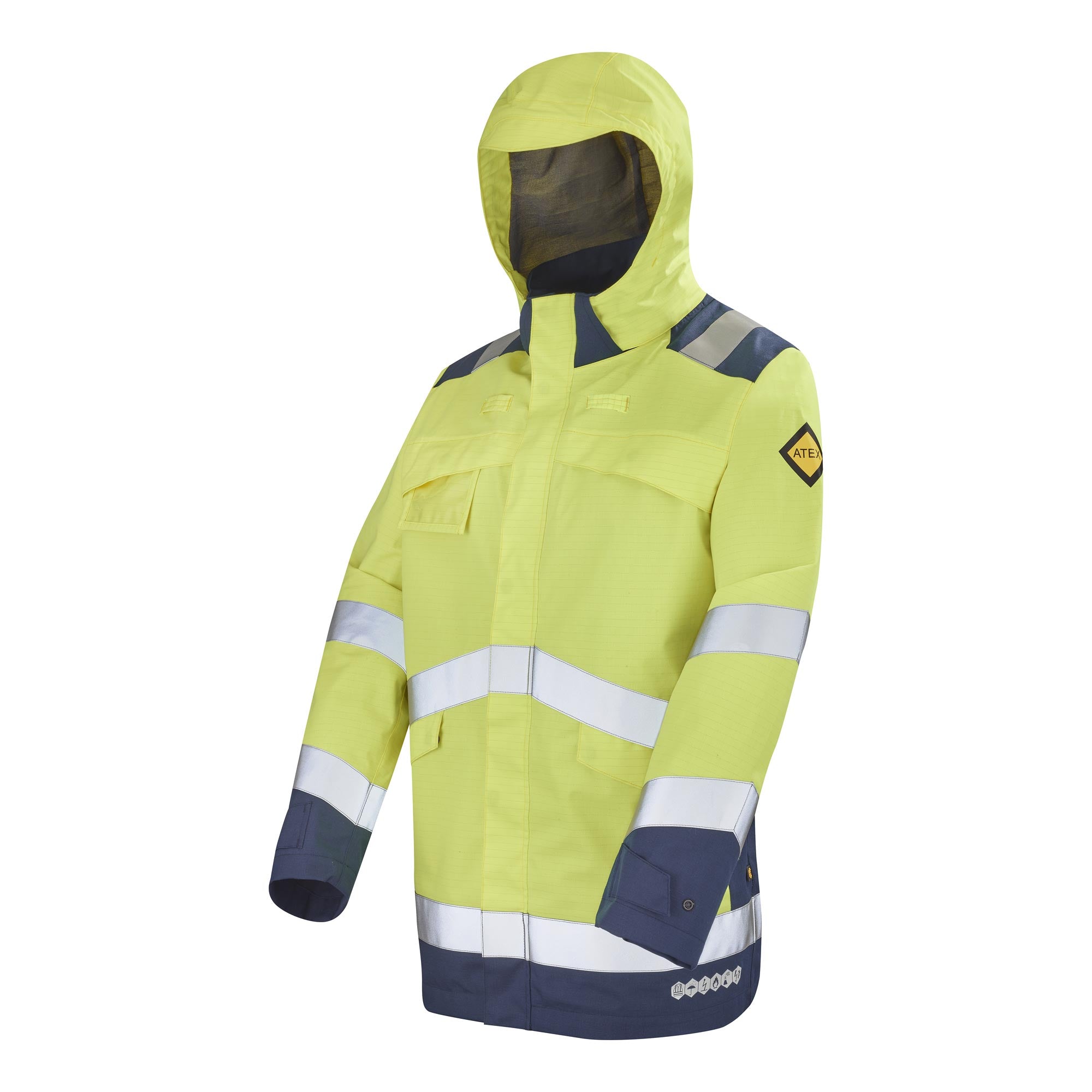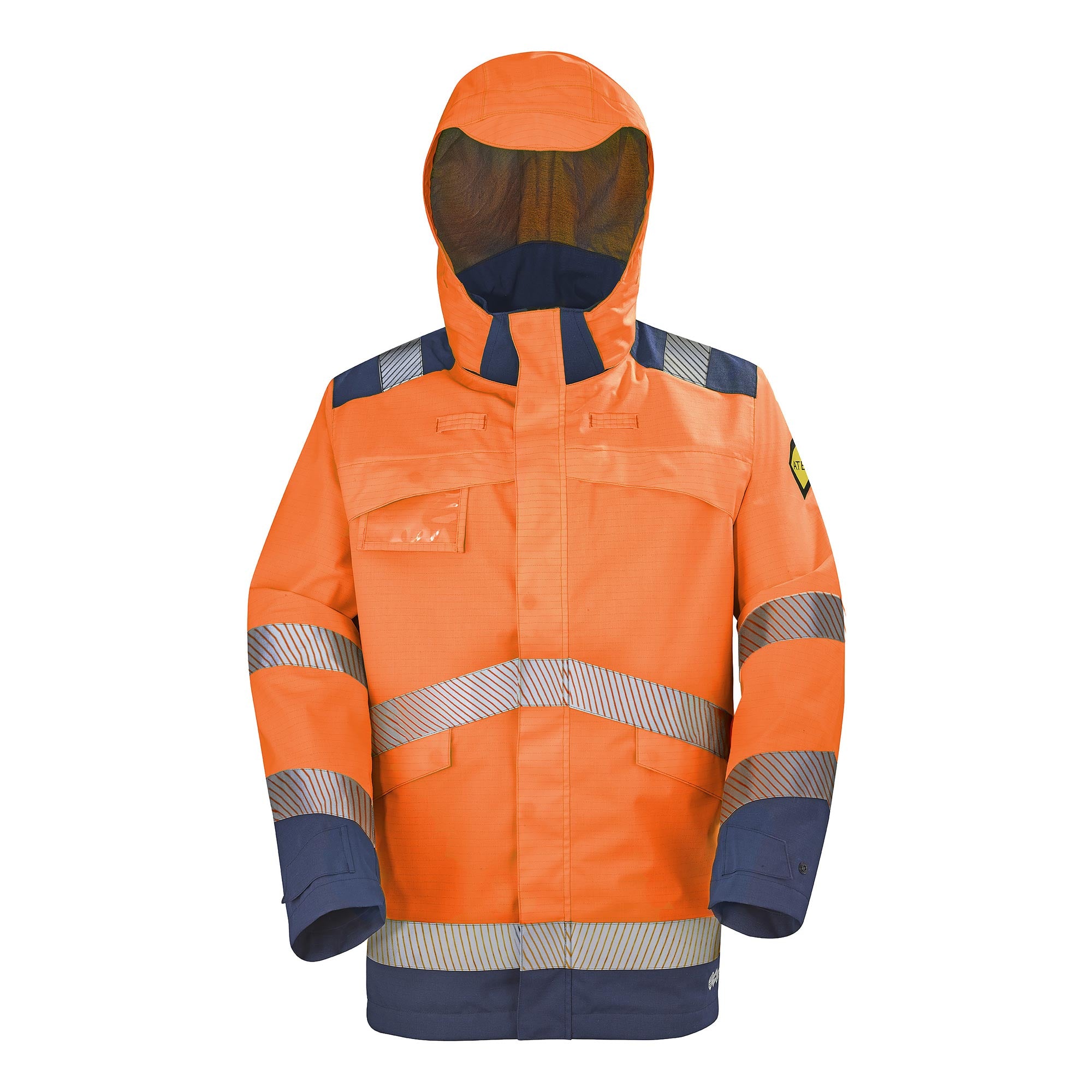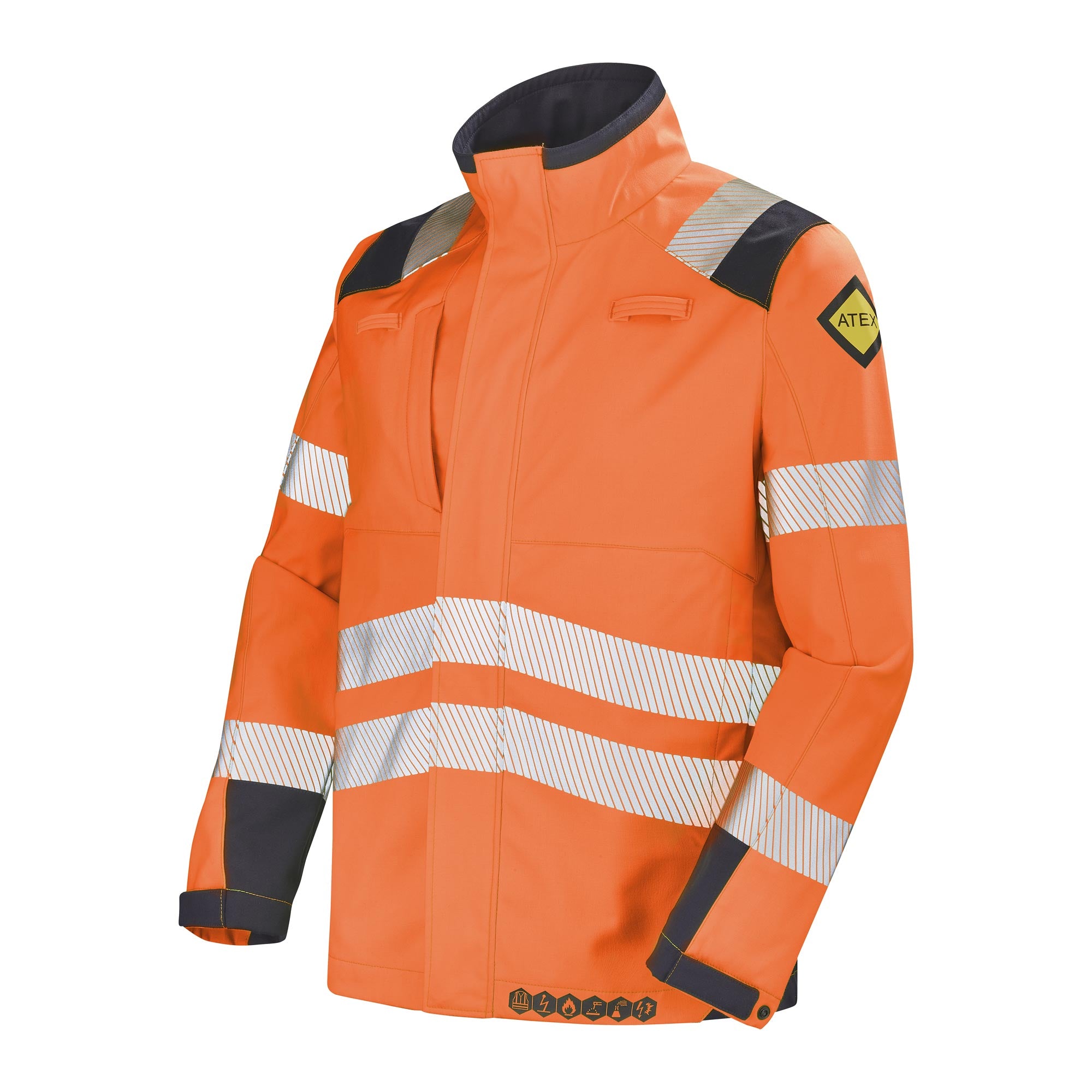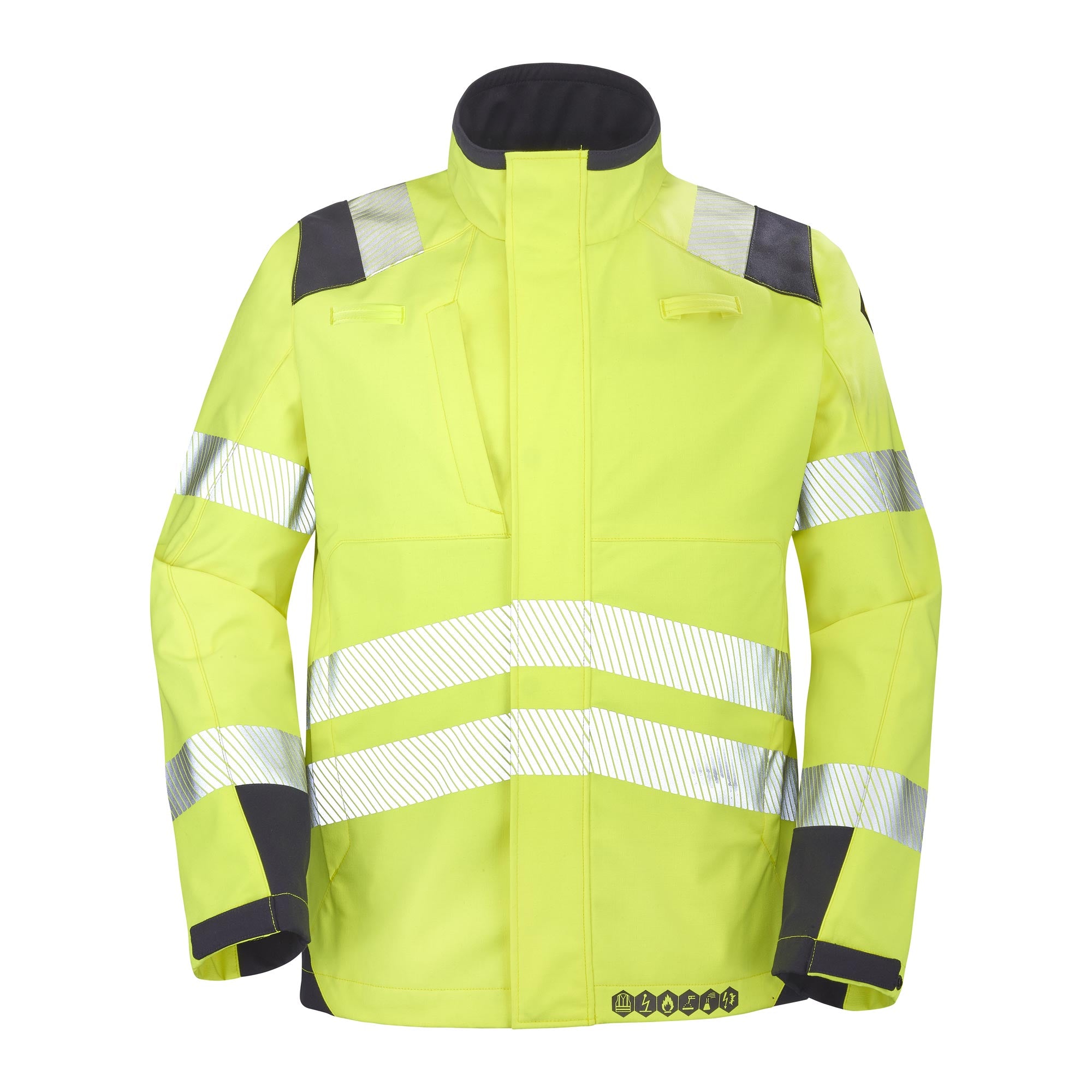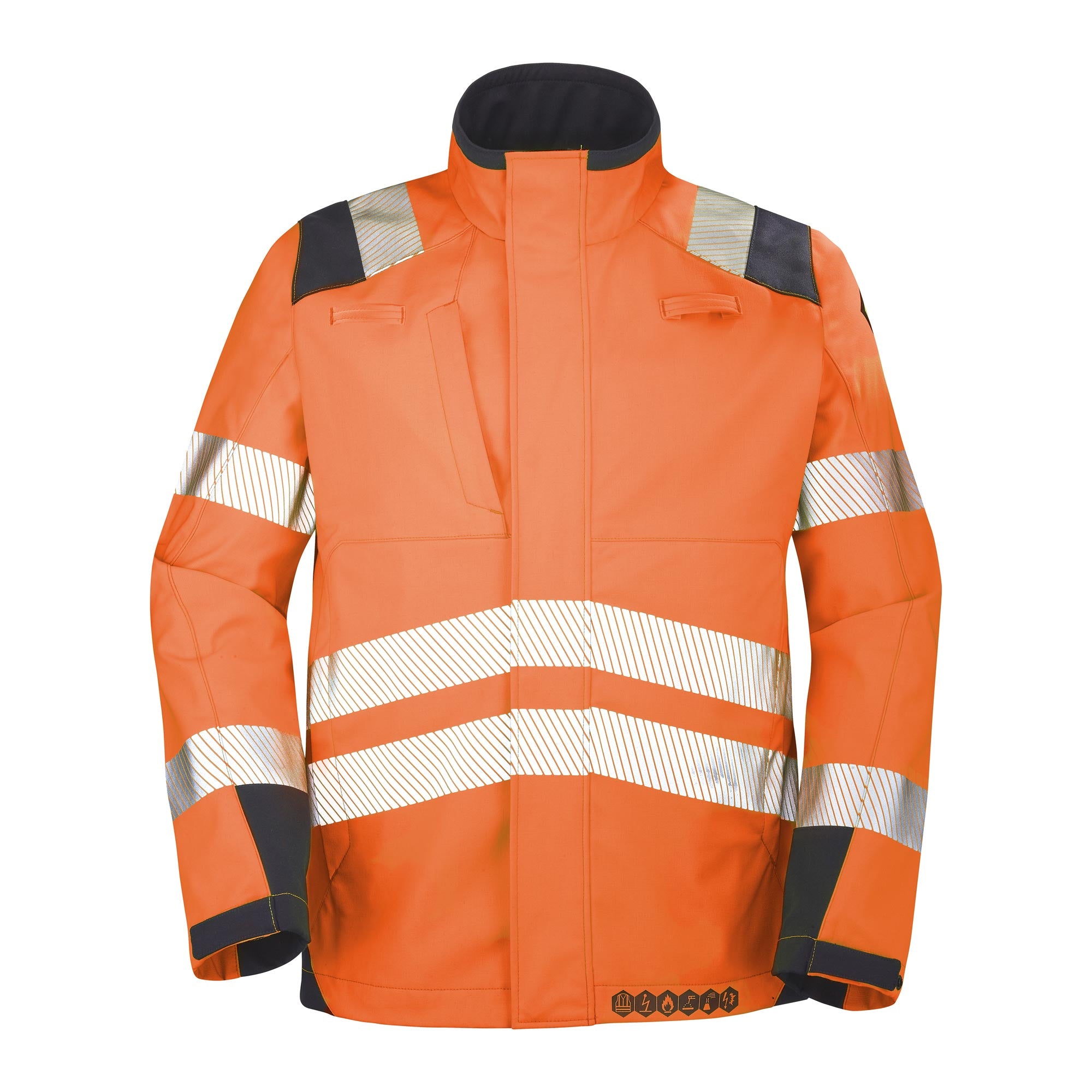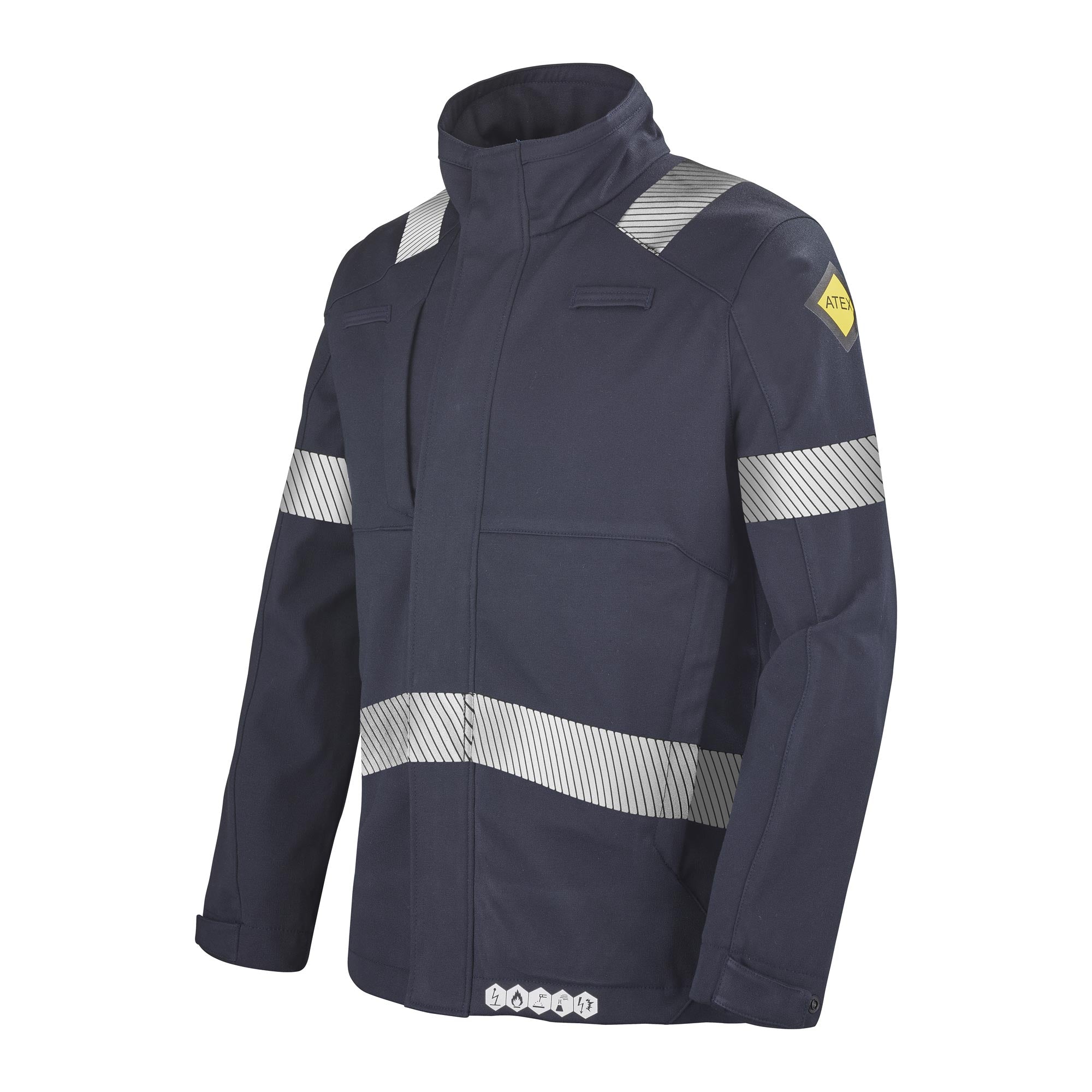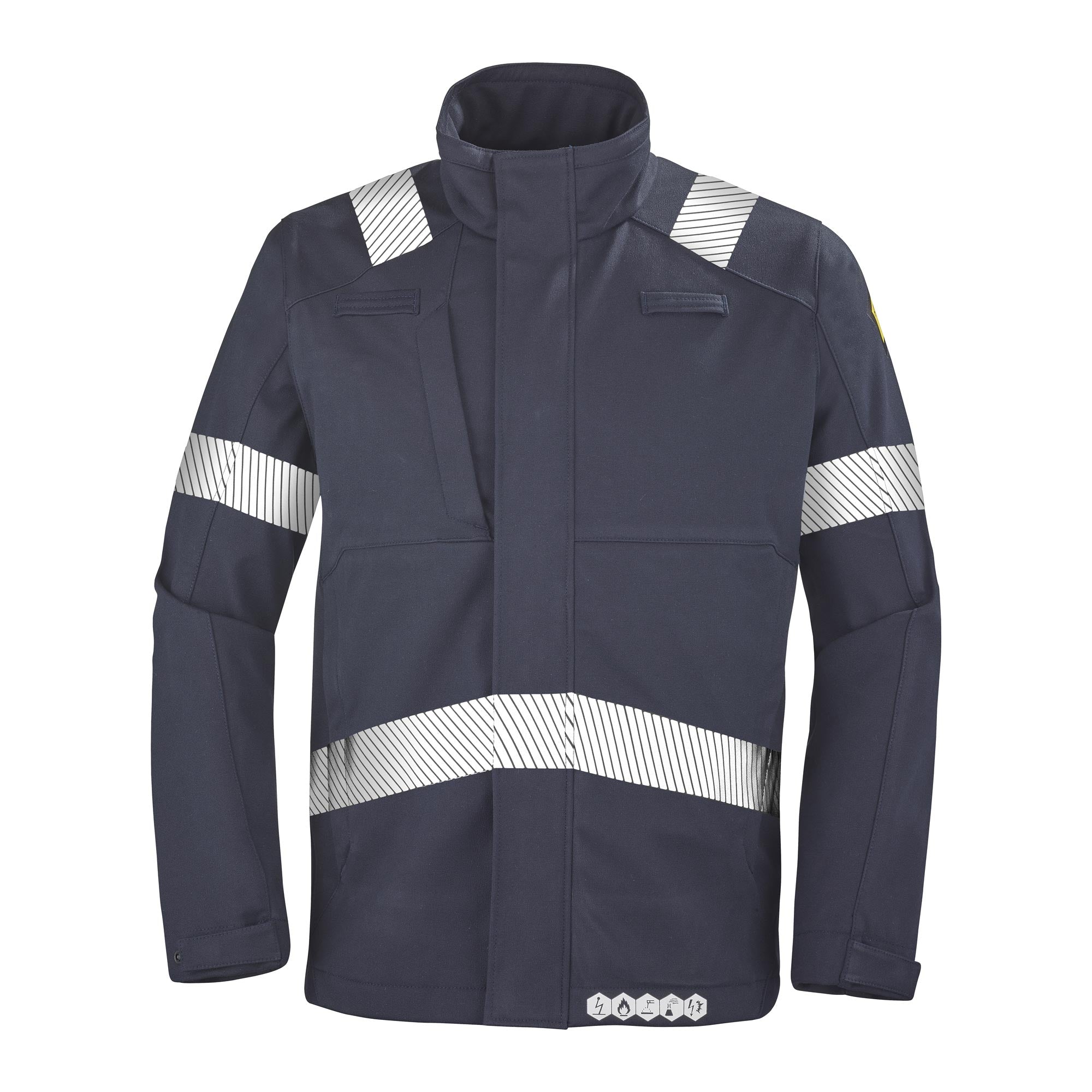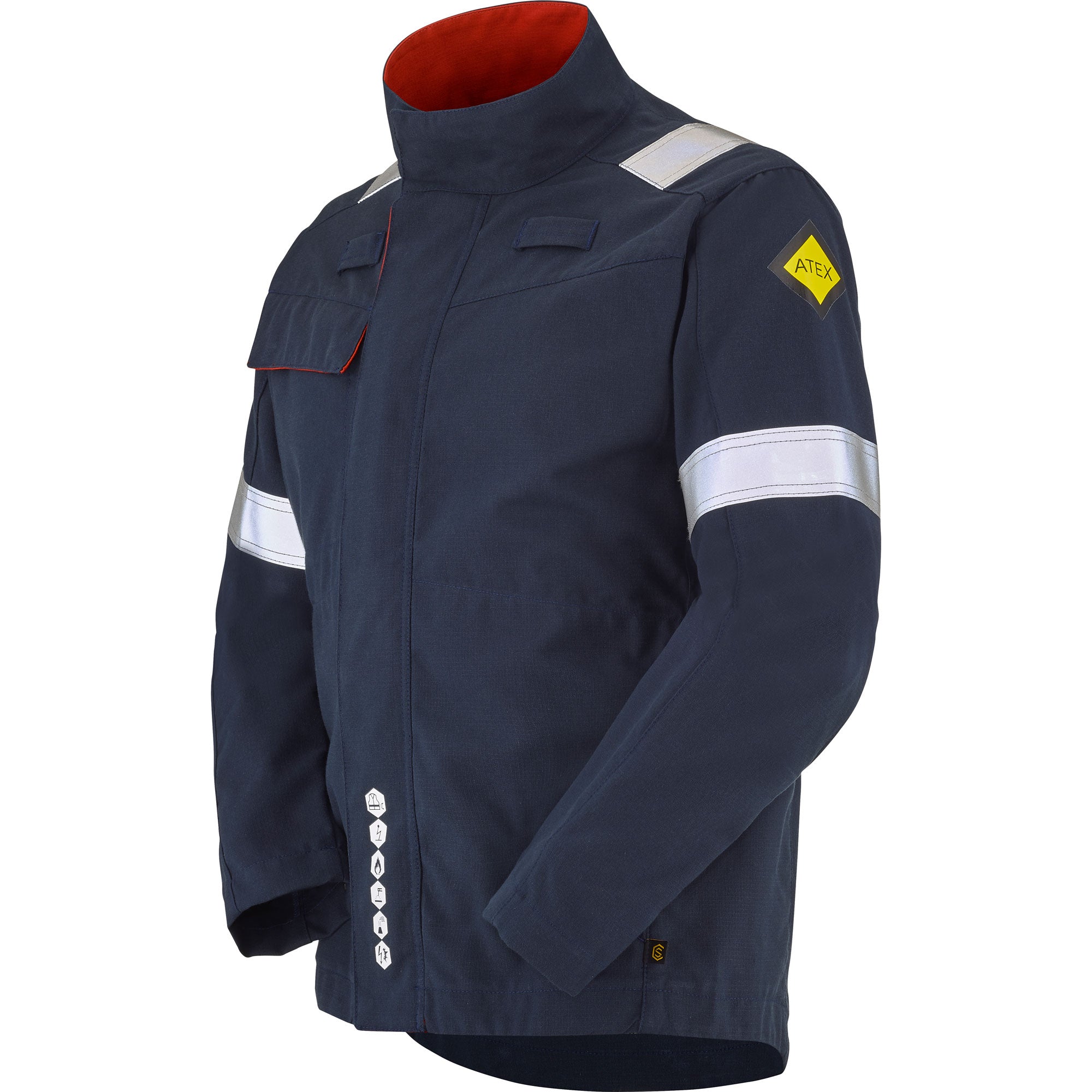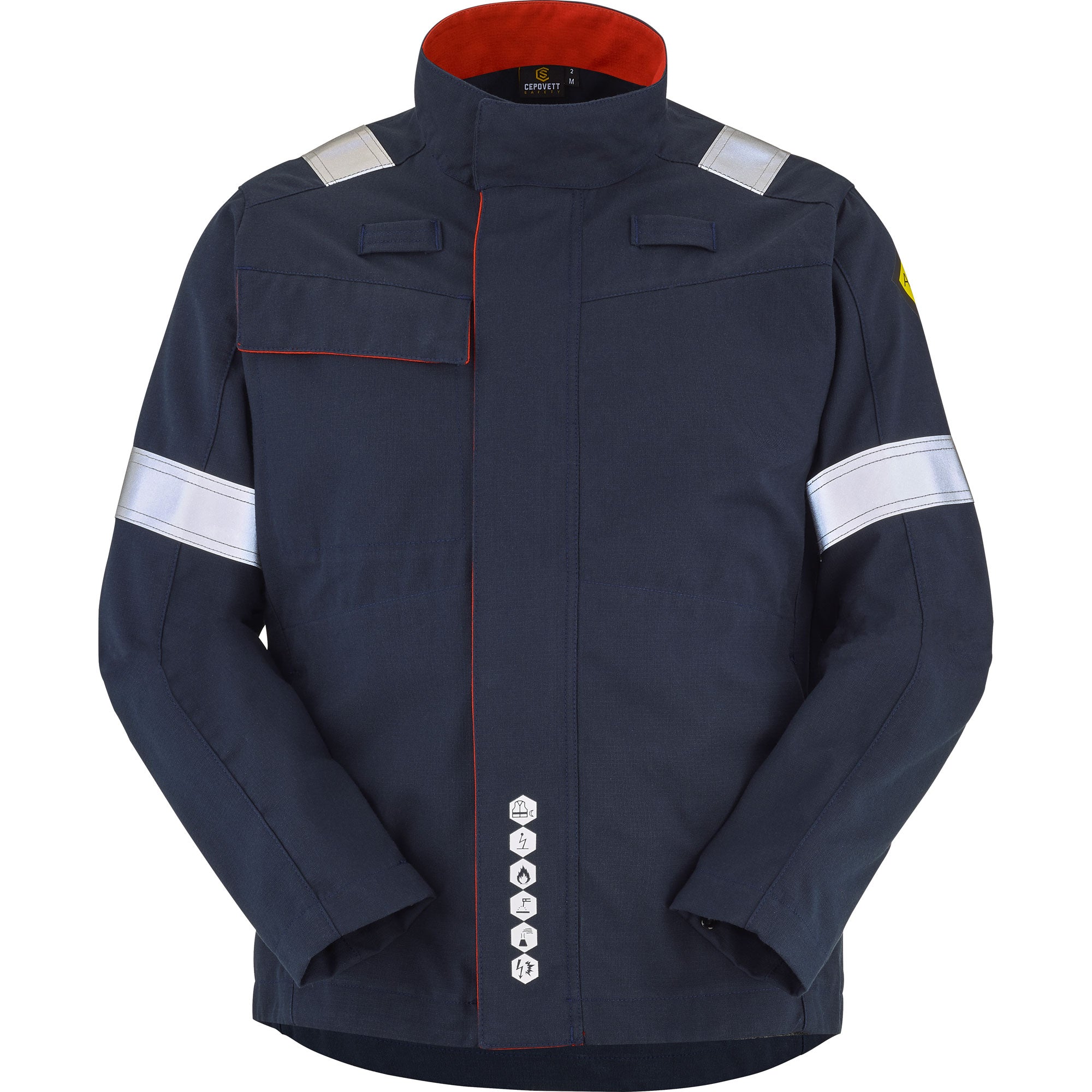


EN ISO 11611:2015 standard: everything you need to know about welding protection
Welding and allied processes expose operators to specific thermal and mechanical hazards: splashes of molten metal, brief contact with flame, radiant heat from the electric arc. The EN ISO 11611:2015 standard precisely sets out the performance requirements for protective clothing for welding. Cepovett Safety offers you a complete breakdown of this essential standard for personal protective equipment (PPE).
At a glance
- 4 hazards covered: molten metal splashes, brief contact with flame, radiant heat, accidental electrical contact
- 2 protection classes: Class 1 (low risk) and Class 2 (high risk)
- The standard does not cover the head, face, hands or feet
- Sectors concerned: welding, boilermaking, metal construction, industrial maintenance, shipyards, heavy industry, thermal cutting
What is the EN ISO 11611:2015 standard?
The EN ISO 11611 standard specifies the requirements applicable to protective clothing intended for operators carrying out welding work and allied processes. It protects against splashes of molten metal, brief contact with flame, radiant heat from the arc and helps reduce the risks associated with brief accidental electrical contact.
This certification applies to many at-risk sectors:
- Welding
- Boilermaking
- Metal construction
- Industrial maintenance
- Shipyards
- Heavy industry
- Thermal cutting
EN ISO 11611 protection classes
The standard identifies two protection classes, corresponding to increasing levels of risk encountered on the welding job.
| Class | Risk level | Typical applications |
|---|---|---|
| Class 1 | Low level of metal splashes and radiant heat | TIG welding, low-intensity MIG, gas welding, brazing… |
| Class 2 | High level of metal splashes and radiant heat |
MMA welding, intensive MAG, gouging, plasma cutting, flame cutting… |
Choosing your class according to the welding process and the working environment
Beyond the type of process used, operating conditions (fixed or mobile workstation, confined space, working position) also influence the choice of the most suitable protection class:
| Class | Typical welding processes | Operating conditions |
|---|---|---|
| Class 1 | • Gas welding • TIG welding • Low-intensity MIG welding • Plasma micro-welding • Brazing • Spot welding • MMA welding with rutile electrode |
• Low level of metal splashes and droplets • Low exposure to radiant heat • Bench welding • Use of fixed or automated equipment |
| Class 2 | • MMA welding with basic or cellulosic electrode • MAG welding • High-intensity MIG welding • Flux-cored arc welding • Plasma cutting • Gouging • Flame cutting • Thermal spraying |
• High levels of metal splashes and radiant heat • Work in confined spaces • Work at height • Demanding or uncomfortable working positions |
✅ Class 1: suitable for operations generating few molten metal splashes and limited exposure to radiant heat.
✅ Class 2: recommended as soon as the working environment increases the risk (confined space, height, demanding position) or the process generates significant splashes.
How to read the marking on a certified garment?
Every garment certified to EN ISO 11611 carries a marking indicating the protection class as well as the limited flame spread test method. For example:
| Code | Meaning |
|---|---|
| Class 1 | Protection for welding techniques generating low levels of splashes and radiant heat |
| A1 | Limited flame spread (surface test) |
Complementary PPE: comprehensive protection for the welder
⚠️ Please note: the EN ISO 11611 standard does not cover protection of the head, face, hands or feet. The choice of complementary PPE must result from a risk assessment of the specific job.
Recommended PPE to be used alongside welding clothing:
- Welding helmet or hood with suitable filter
- Eye and face protection against radiation and splashes
- Welding gloves compliant with EN 12477
- Welding apron for enhanced protection of the torso and thighs
- Protective sleeves for the forearms
- Safety shoes or boots suited to molten metal splashes
- Protective gaiters for work generating significant splashes
Key points to remember
1. A standard dedicated to welding
The EN ISO 11611 standard is specifically designed for protective clothing intended for welding and allied processes.
2. Two classes based on risk intensity and working environment
Class 1 for processes generating few splashes and little radiant heat (bench welding, fixed equipment), Class 2 for the most exposed operations or those carried out under demanding conditions (confined spaces, height, uncomfortable positions).
3. A marking to identify carefully
The marking indicates the garment's protection class as well as the limited flame spread test method (A1 or A1+A2).
Why choose an EN ISO 11611 certified garment from Cepovett Safety?
Choosing equipment compliant with the EN ISO 11611 standard ensures protection tailored to the specific risks of welding. At Cepovett Safety, we manufacture tested and certified PPE, whose precise marking allows you to immediately identify the level of protection (Class 1 or Class 2) suited to your job. Discover our full range of welding PPE.