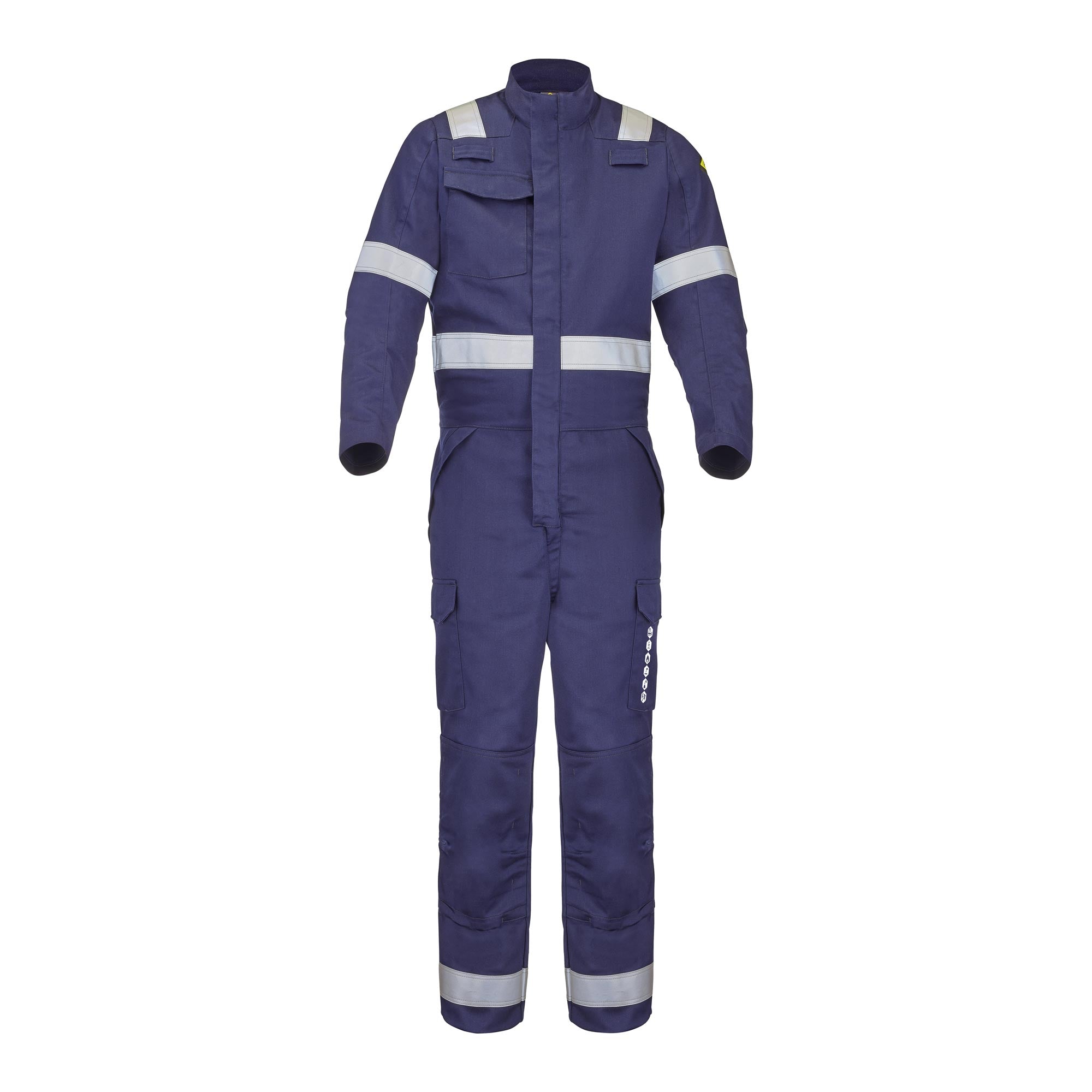
EN 17353 Clothing: Signalling the Wearer in Moderate-Risk Situations
Choosing EN 17353 clothing means meeting a specific professional visibility requirement without necessarily needing the highest levels of intensive road safety standards. This European regulation defines the requirements applicable to intermediate visibility clothing designed for moderate-risk environments. It is primarily aimed at professionals exposed to vehicle movements, plant machinery, or logistics traffic without operating in extreme conditions. In these situations, visibility must remain effective whilst preserving comfort and freedom of movement. To quickly browse available equipment by regulatory standard, you can explore the selection of PPE workwear classified by standard, which makes it easy to compare suitable protective solutions.
What Does the EN 17353 Standard Cover?
The EN 17353 standard covers intermediate visibility clothing designed for environments where risk exists but remains at a moderate level. It provides a relevant alternative when the requirements of high-intensity road safety standards are not legally required. Professionals working in urban, industrial, or logistics settings frequently encounter this type of situation. The aim is to improve the visual detection of the wearer without imposing excessive textile constraints. This approach allows teams to be effectively equipped whilst respecting operational realities on the ground.
- European standard dedicated to intermediate visibility
- Suited to moderate-risk environments
- An alternative when higher levels of protection are not required
- Designed for urban, industrial, and logistics settings
The Three Performance Types Defined by the Standard
EN 17353 workwear can belong to three distinct categories depending on its visual performance. Type A improves daytime visibility through fluorescent fabrics that increase visual contrast. Type B prioritises night-time visibility by incorporating retroreflective materials that return light to its source. Type AB combines both properties to provide visibility both day and night. The choice of type always depends on a site-specific risk assessment and the actual level of exposure involved.
Why Choose EN 17353 Clothing for Moderate-Risk Situations?
High visibility PPE compliant with this standard addresses a very practical need: remaining visible in reduced lighting conditions without wearing heavier equipment than necessary. In environments where traffic exists but remains moderate, this type of garment offers the optimum balance between safety and comfort. It reduces accident risk whilst maintaining good freedom of movement. Businesses can therefore tailor their prevention strategy to the actual level of hazard present. This flexibility represents a significant advantage for field-based teams.
Protection Suited to Low-Light Conditions
Low-light situations are not limited to complete darkness. Interventions at dawn, dusk, or in poorly lit spaces also require enhanced visibility. Indoor logistics areas, car parks, and loading bays often have only partial lighting. In these contexts, reflective workwear improves the perception of the wearer and reduces the risk of collisions. The ability to be detected quickly is a decisive safety factor. It also allows movement to be anticipated, helping to prevent incidents before they occur.
A Balance Between Safety, Comfort, and Practicality
Unlike heavier protective garments, high visibility workwear compliant with the intermediate standard remains lightweight and ergonomic. It suits trades requiring precise movements or a high degree of mobility. It can also be easily combined with other equipment without restricting movement. This versatility encourages adoption by teams, which in turn improves compliance with wearing requirements. Comfortable equipment is always worn more consistently, and is therefore more effective.
Technical Characteristics of EN 17353 Clothing for Moderate-Risk Environments
The performance of EN 17353 clothing relies on a combination of technical characteristics that guarantee real-world visibility on site. Fabrics must meet precise requirements in terms of light reflection and visual contrast. The materials used are tested to verify their resistance and stability over time. Manufacturers must also demonstrate that their products retain their properties after washing. This rigour ensures reliable and long-lasting protection.
Certified Fluorescent and Reflective Materials
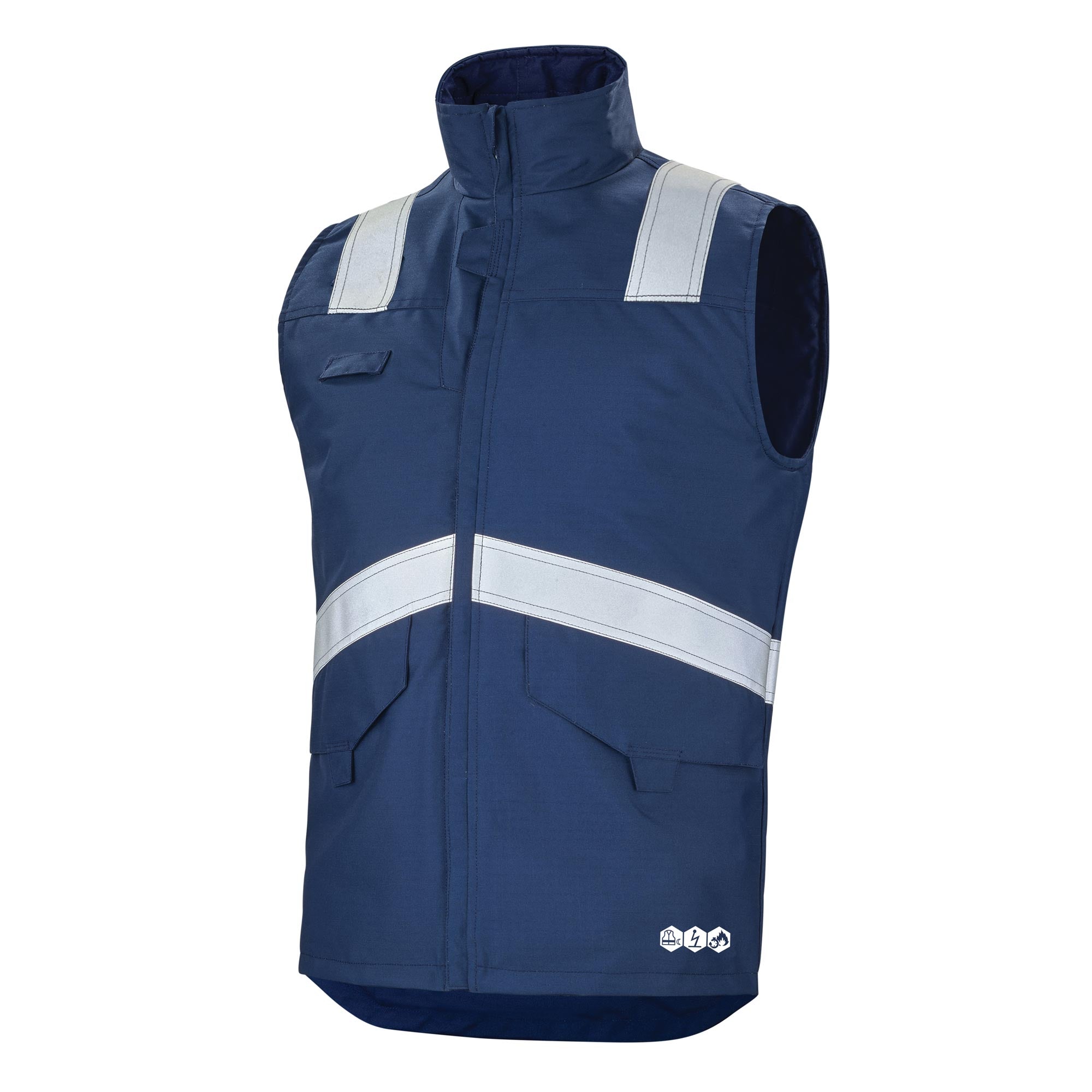
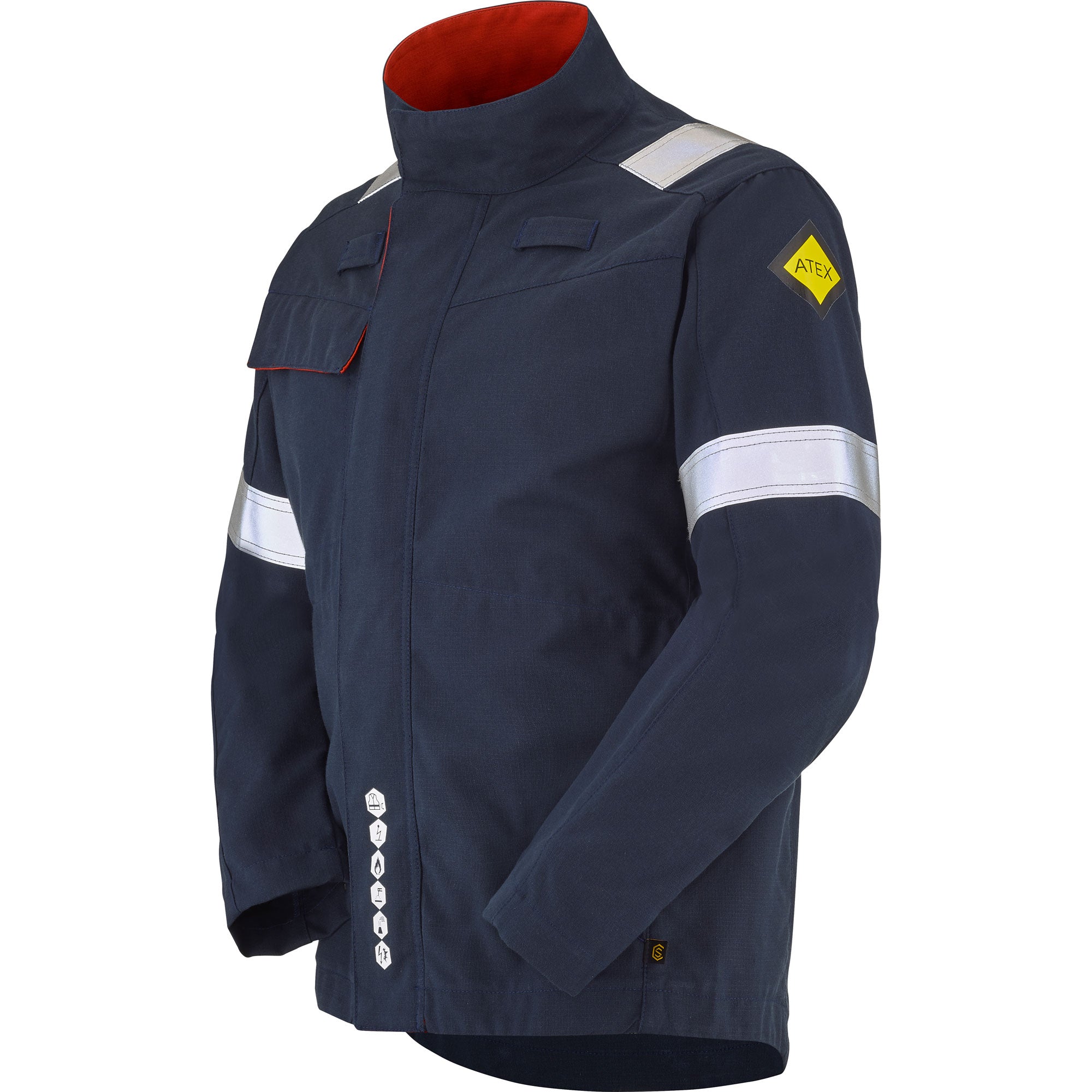
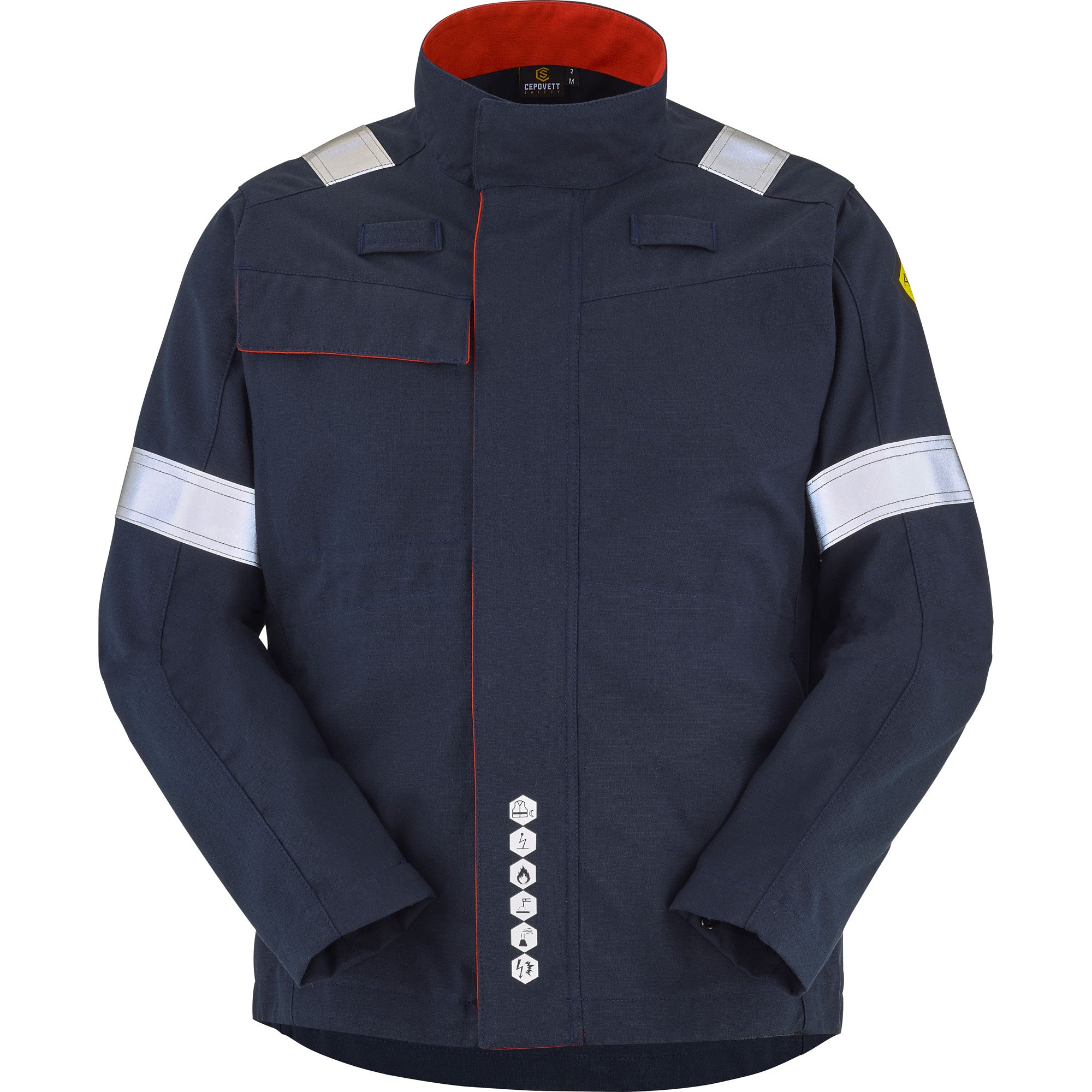
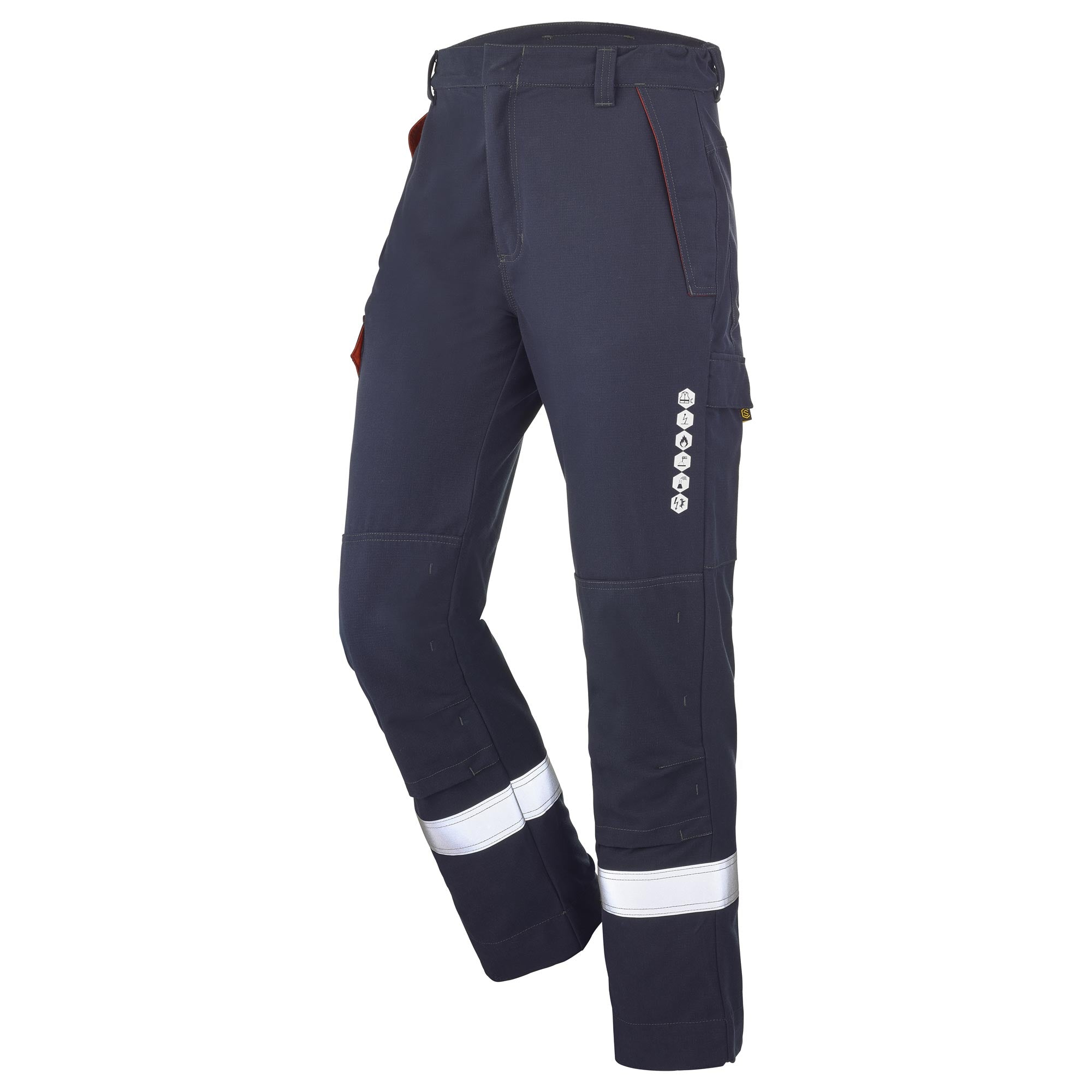
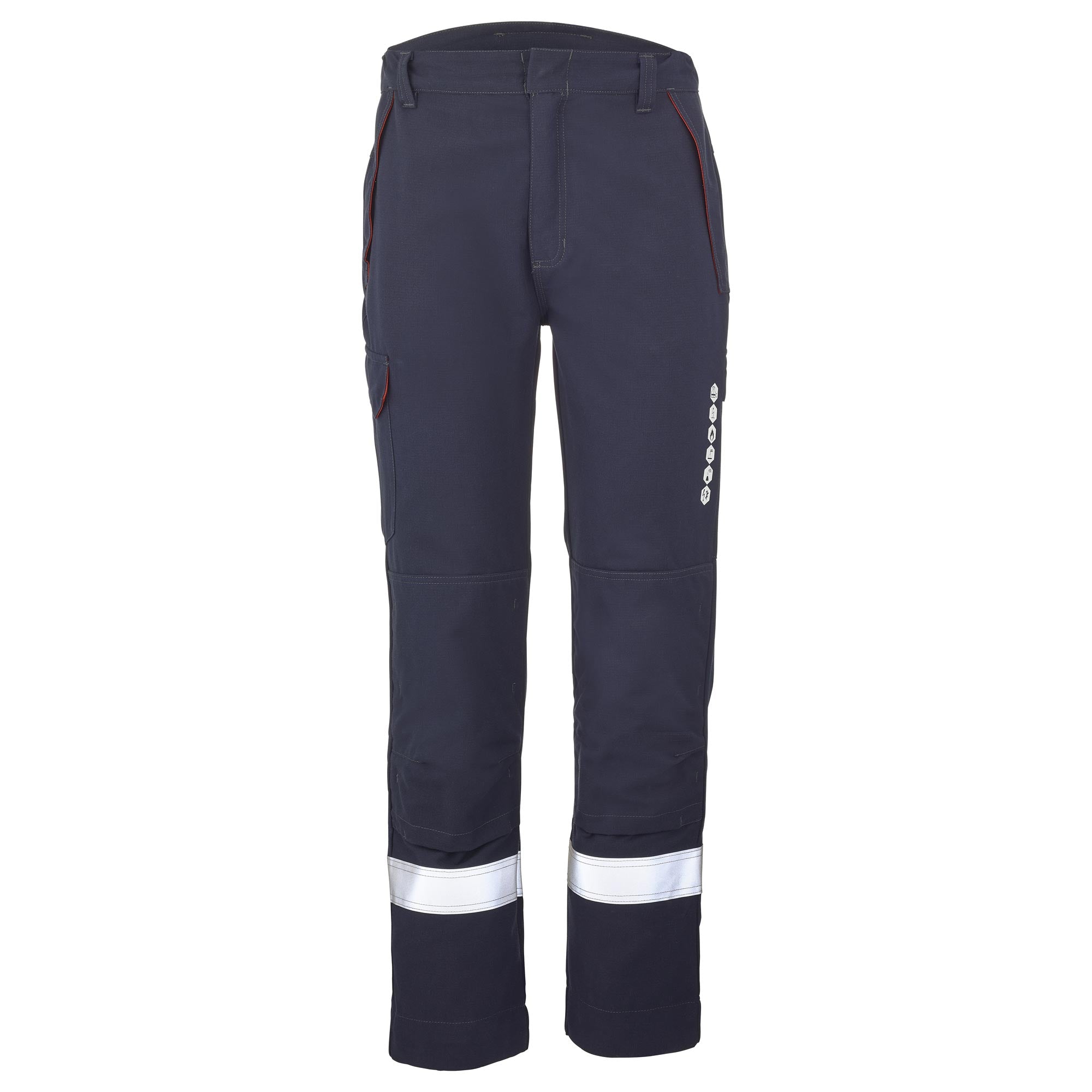
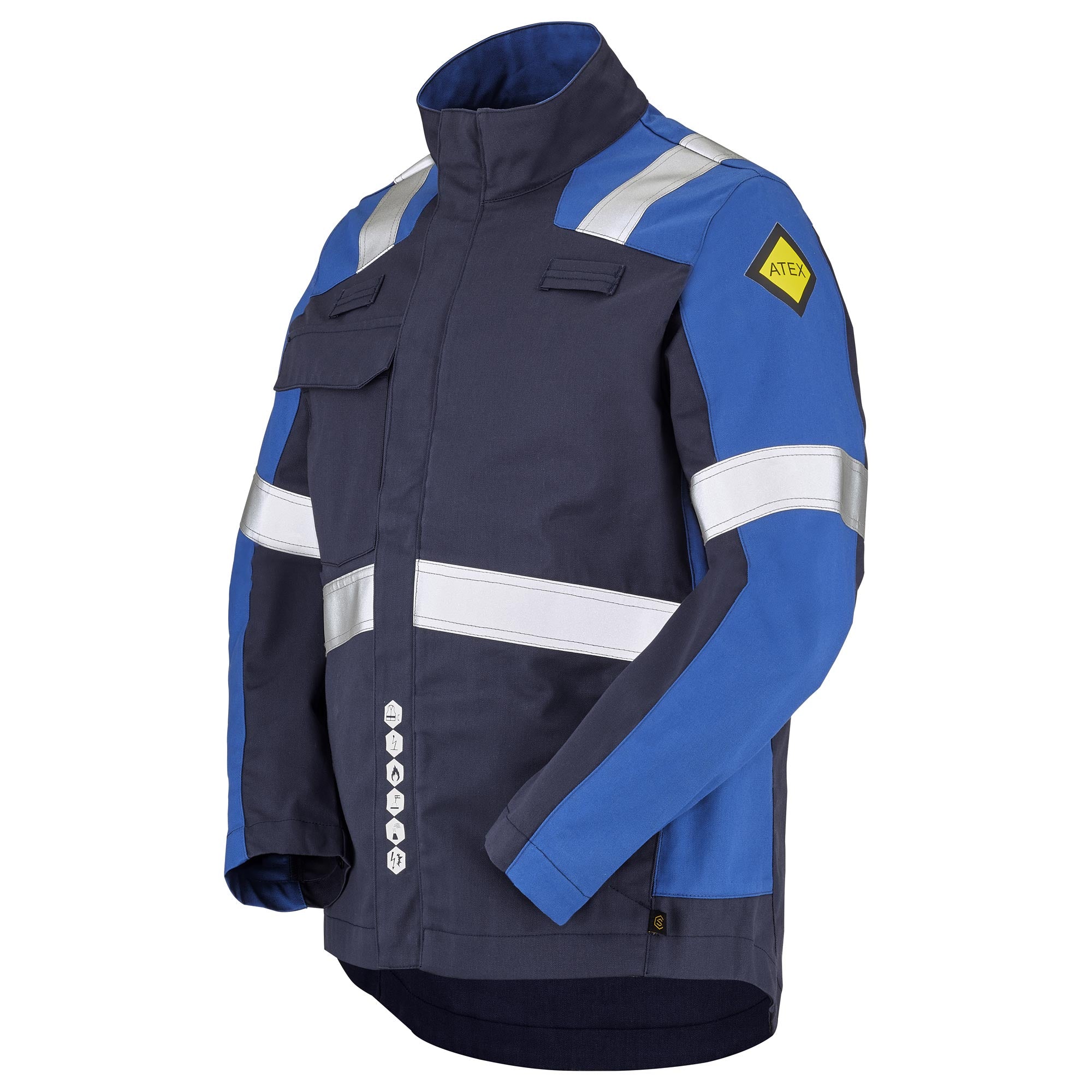
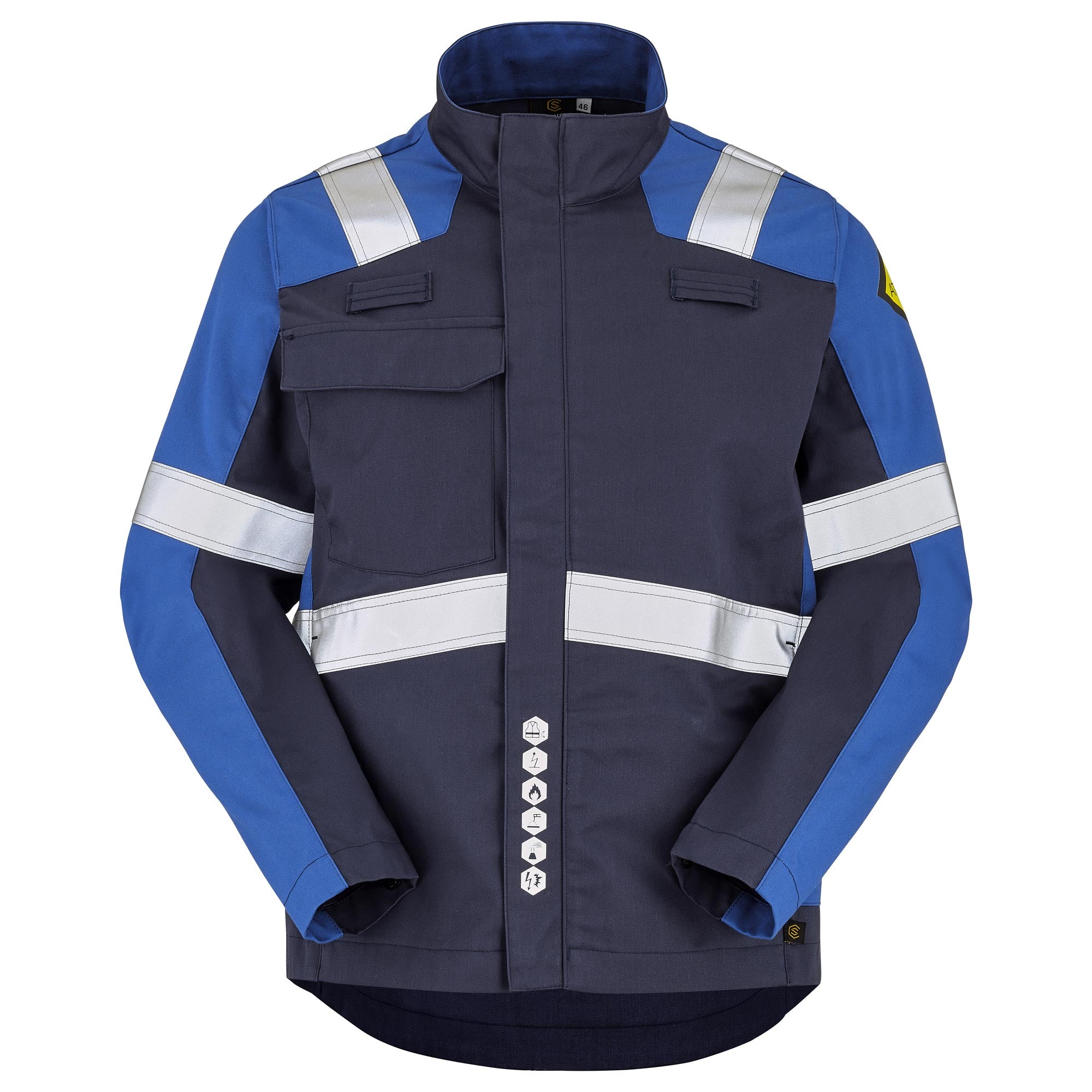
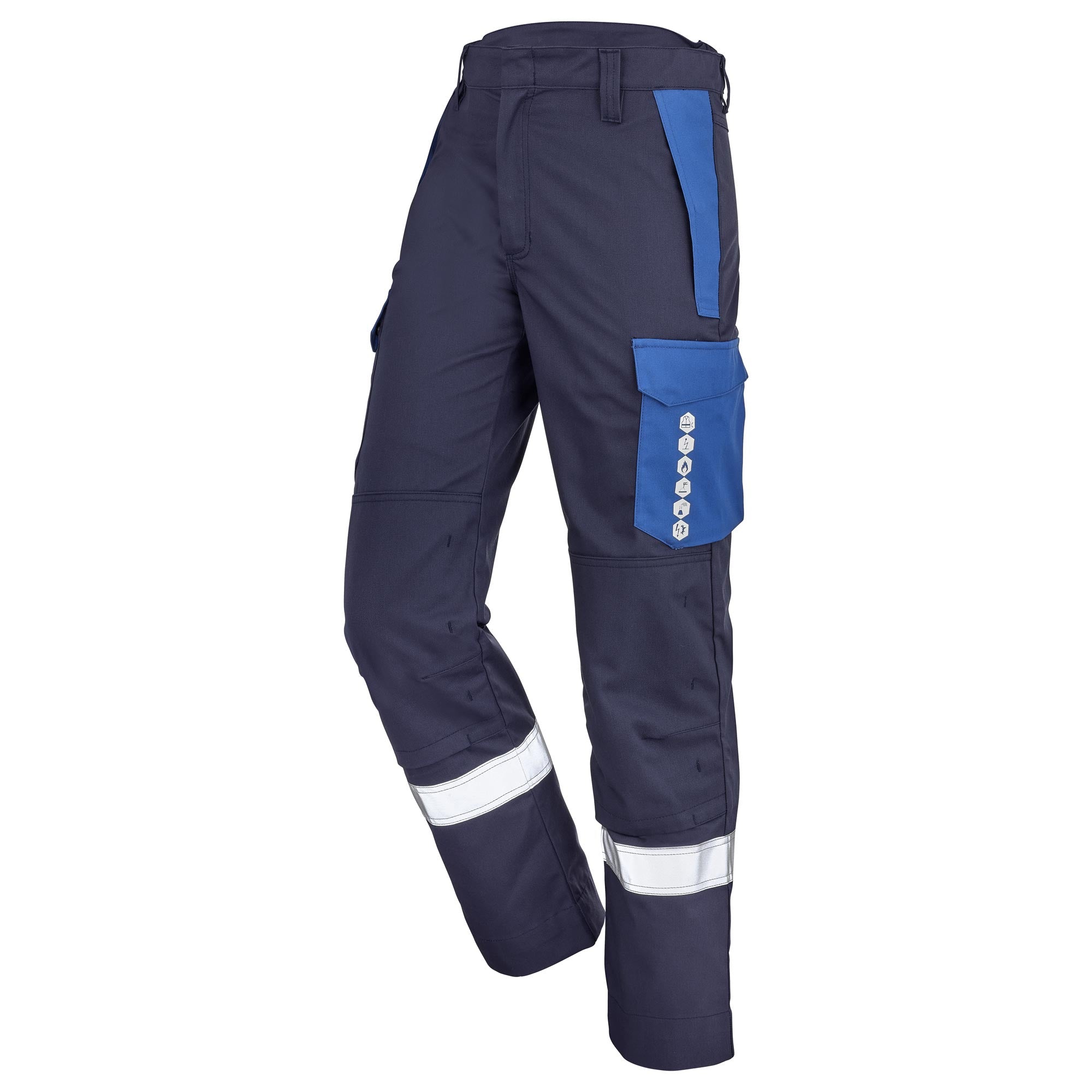
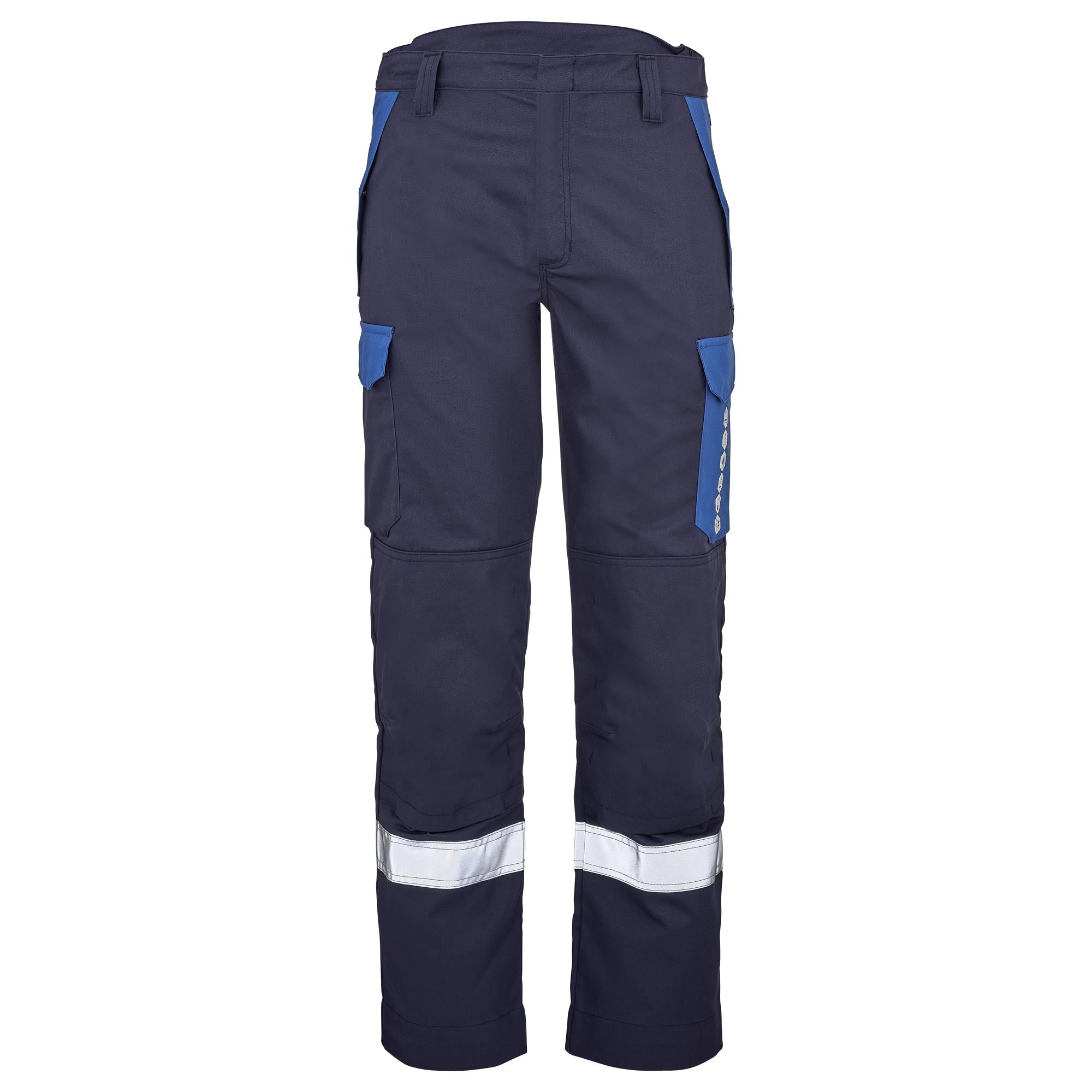
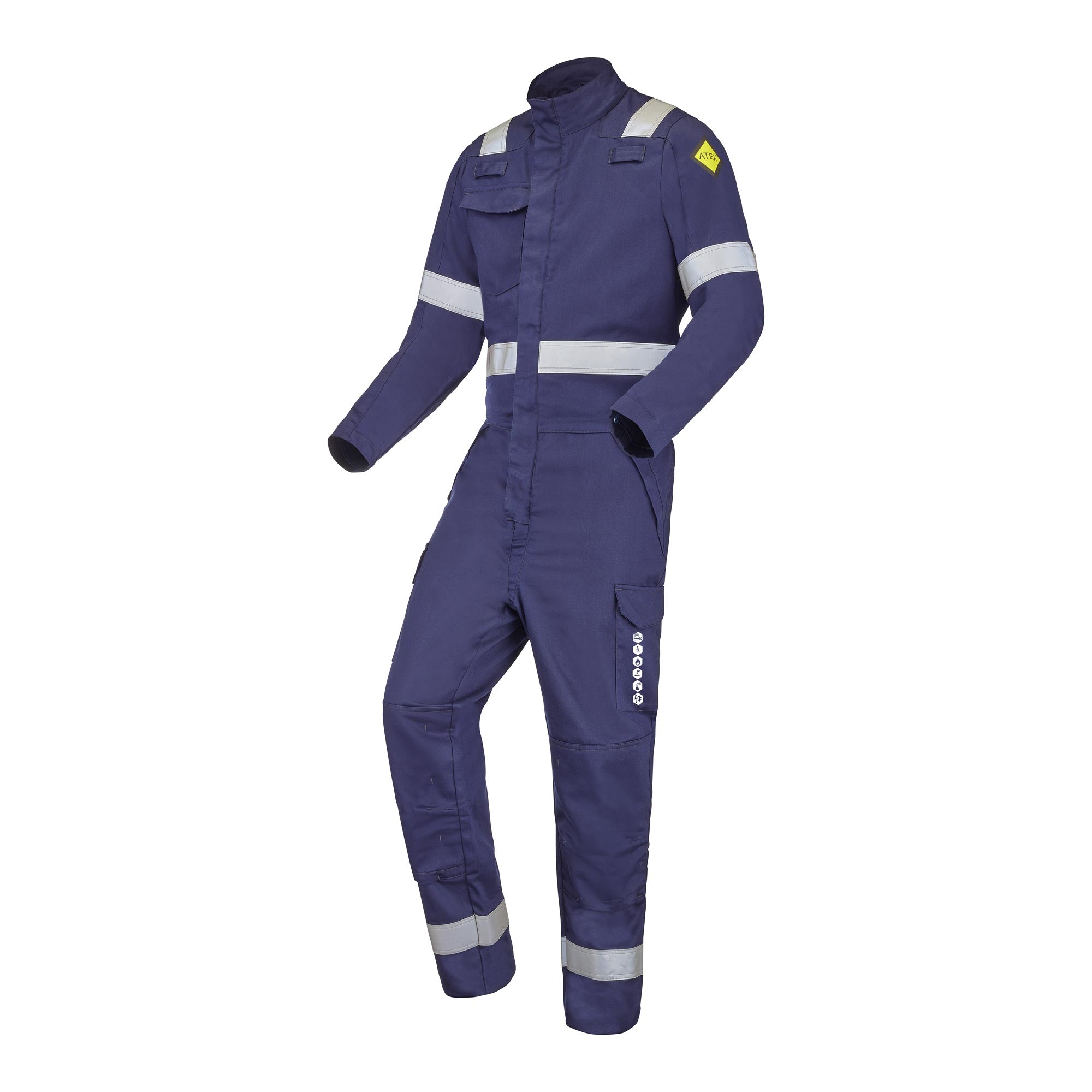
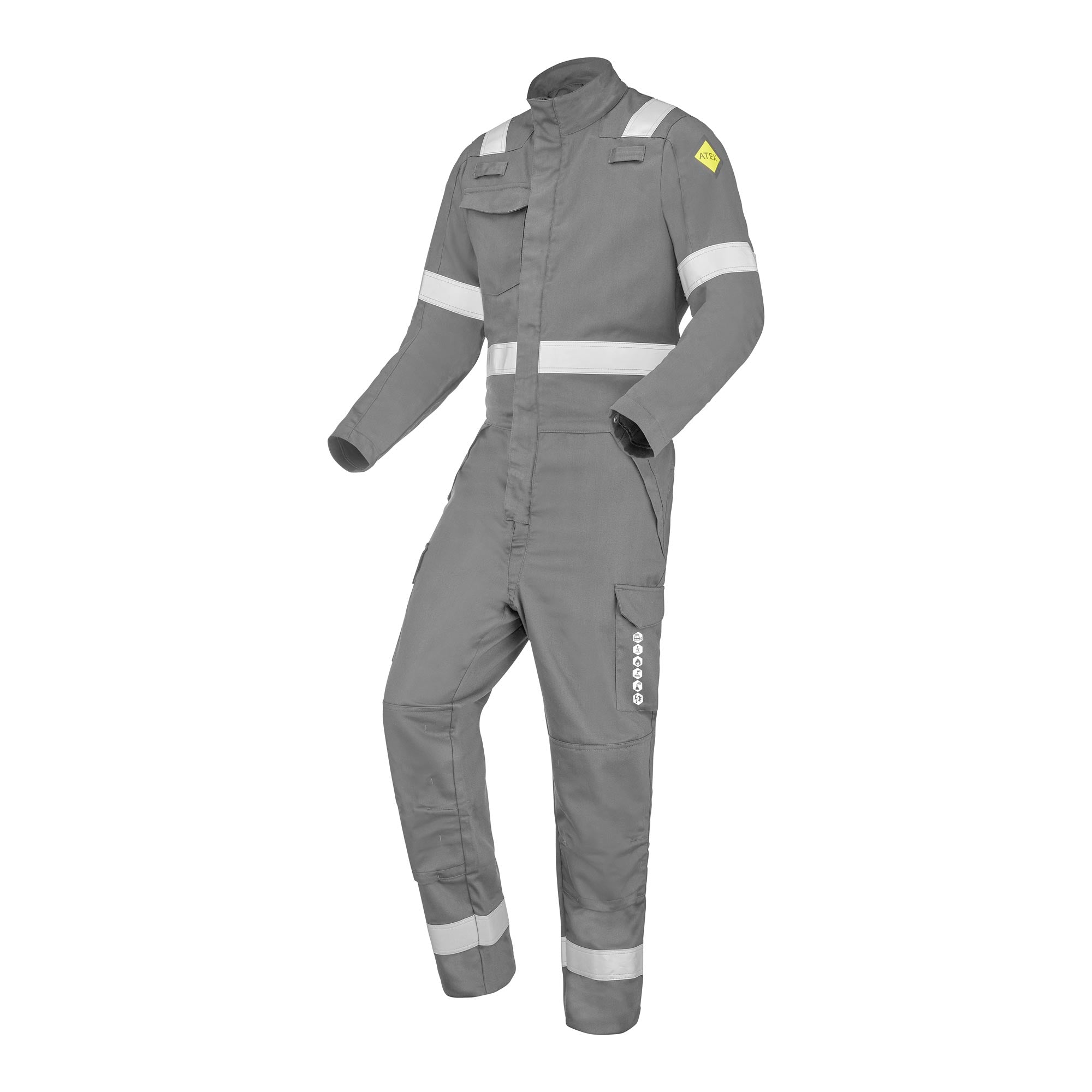
Retroreflective bands play a central role in the effectiveness of reflective safety workwear. Positioned at strategic points, they allow the wearer's silhouette to be identified even when in motion. Certified fluorescent fabrics increase daytime visibility by reinforcing visual contrast. Materials are designed to withstand industrial washing cycles without loss of performance. This durability ensures the garment remains compliant throughout its entire service life.
Resistance and Durability Suited to Professional Environments
PPE workwear intended for daily use must withstand significant mechanical stress. Abrasion-resistant fabrics extend the service life of the product. Reinforced stitching reduces the risk of tearing during repetitive movements. Materials are selected to endure the demands of challenging industrial environments. This robustness ensures a cost-effective investment for businesses.
How to Choose Your EN 17353 Clothing?
Selecting effective EN 17353 workwear requires a thorough analysis of the conditions of use. The choice depends as much on the level of risk as on climatic and ergonomic constraints. Appropriate equipment improves safety whilst optimising working comfort. This approach avoids selection errors and ensures lasting compliance. It also simplifies equipment management within the organisation.
Identifying the Required Risk Level and Type
The first step is to assess actual exposure to traffic or plant machinery movement. A role exclusively carried out during daylight hours may require a Type A garment, whilst a darker environment will call for Type B or AB. Internal company requirements or client specifications may also influence this choice. The assessment must take into account the frequency of exposure and the required visibility distance. This analysis enables the most appropriate solution to be selected with confidence.
Evaluating the Key Selection Criteria
Thermal comfort is a major criterion when selecting high visibility PPE. A breathable garment improves endurance, whilst a waterproof model provides protection from the elements. The cut must promote freedom of movement to avoid any restriction. Compatibility with helmets, harnesses, and gloves remains essential to maintain a coherent overall outfit. Resistance to repeated washing cycles ultimately guarantees the durability of the product.
Which Trades Require EN 17353 Clothing for Moderate-Risk Environments?
Professionals exposed to moderate visibility risks span a wide range of trades and industries. The logistics, industrial maintenance, and urban services sectors regularly use this type of protection. Local authorities also equip their operatives to ensure safe working during interventions. Technicians carrying out occasional outdoor work also benefit from this level of visibility. This diversity of applications demonstrates the broad relevance of the standard.
Industries Exposed to Visibility Risks
Professional environments where visibility remains essential are numerous. These include:
- Logistics and transport
- Industrial maintenance
- Local authorities and councils
- Urban technical services
- Occasional outdoor interventions
These settings frequently involve movement through zones shared with vehicles. Clothing-based signalling therefore becomes an indispensable element of risk prevention.
EN 17353 Clothing: A Targeted Solution for Moderate-Risk Environments
EN 17353 workwear is particularly well suited to areas where traffic exists but is not constant. Car parks, loading bays, and semi-open sites are prime examples. Temporary urban construction sites also require this type of equipment. Intermediate visibility offers a sound compromise between protection and comfort. It allows safety measures to be calibrated to the actual level of hazard present.
Cepovett Safety's Expertise in Certified High Visibility Workwear
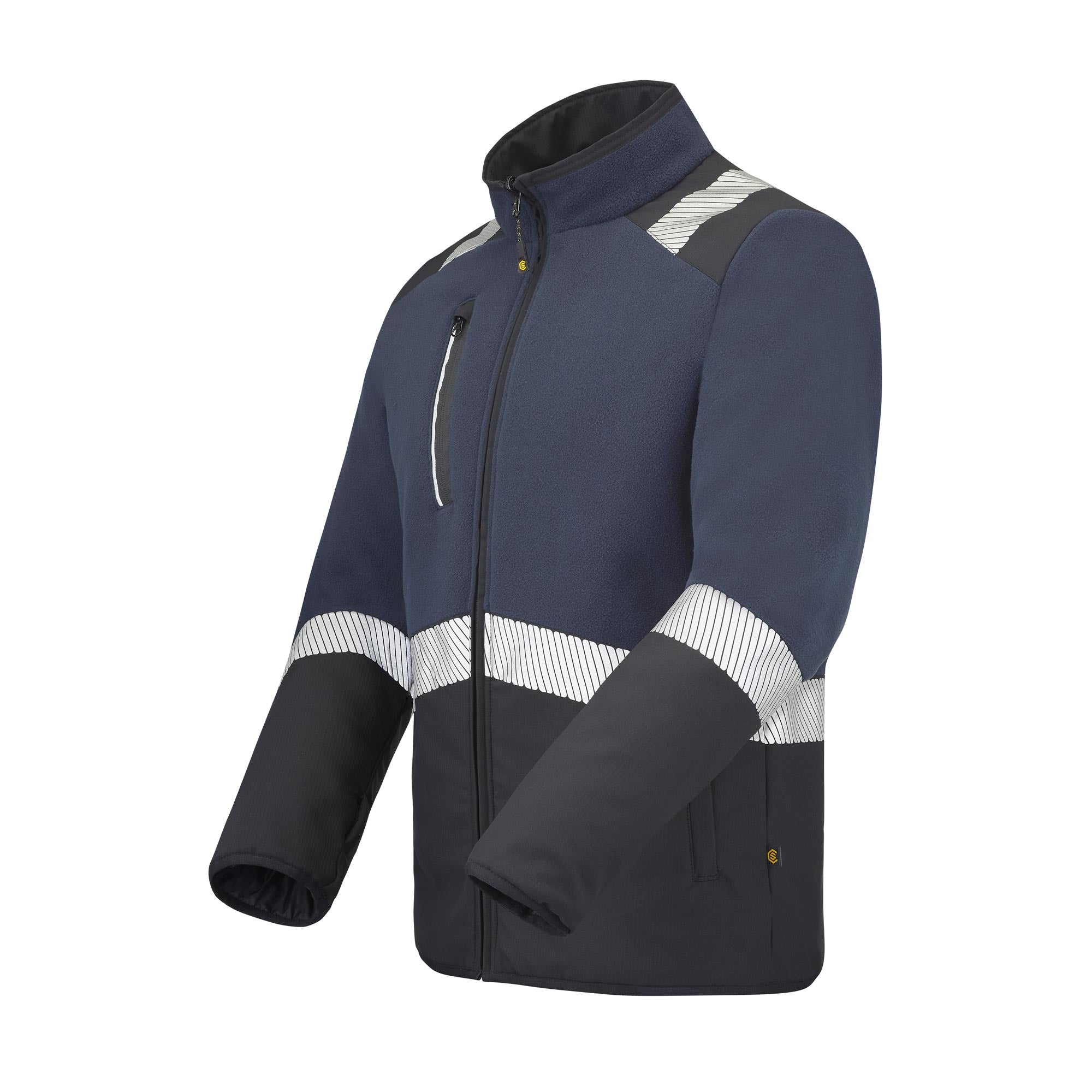
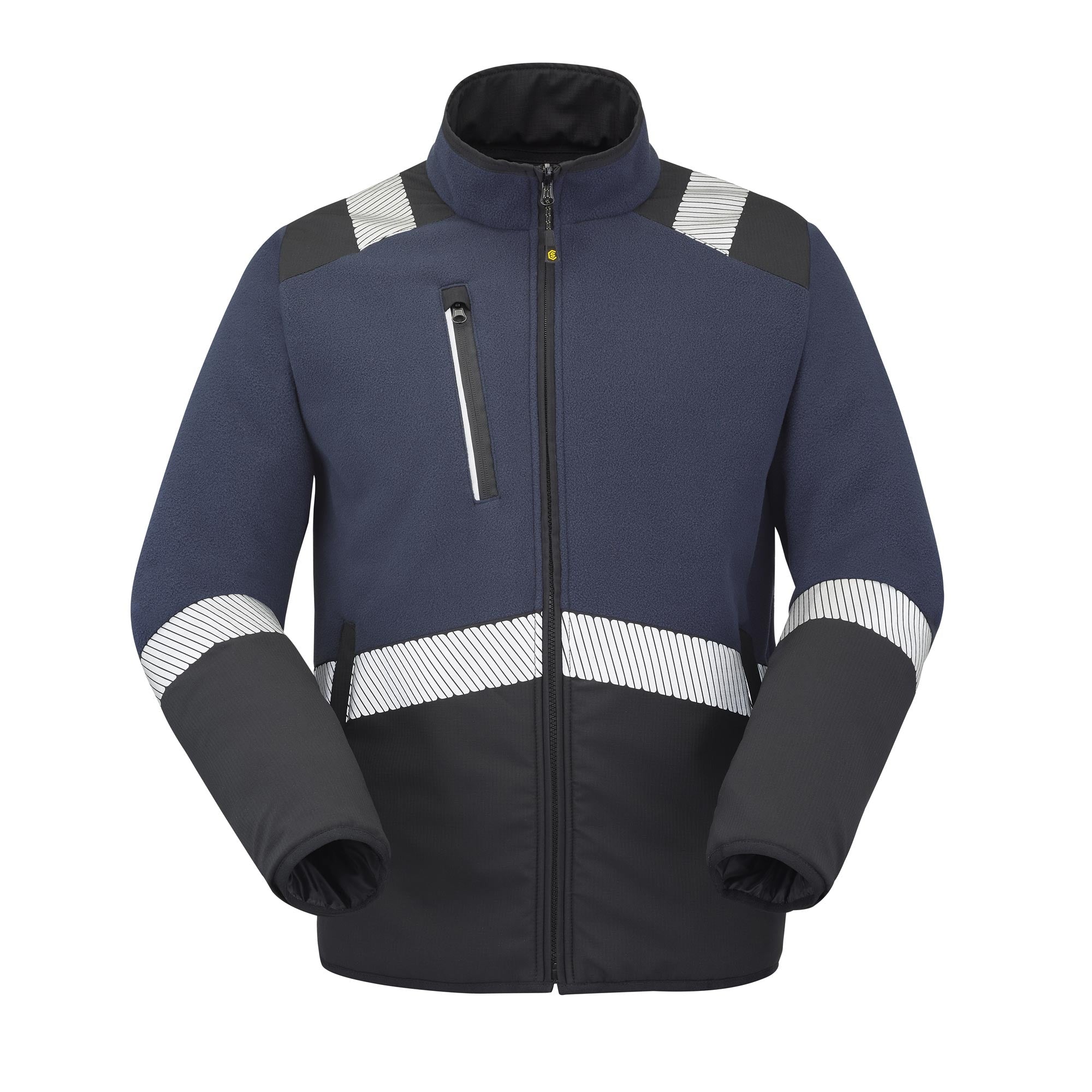
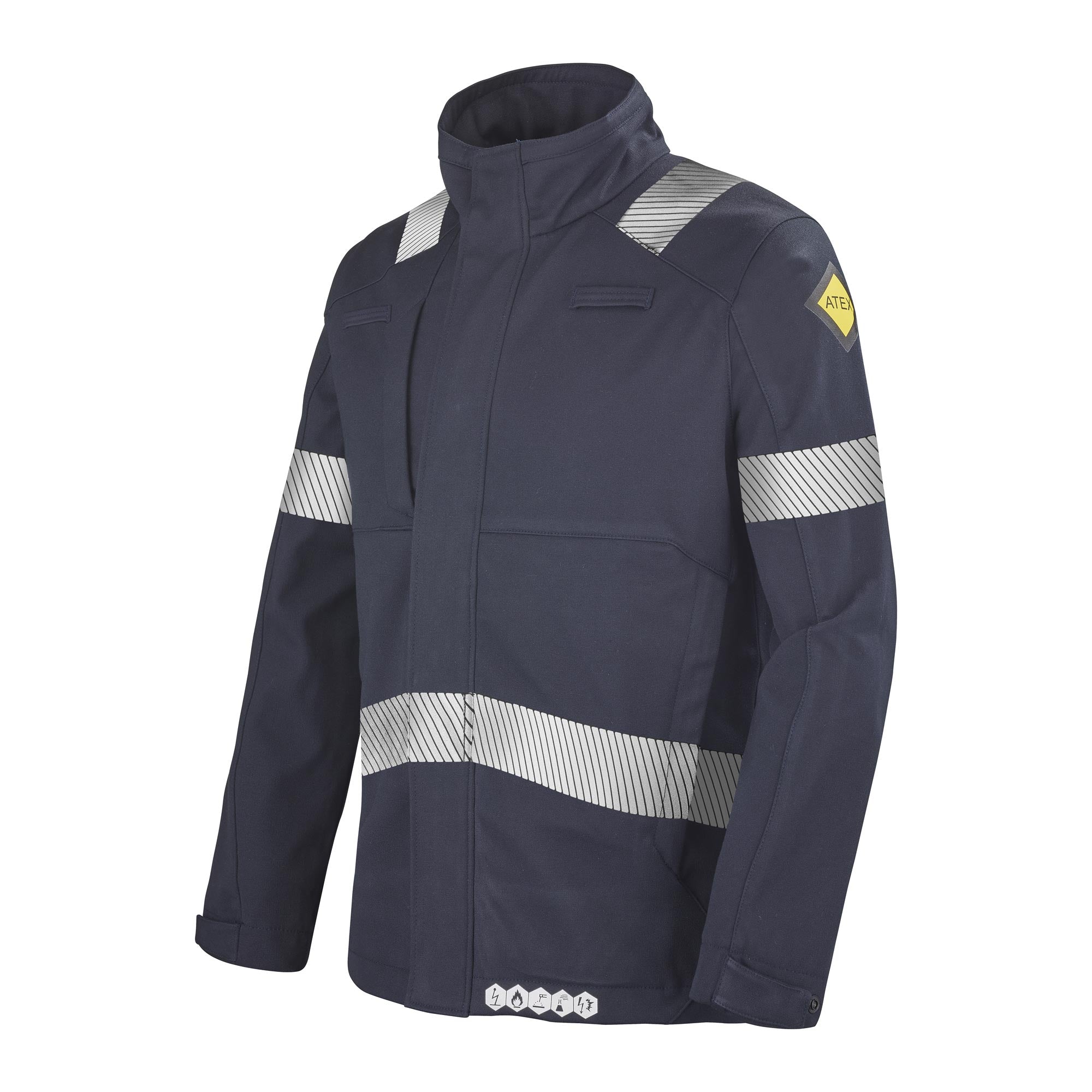
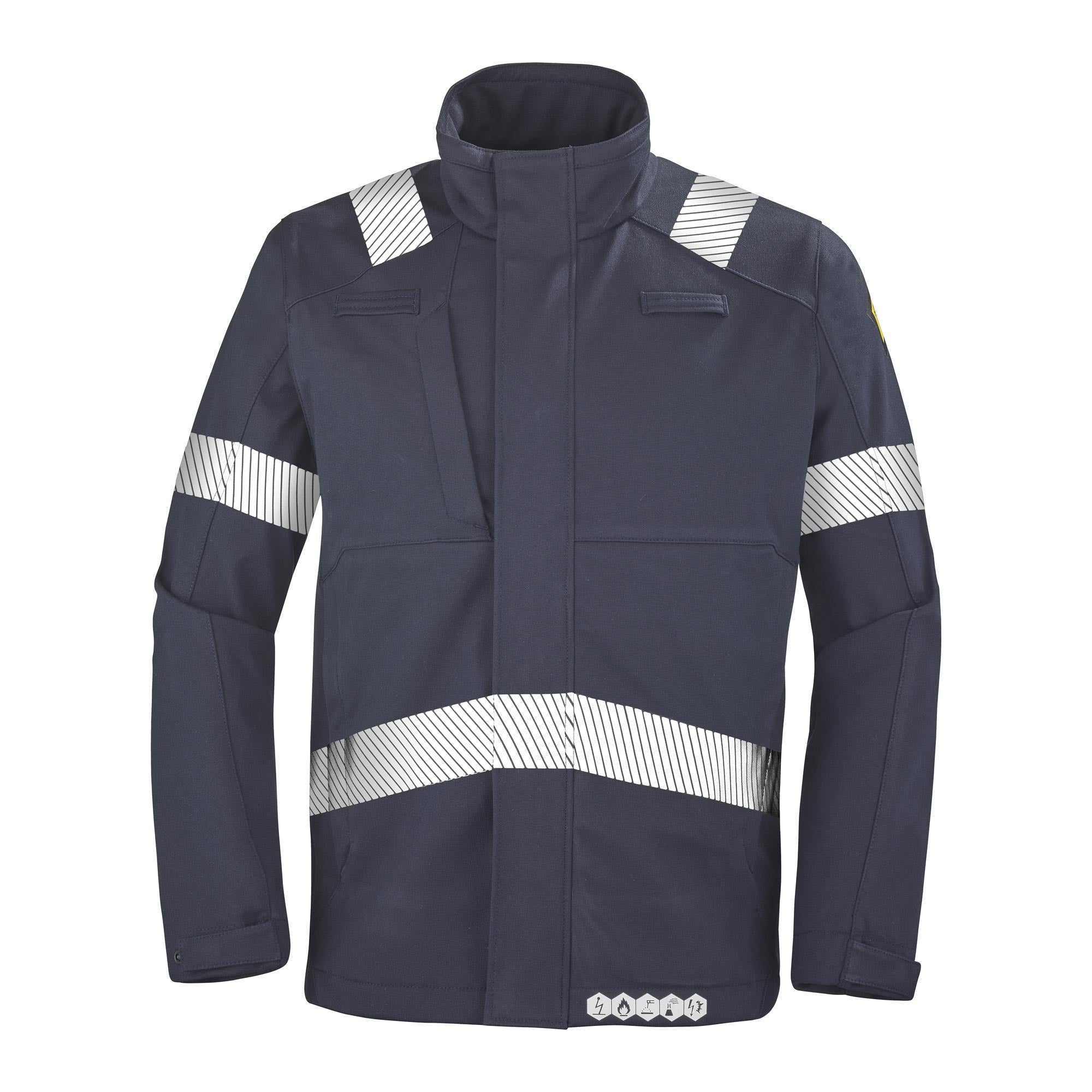
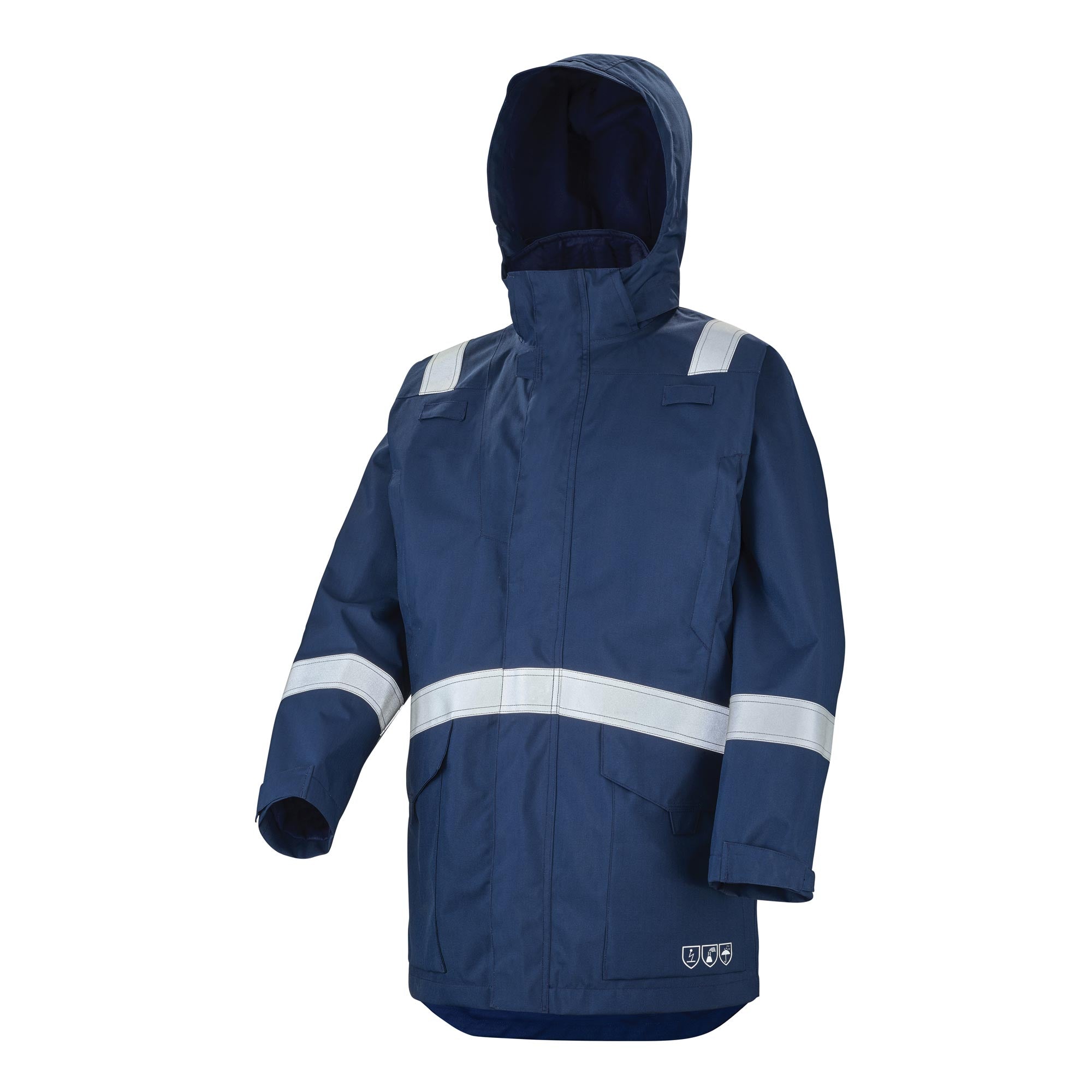
Choosing a specialist manufacturer guarantees a consistent level of quality compliant with current standards. Cepovett Safety develops its ranges by incorporating strict criteria for safety, durability, and ergonomics. Products are designed to withstand the real constraints encountered in the field. Manufacturing processes include rigorous quality checks at every stage. To view examples of suitable solutions, you can explore the Orso fleece, the Ully multi-risk parka, or the Papayo trousers, which illustrate different approaches to professional visibility.
A Recognised Manufacturer of PPE Workwear
As a specialist in professional workwear, Cepovett Safety has mastered the technical requirements associated with visibility standards. The company designs certified products tailored to real on-site constraints. It ensures full traceability of materials used and verifies their compliance at every stage. Its ranges cover a wide variety of trades and working environments. This expertise enables reliable solutions to be offered to professionals across all sectors.
A Reliable and Durable Range for Businesses
The collections include multiple sizes, cuts, and configurations to effectively equip all team members. Products are designed to withstand intensive use without loss of performance. Businesses therefore benefit from a durable and cost-effective investment. The consistency between individual pieces simplifies equipment management. This approach streamlines regulatory compliance across the entire organisation.
Care and Maintenance of Reflective Safety Workwear
Reflective workwear retains its properties only when properly maintained. The washing instructions provided by the manufacturer must be followed to preserve the fibre structure. Excessively high temperatures can alter fluorescent properties. Harsh cleaning products risk damaging retroreflective bands. Appropriate care significantly extends the service life of the garment.
Regular Compliance Checks
Periodic visual inspection allows any deterioration to be detected promptly. Reflective bands must remain bright and intact. Fading of the fabric is often a sign of reduced performance. Damaged garments must be replaced without delay. This vigilance guarantees ongoing regulatory compliance and the safety of all team members.